a minute ago
MPs approve the Health Insurance Bill in principle
Periskopi(3 months ago)
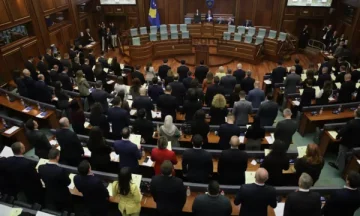
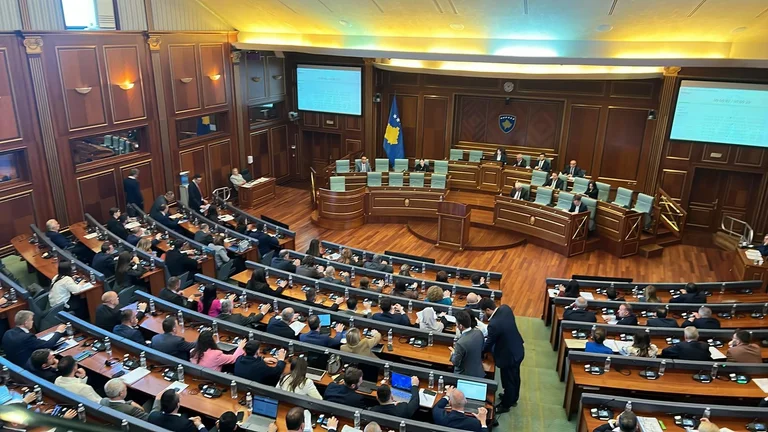
(3 months ago)Kosovo Assembly MPs have in principle adopted the Bill on Compent Health Care Security, as opposition parties demanded more government information concerning the payments and packages to be offered. The bill was adopted by 65 votes for, no against and no abstention. The second review of the bill will take place [...]
The bill was adopted by 65 votes for, no against and no abstention. The second review of the bill will take place on April 23rd.
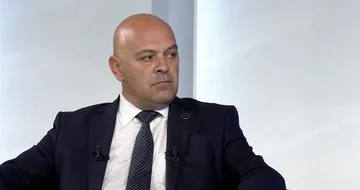
Health Minister Arben Vitita said the bill is aimed at universal coverage of health services and aims to improve health and well-being, but also to prevent various diseases.
“is an important step towards ensuring a stable and affordable health system for all citizens. With mandatory provision each citizen will have equal access to basic health services, significantly reducing the individual financial burden and ensuring equal treatment for all”, Vitita said.
He said this bill also provides stable funds for the health system.
This law establishes the mandatory health care Fund, including functioning, financing the Kosovo mandatory health care fund”, he said.
According to the minister, the bill is designed to present some methods of payment for health care services covered by mandatory insurance. However, he did not elaborate on the packages to be offered or the tariffs to be set for them.
“Scem of covering of extraspital drugs has been identified as the best alternative for this additional service and added value”, Vitita said.
According to him, the bill is based on the principle of equality and there will be no difference in access to health services among persons who through contributions have health insurance, or their family dependent on this service, or the part of the population that the state provides, adding that vulnerable groups will be excluded from contributions.
During the debate, MPs from opposition parties noted there is much uncertainty about the law.
The LDK said the law envisions employers paying 3.5 per cent, while 3.5 per cent will be paid by the worker. Hykmete Bajrami said pensioners will also pay 3.5 per cent of their contributions from their pensions.
The LDK, as well as the largest opposition party, the Democratic Party of Kosovo, and the Alliance for the Future of Kosovo, supported the law in principle, saying their contributions to this law would give between two readings.
Artan Behrami from the PDK said the law is vital for citizens.
“In principle we are for this law and between two readings, we will bring a contribution to make the law better and easier to implement”, he said.
Armend Zemaj from the LDK said the law is envisioned to take effect five years from approval, arguing that citizens have only lost years of lack of health insurance.
Meanwhile, MP Daut Haradinaj said they support the law, but expects from Vitja to clarify who and how much will pay, will categories derived from war, survivors of sexual violence and vulnerable categories be exempted from payment.
The Law on Obligable Health Care Insurance was overturned by the Constitutional Court in January, after it found that this law had been adopted unconstitutionally.
The court said in the January decision that the Parliament approved it on December 5, 2024, committing procedural violations during the lawmakers' process.
This is a 10-year effort to bring mandatory health insurance to the country.
The lack of mandatory health insurance is believed to have damaged all citizens of Kosovo, especially poor social levels and vulnerable groups, such as pensioners and social cases.
Currently, services in public health institutions in Kosovo are offered free of charge only for specific categories, such as children, pensioners or social cases, while others are worth co-paid for health care.
Its amount ranges from 1 to hundreds of euros, depending on the service that the patient receives.
For treatment not realized in public institutions, the responsibility of covering costs is to have the Health Insurance Fund, which is managed by the Health Ministry. But bureaucratic procedures, until patients receive the necessary means, last for weeks and sometimes for months.
Hence, many citizens are forced to afford the expenses of either private or abroad.
Health insurance has only those who receive it from private companies.