22 minutes ago
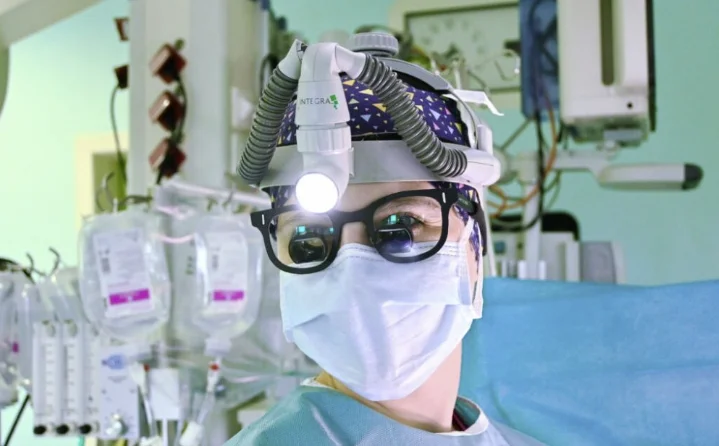
Dr. Simona Patcheva ão female cardiology in Macedonia, part of Clinical team Jean Mitrev
Periskopi(3 years ago)
(3 years ago)Dr. Simone Patcheva, who is only 30 years old, is changing reality to cardiosurgeology and access to the treatment of patients in Macedonia. As part of Clinical team Jean Mitrev, she became the first female doctor in Macedonia to specialize in cardiosurgeon and is the leader of the new generation of cardiosurgeons with training and [...]
Dr. Simone Patcheva, who is only 30 years old, is changing reality to cardiosurgeology and access to the treatment of patients in Macedonia. As part of Clinical team Jean Mitrev, she became the first female doctor in Macedonia to specialize in cardiosurgeon and is the leader of the new generation of cardiosurgeons with training and knowledge in modern technology that applies to saving lives.
You are the first female doctor in Macedonia specialising in cardiosurgeology, as you decided to specialise in this field. What does cardiosurgeology mean to you?
Since high school, I have been interested in medicine, especially the heart as a organ, and the cardiovascular system has attracted me very carefully. For me, the heart has always been a center of interest, in part philosophically, the center that controls emotions, the character of one person, the determination whether one person will be good or not, and certainly the key player of the entire organism that dictates the rhythm of the rest of the organs. Although I secretly imagined and wanted to be cardiosurgeon, even then I was aware that it is a more difficult, even more difficult way for a woman because it is considered a branch of medicine that is treated by a male profession and is worth a success that is achieved only by the most courageous and patient.
Since then Dr. Mitrev was my idol, I regularly read the magazine then “I began to take an interest in the path of a cardiosurgeon. I had the opportunity to meet with Dr. Mitrevin and told him about my ambition and desire to specialize in cardiosurgeon, and he told me that <x2...
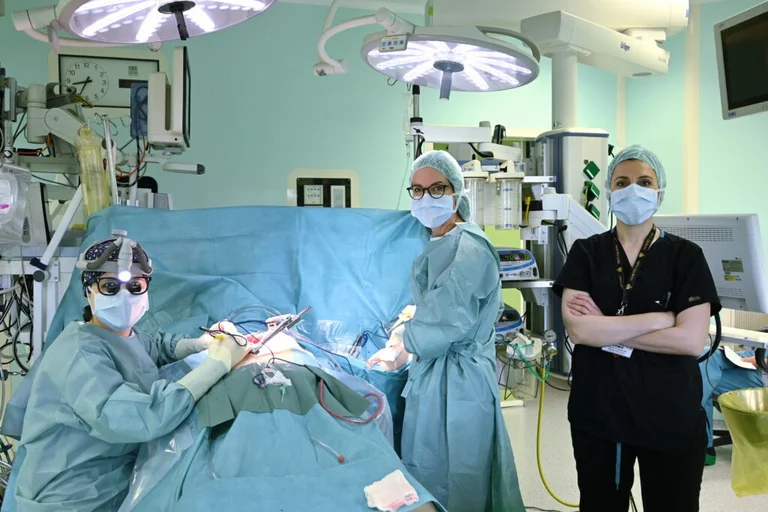
You started your career at the Jean Mitrev Clinic, what are the possibilities for development, growth and professional advancement in that environment?
After completing the Faculty of Medicine in Skopje, I immediately enrolled for doctoral studies at the Ljubljana Medical School. I completed my studies as one of my generation's top 10 students, with a high grade, so I started my doctorate at 26. I remember that while I was there, a competition opened at the Jean Mitrev Clinic in which I certainly applied.
Just a few months later when I returned to Macedonia, we assigned an interview after which I was hired, so this is my first job. When I was asked which field I would specialize in, the answer was in the field of cardiology. I didn't have the courage to say in cardiosurgy. In a completely Spanish way as part of the tour of the operating room, Dr. Mitrev, who always wants us all to try to find ourselves where our work is most appropriate, gave me the opportunity to stay in cardiosurgeon.
What do you think is more important in the approach and treatment of the sick?
The most important thing is sensitivity, humanity, putting yourself in the place of someone who has a problem, asking yourself how you would know if it was about someone close to you. Only then can maximum attention be given, putting 100% of the patient's needs first at that time.
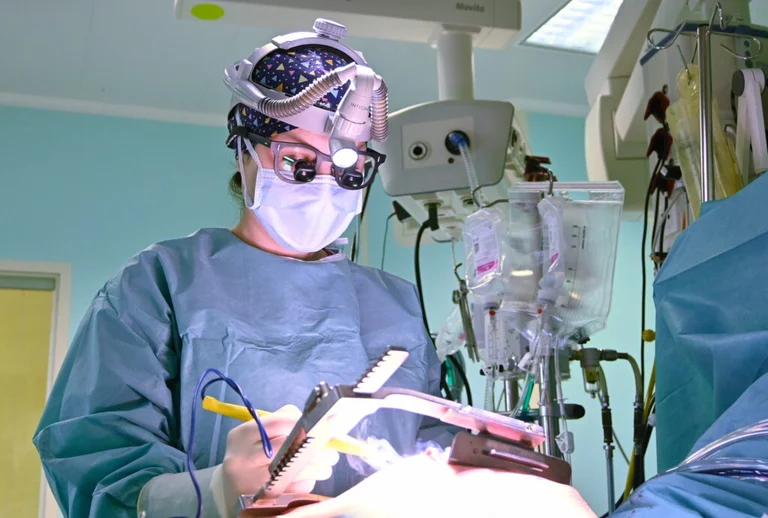
As sole representatives from Macedonia, along with your colleague, you were part of the team that tested the virtual reality simulation in Holland. What does this represent, and what innovation does it bring to the treatment of heart sufferers?
Technology, as in other areas of life, will alleviate much in medicine as well. Virtual reality is just one example of how we young surgeons can be used in training and improving routine development. The designer aims to educate cardiosurgeons, especially involving and excluding patients from extracorporal circulation, as well as cardiopulmonary response to heart surgery.
The simulation itself is made up of VR (virtual reality) glasses linked to sticks held in the hands, and special monitor software broadcasts the movements of the course in the body of the virtual patient. The application of the VR simulation for the learning and training of new cardiosurgeons has several priorities, above all, in concrete education.
It is a good feeling to have the opportunity to participate in the development of this tool with ideas and suggestions and actively as part of the team to finally come up with a finished product that we hope will be accepted by the European Association for Cardio-toracal Surgery and become part of regular cardiosurgeon training. Because of great opportunities to learn and this way of education and training, this designer is expected to find a wide distribution worldwide in the coming years.
How important is monitoring modern technology in medical access and what is your experience gained at the Jean Mitrev clinic?
Fortunately, Clinic Jean Mitrev follows the world trends, technology is widely used. A rare hospital where everything is digitized, all data is electronic, for us as a generation growing up with computers is really easy and practical for a tablet to open for us. The patient's epicrysis and compare the labs through software - producing graphics automatically without having to fill out the therapy lists as still being done in other countries. Coronary scans, X-rays open with one click. It's good there's a lot of control points and the possibility of error is significantly reduced.
What are the opportunities for advancing new interns in Macedonia, what is needed not to leave and stay working in the country?
There is room for progress in Macedonia as well, but much work is needed. As a student, I had the opportunity to feel what it's like to live and work in other systems. Indeed, nurses and young doctors there are fortunate, have great opportunities, have been relieved of great care because the state cares for them, their only task is to study, be in charge, and care for patients.
Many administrative issues remain with us, financial concerns, employment problems if we are dealing with private specialists. The advantage of being in a private clinic is big for me, I feel safe, I work in a system where I can and work is rewarded, the more you invest, the more you get. I'm happy to have the opportunity to learn from the best cardiosurgeon, and that's the biggest motivation for me to do my best. Because I know that one day I'm going to work independently and there's no room for mistakes or improvises or dilemmas whether you work properly or not.
Does what happens in your work affect the charges against the clinic? How do you feel about this pressure as medical personnel?
We have had a very stressful time, and it is certainly not easy to hear such accusations. Each of us felt in part like a personal attack. We're a team, we've worked hard during the period of Ovidius, we've even had 12 24-hour denture tours in a month, it's been many hours giving up our personal life to help and save as many people as possible. It is not a pleasant feeling to hear that the work is not only unappreciated but also more severe. However, I feel that our work keeps us busy, we work hard all the time, so we don't have much time to devote to side comments.