26 minutes ago
Djukanovic: Serbia to rule in Kosovo, Montenegro, like Russia in its region
Periskopi(3 years ago)
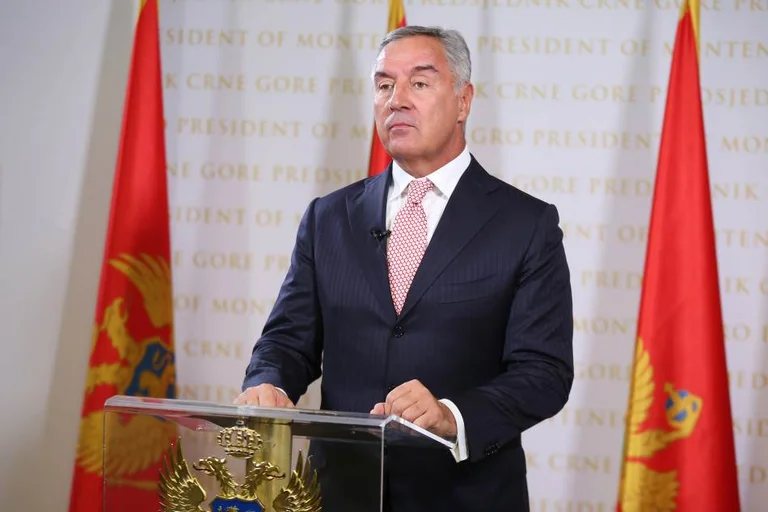
(3 years ago)Serbia is trying to do in our region what Russia is doing in its region, said Montenegrin President Milo Djukanovic, who was a guest of the United States Institute for Peace. The Russian aggression against Ukraine has very strong reflections on the Western Balkan area, and its impact [...]
The Russian aggression against Ukraine has very strong reflections on the Western Balkans area, and its most drastic influence in the Balkans, according to Djukanovic, has occurred in Montenegro during the 2016 parliamentary elections, reports the CMS portal.
He said Russia later tried to replace the government in Montenegro with a coup and stop Montenegro's NATO membership, but the country managed to resist.
In the Western Balkans, Djukanovic believes, “we have a clear copy of what Russia wants to do in its” region.
In the Balkans, we have an attempt to create a Serbian “world”, modelled after the Russian “bot”. “Russia is trying to examine the history of the countries of its region to achieve the dominance and influence of the Soviet Union, and Serbia is trying to do the same in its region”, Djukanovqi said.
According to him, these are retrograde policies that do not want to govern their countries, but their nations.
Serbia is trying to rule and ask in Montenegro, Bosnia and Herzegovina, Kosovo and northern Macedonia, and this policy, unfortunately, is not yet receiving an adequate response from our partners from the West”, Djukanovqi said.
Speaking of presidential elections and possible Russian influence on them, Djukanovi says he would like to confirm that Russia is not interfering, but says “is simply an illusion”.
“Russian world is the same as Serbian. Russian politics in their region is equal to Serbian politics in our region, and the most important instruments of both policies are the Orthodox Church. Both the Serbian and Russian churches today are insignificant religious organisations, are absolutely political organisations”, the Montenegrin president said.
He says he regrets, that for all his “warning in time since 2016, there has been no response from some of the Western addresses”.