21 minutes ago
Serbs don't report cases with coronary to Kosovo institutions
Periskopi(6 years ago)
(6 years ago)Health institutions in Kosovo are failing to monitor cases and the state of persons infected with COVID 19 disease, which is caused by the new choreography, in predominantly Serb municipalities and facilities. Local authorities operating in Serb majority municipalities are not informing Pristina of positive cases with Coronavirus. [...]
Local authorities operating in Serb majority municipalities are not informing Pristina of positive cases with Coronavirus.
So far, in these areas, there have been three cases of COVID-19, which have reported local institutions, two in northern Kosovo, in northern Mitrovica and Leposaviq, and one in the municipality of Gracanica near Pristina. All three cases were reported not in Kosovo, but in institutions in Serbia.
The Institute of Virology, Vaccines and Serums, “Torlak” in Belgrade analyses samples from Serbian facilities in Kosovo. Health institutions in the majority Serb municipalities in Kosovo operate within Serbia's health system. Those infected by these areas have been transferred for treatment in Nis, Serbia. This has happened at the recommendation of Serbia's Health Ministry.
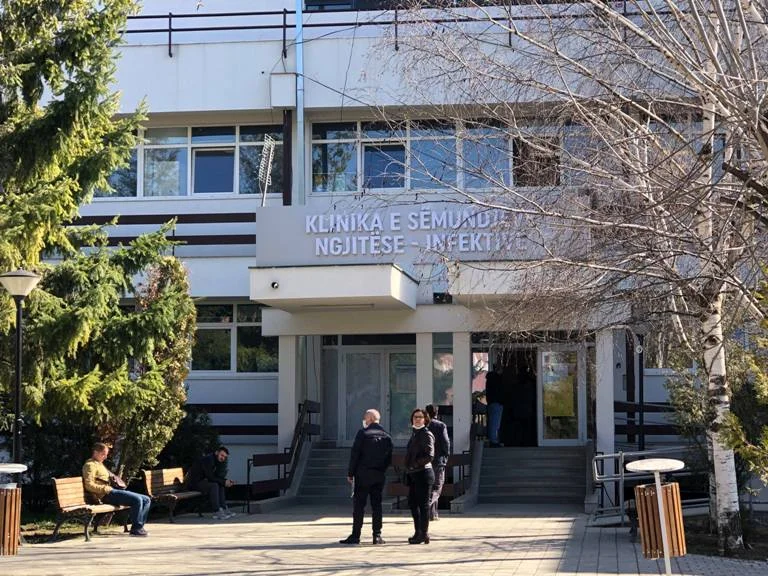
Health Ministry officials in Kosovo, meanwhile, claim the Infectious Clinic cares for all patients in the country despite ethnic affiliation. However, they have made it known to Radio Free Europe that no member from the Serb community has been reported in clinics.
“So far is no case with COVID-19 reported by health institutions in areas inhabited by the Serbian community, even though under the Law on Prevention and Combating Contagion, they are obliged to report to the National Institute of Public Health - IKSHPK”, says the health ministry's response.
All the positive cases, I The KSHPK is testing their contacts after a certain period of time, but in the absence of data and reporting so far, there has been no requirement for testing in areas inhabited by the Serb community and, in the absence of information, ” tests have been made, the Kosovo Government's Health Minister notes.
The Law on Prevention of Infectious Diseases says that “surveillance and reporting of infectious diseases is the legal obligation of all levels of Kosovo's health care system, ranging from family medicine products to the digestive level”.
At the Kosovo National Institute of Public Health say that data for cases of contact with COVIID-19 in Serb-run residential municipalities will be included in Kosovo's official figures when municipal authorities in these municipalities will report these cases to the Ministry of Health of the Republic of Kosovo or to the National Public Health Institute.
North Mitrovica Hospital Centre Director Milan Ivanovic had declared days earlier for Radio Free Europe that there is no direct communication and no contact with the Kosovo health system.
Meanwhile, at a press conference in northern Mitrovica on Sunday, he said that the first cases were the result of “people's non-compatibility” to this disease, which, according to him, were the result of a mass meeting in the early”.
Epidemiologist Aleksandar Antonievic, at the same conference, has said all measures have been taken to prevent spread and that first and second line contacts and contact with all those in direct contact with patients have been taken.
This registered number could increase day after we're investigating all those contacts and we have a lot of”, Antonijevic said.
According to him, a positive person with COVID-19 from Serbia's Kraguyevci has come in touch with the two cases in northern Kosovo, which have been at the same event.
On the other hand, in response to the Ministry of Health of the Republic of Kosovo it is said that <x0->endures for COVID-19 are made for all citizens of the Republic of Kosovo who meet the criteria for testing, according to the protocol meaning that they have come from affected countries or have been in touch with confirmed and suspicious cases.
Unlike the 08th to February 29th, the Monetary Microbiology laboratory at the National Institute of Public Health in Kosovo has tested 1082 suspicious cases, of which 94 have resulted positive, while one person has lost his life.