2 minutes ago
12th anniversary of Independence: Kosovo's biggest achievements as state
Periskopi(6 years ago)
(6 years ago)Kosovo today celebrates the 12th anniversary of Kosovo's declaration of Independence under the darkness of many unclear political processes, and in light of major achievements that were marked. February 17, 2008, was freezing. But wicked weather did not affect the collective mood, as is common. No one complained [...]
February 17, 2008, was freezing. But wicked weather did not affect the collective mood, as is common. No one complained or spoiled the issue of snow and cold. Everyone's hearts were filled with pride and love for each other.
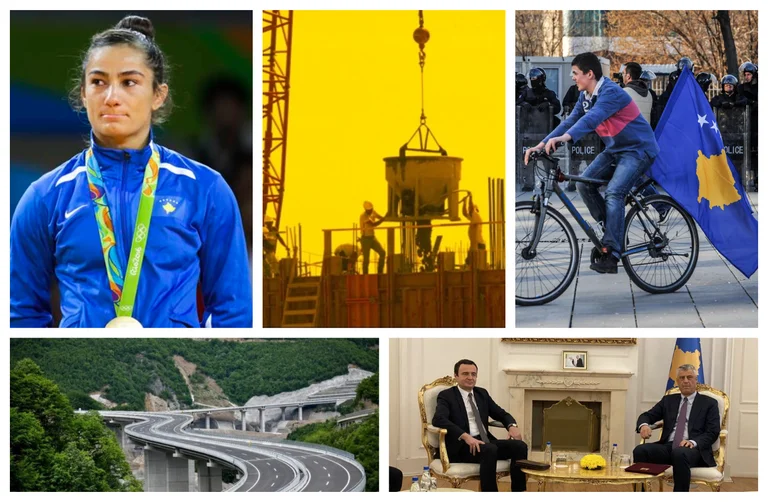
In honour of the 12th anniversary of Kosovo's Declaration of Independence, Periscopi has briefly summed up some of Kosovo's greatest achievements during this period.
Democracy
Kosovo is the most democratic country in the Western Balkans. In every possible sense. Kosovo is more democratic than Albania, more democratic than Serbia, more democratic than North Macedonia, and more democratic than Bosnia and Montenegro.
Election processes in the past 10 years have gone on to get better and better. In the 6 October elections, the two opposition parties managed to both simultaneously take first place and second place, and already formed the government. This is difficult even in countries with the most advanced democracies in the world.
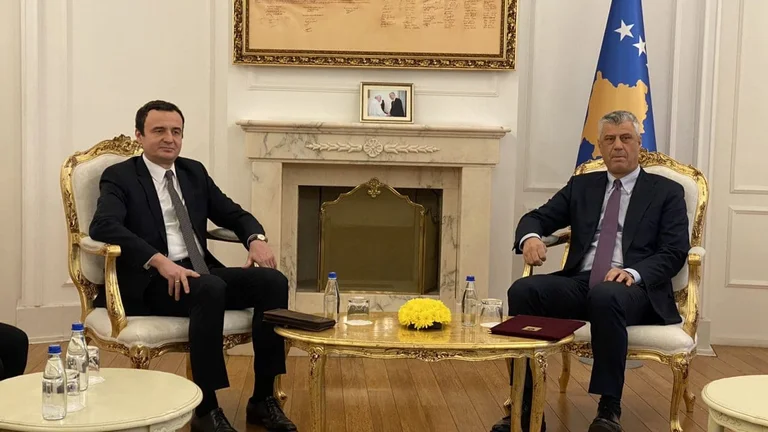
For a country with only 12 years of independence, this is an amazing achievement.
But it is not just election processes that make a good impression. Freedom of expression is at more advanced levels than in our neighbouring countries, which provides the conditions for a more conservative democracy even at the representation level. Kosovo continues to face the language problem that provokes hatred because of the failure of the judicial system, but remains far from all other Western Balkan countries.
Economic Growth
Kosovo has faced corruption, organised crime and unemployment. But the country's economic growth has been an undeniable fact. With a 4.5 per cent increase, Kosovo is the sixth largest economic growth in Europe.
In 2008, Kosovo's budget was only 815m euros. In 2020, Kosovo's budget will be around 2 billion and 500m euros. This shows that over the past 12 years, Kosovo's budget has tripled, even more.

During this period, public sector wages have also increased significantly. A high school professor in Kosovo who was once paid just over 300 euros will already be paid around 815 euros under the New Law of Salaries.
However, things remain bad in the private sector with continued labor rights violations, small salaries, and difficult contracts. Kosovo's until-the-art governments have contributed to a division of a strange social discrimination, among people working “state” and people working for private companies.
Infrastructure
Twelve years ago, Kosovo was in a terrible infrastructure situation. That is why Kosovo among the main ministries in its governments also had that of Infrastructure, which in the Kurti Government will be led by LDK's Lumir Abdixhiku.
Thousands of miles of roads were laid out in towns and villages, including two modern but costly highways.
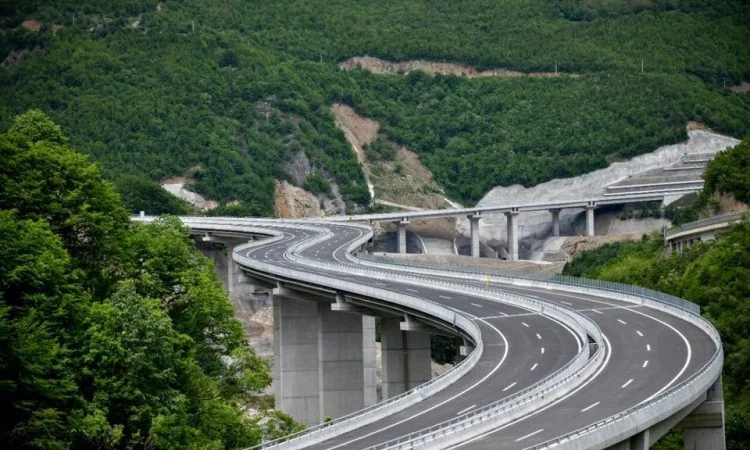
Such a policy has been constantly criticised by civil society and the media, but in fact has contributed to increased circulation opportunities, and in general the economic opportunities of our country's citizens regardless of their location.
In this respect, Kosovo has also increased school infrastructure, but still not in satisfactory size.
Sports
For a country that has only 12 years of citizenship, and which, moreover, inherited very weak infrastructure in sports, Kosovo has achieved remarkable successes.
Kosovo's national football is already stronger than many of the other national countries in the region. Kosovo beat out in a friendly 3-0 match Albania, then beat Montenegro 2-1 within the qualifications for EURO 2020.
Kosovo in the semifinals of the League of Nations will face March 26th with northern Macedonia in an effort to secure a seat for EURO2020. Consider also the qualifications, where Kosovo was third in its group, it can be said that progress in football is perceived.
But progress has also marked Kosovo's league. Although it is still working under difficult conditions, Kosovo's league has produced extraordinary players. The biggest stars of the national of Kosovo come precisely from our league. Amir Nundman, Vedat Muriqi, Milot Rasica, and more have produced other players for Albania's national, such as Etrit Berisha, Ylber Ramadani, Ardian Ismajli, Liridon Latifi, Eros Grezda and many others.
But those 12 years were also successful in the Judo sport. Majlinda Kelmendi and other Ippon School jungles in Pec managed to place Kosovo as a superpower of this sport, with medals won over the years.
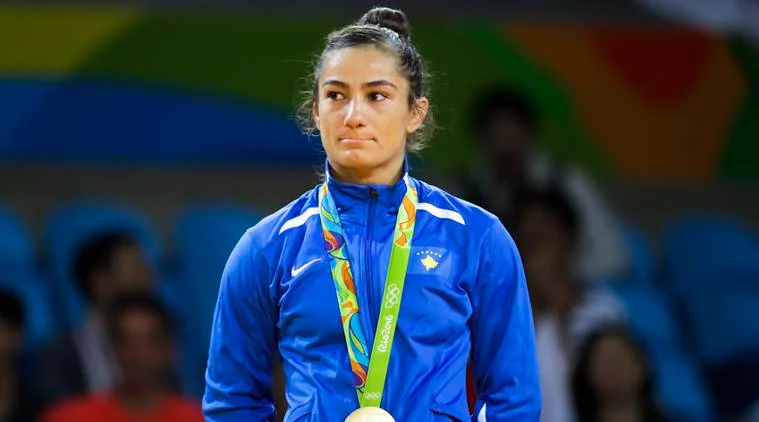
At the 2016 Olympics held in Rio de Janeiro, Mailyn Kelmendi won the first gold medal for our country.
Significant increases have also marked other sports, such as basketball, handball, and volleyball. /Periscope