6 minutes ago
So the holiday season was celebrated during the Spanish flu pandemic in 1918
Periskopi(5 years ago)
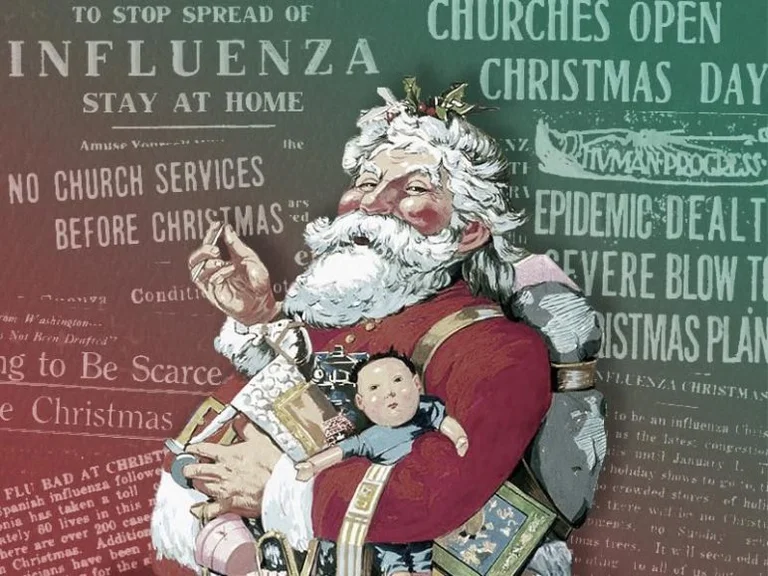
(5 years ago)On December 21, 1918, on the pages of the Ohio State Journal, the local Health Commissioner invited readers to resist the temptation of traditional Christmas kissing. This year you will show more love for your father and your mother, for your brother and sister and the rest of your family, staying at home instead of [...]
This year you will show more love for your father and mother, for your brother, sister and the rest of the family, by staying at home instead of going to visit at Christmas, or by having a party and family meeting”, he wrote.
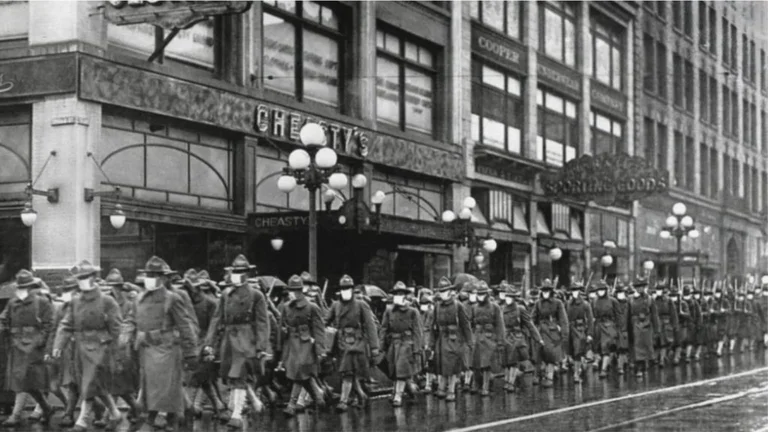
Christmas 1918: At that time, the threat was not called Covid-19, but the Spanish flu, and in the United States, the cure of infection decreased after the second wave. In the U.S. alone, this pandemic caused 675 000 casualties, more than double those caused so far by Coddy-19, but in a population much smaller than the current one. It was another century, another pandemic, another historic stage, yet there are different points between Christmas 2020 and 1918.
An article published on “web page Smithsonian” rebuilds the historical view of time. In 1918, health indicators belonged, not to the federal government (the Centers for Disease Control and Prevention or CDC in 1946), but to individual municipalities. Some cities like San Francisco had effectively managed the first wave, forcing masks and distance and setting a deadlock in mid-October 1918. The measures had worked, but reopening in late November had taken place very soon. In mid-December, the cases were on the rise again and citizens were now intoleranced to new restrictions.
Not a mask. There was movement to contain mask “No mask!” Some described the obligation to wear a mask as a violation of their rights, others, not holding them, cited religious reasons. Some complained about their eating 10 minutes a day for sterilization.
mask - bound egoism was not the only fact that it might seem familiar. In Milwaukee, the city of many Catholic immigrants from Northern Europe, closed churches for fear of infection during the Christmas season. Hence, there were those who complained about the suspension of celebrations and the halls of open beauty. Even in 1918, before creating large consumer stores, Amazon and Black Friday, Christmas was the time for purchase and gifts. Fearing delays in the supply chain, merchants had invited customers to buy in advance. For those who did not leave their homes for fear of infection, merchants guaranteed distribution at home.
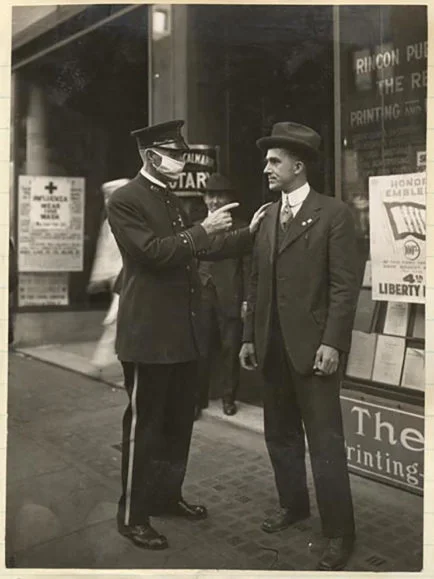
Trust in the Institutes. Unlike today, antiinfectation measures were not politicized. There was a greater familiarity among the population with epidemics. Many had lost a child from a diet or had seen someone paralyzed by polio. People were more willing to limit their personal freedoms so that they could face an invisible <x0 mic>”, and more prone to trust the authorities. Chiefs of public health departments often had police powers and could organize quarantine for one person or a whole circle. No one would have dared to contest his authority and had a greater belief in science, despite knowledge of viruses and vaccines.
Even then, she wondered what the festivals would be like in that extraordinary situation; but there was little concern about it, even because family meetings were not as rare as they are today. In many cases, several generations lived under the same roof.
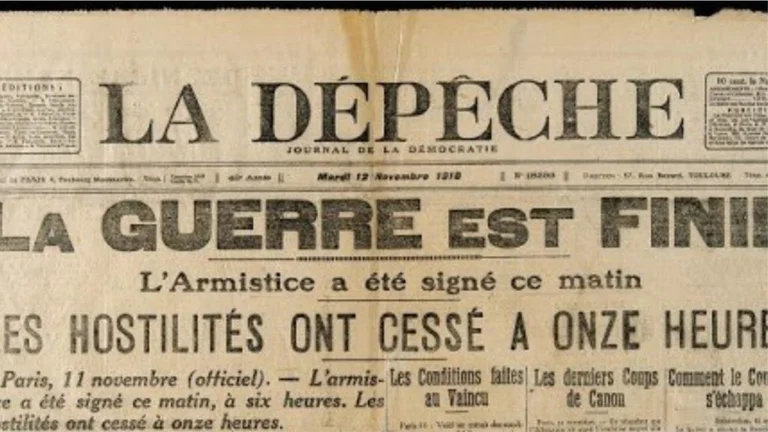
The end of the Great War. The need to embrace each other became even more urgent by the official end of the Great War in November 1918. In general, though, euphoria and gratitude prevailed over disappointment over delayed meetings. In less than a year, 100,000 men had lost their lives in the world conflict, many because of the flu - awareness that they had survived something terrible in a year that would surely have entered history.