12 minutes ago
Not only ordinary citizens, even MPs have problems providing visas

Periskopi(8 years ago)
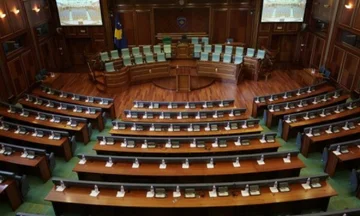
(8 years ago)It is not only citizens who face bureaucratic visa equipment procedures at the European Union's embassies of states. There are the deputies of the Kosovo Assembly, who, even with diplomatic passports, must go through procedures roughly the same, and not rarely, if they are also refused, or issued visas with [...]
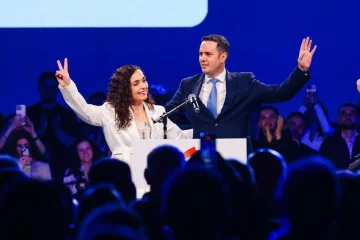
It is a perception in citizens that MPs, or politicians with diplomatic passports, do not need Schengen visas, or do not have the problem of visa equipment. But, LDK deputy, who is also head of the Commission for Foreign Affairs Vjosa Osmani, says that in practice, it does not happen the way it is supposed.
The “is a completely wrong perception that diplomatic passport does not need visas. In fact, we also have a need to apply for visas in diplomatic passport. The documents required are the same as those required by every citizen of Kosovo except in several specific embassies, and in addition, verbal notes by the Ministry of Foreign Affairs” are required, Osmani says.
The necessary documents are the same as for citizens, explains the MP, so certificates, financial reports, documents from ATK and all others. In many cases, they are also rejected.
There are numerous cases when MPs have been denied visas, there are numerous cases when the visa-taking procedure has lasted as long as time has passed to take part in a conference or inter-parliamentary meeting”, the MP says.
With only some states in its opinion, the problems may be slightly easier, but in most cases it is the same difficulties for MPs.
“Even visas with Diplomatic passport are too short-term. There are times when MPs obtain a visa for 2-3 days, or maximum one week, or ten days, so just as long as the official conference or activity”, she points.
There are also deputies, as they say, solidified with the people and do not insist on applying to be equipped with Schengen visas. So says public television, Initiative deputy Zafir Berisha.
“As the representative of citizens, naturally it should be solidified with this impasse in the free movement of citizens, which is not absolute citizens' guilt. Little by little is the blame of local politics, but also of European politics that experiment with Kosovo”, he says.
He acknowledges that not only citizens but MPs themselves have problems of free movement in the European Union.
If I am a member of the Commission for Foreign Affairs, I have been on a visit to Norway, because I have not been visaised and insisted on obtaining a visa just knowing the general situation Kosovo citizens have”, Berisha explains.
Berisha, though acknowledging there is corruption in Kosovo institutions and should fight it, ensures that there is no problem here. According to him, visa liberalisation is the political decision, and the EU is experimenting with Kosovo citizens, knowing that he himself has liberalised visas for Ukraine, which is in a state of war.