an hour ago
Drama in Moscow, Ukraine attacks key oil refinery in Russia's heart
Periskopi(3 days ago)
(3 days ago)Ukraine has launched the largest offensive with fears of Moscow during the full-scale war. The attack damaged a key oil refinery, caused fires and caused temporary disruptions of flights to the Russian capital.
According to Moscow Mayor Sergei Sobyan, Russian air defence systems dropped at least 194 fears targeting the capital overnight. The attack is considered one of the largest, while nearly 1,000 Ukrainian Dr.
Russian authorities reported that at least 17 people were injured in the attacks. Meanwhile, flights to Moscow's main airports were temporarily suspended for security reasons.
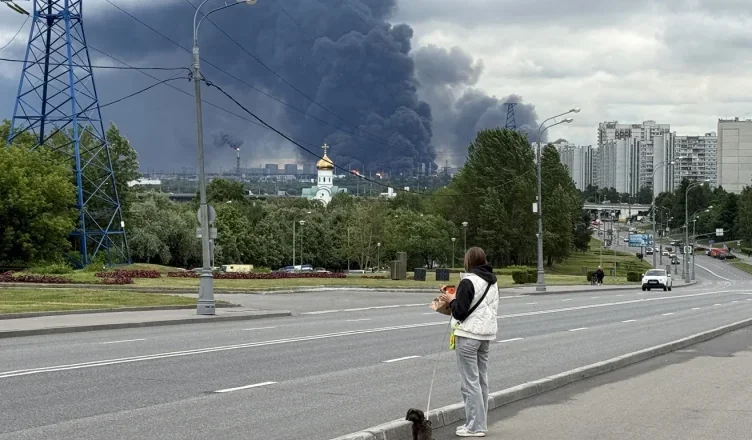
One of Ukraine's main objectives was the Oil Refinery in Moscow, located about 15 miles [15 km] from the Kremlin. According to social media images, powerful explosions and fires have been recorded in the complex, while damage is also caused in fuel depots.
Residents of the area around the refinery said they were awakened by strong explosions and heavy smoke that covered Moscow's southeast neighbourhoods. Some of them reported leaving the area for security reasons.
Ukrainian President Volodymyr Zelensky described the attack as an justified response to Russian strikes against Ukraine. He said Kiev has not wanted the war, but warned that if Ukraine continues to attack, Moscow will also face the consequences of the conflict.
Russia, on the other hand, countered Ukraine with seven rockets and 239 fears. According to Ukrainian authorities, the attacks hit power facilities, oil depots and civil buildings in the Kiev and Poltawa regions.
The attack comes at a moment when the war was introduced in the fifth year, and in Brussels the defence ministers of NATO countries are discussing military support for Ukraine. Secretary - General NATO, Mark Rutte, said the alliance is continuing efforts to secure Ukraine's necessary air protection systems and weapons to counter Russian attacks.
Meanwhile, US President Donald Trump's administration has warned a review of the American military presence in Europe, demanding that allied countries increase defence spending.