6 hours ago
Malisha starts fighting bell, densect areas where there can be parasites
Periskopi(a month ago)
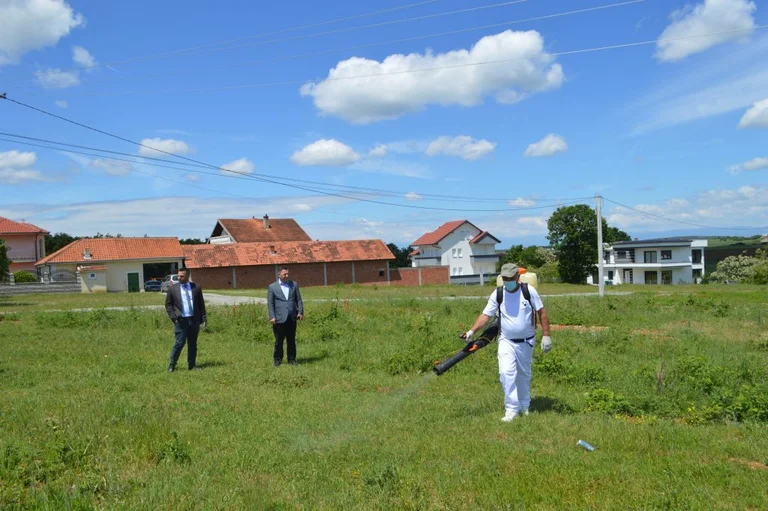
(a month ago)Malisevo has officially launched the dezination campaign in the remaining areas of this municipality, within the framework of measures for fighting and preventing the Hemorgic Crimean Ethes (EHKK).
This process is aimed at reducing risk from contact with ticks, which are considered the main carriers of the EHKK virus.
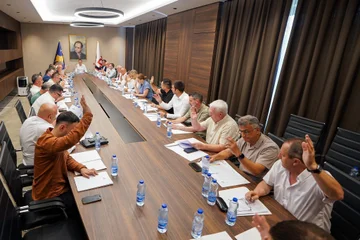
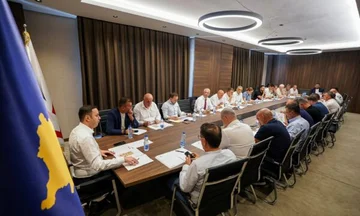
To closely convey the development of field works, the areas where dezination is taking place has visited them on Monday, the head of the Ekrem Kastrati municipality, accompanied by emergency staff officials, reports Kosovapress, broadcast Klankosova.tv.
In this case, he stressed the importance of implementing the National Strategy for preventing the EHKK and thanked the teams engaged in the field.
We are fully committed to protecting the health of our citizens. I thank all those involved in these activities, and I urge citizens to continue to respect the carefully added safeguard clause”, Malisheva chairman said.
According to municipal authorities, the demarcation is part of the operational plan for fighting and preventing the EHKK. Other activities, including awareness campaigns, animal rechosing (the process of treating animals with instruments or protective substances that ward off parasites, insects, or ticks), and the treatment of bites from ticks.
The municipal staff for managing the situation with the EHKK has appealed to citizens to be cautious during their stay in nature and to seek immediate medical assistance in case of ticks.
Belts, according to general medical and scientific information, are parasites that belong to the Araknid group, including spiders and scorpions, and are not considered insects. Unlike insects with six legs, adult ticks have eight feet. They feed on human and animal blood, clinging to the skin and stinging. Belts are usually found in tall grass, forests, pastures and in domestic animals or livestock, while they are also known as hosters of various diseases, including Crimean-Congo Hemorgic Ethet (EHKK).