15 minutes ago
Germany's government extends mandate to 400 soldiers in Kosovo, Bundestag approval needed
Periskopi(2 months ago)
(2 months ago)On April 22, 2026, the German Federal Cabinet approved the extension of two German Armed Forces missions in the Western Balkans: participation in the KFOR mission in Kosovo and the EU-led operation EUFOR Althea in Bosnia and Herzegovina. Both mandates still need to be debated and approved by the German Bundestag. The mission [...]
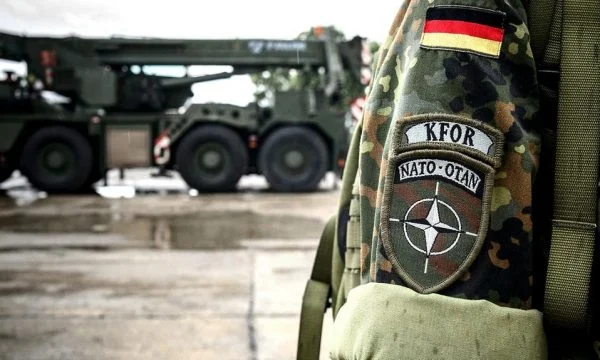
On April 22, 2026, the German Federal Cabinet approved the extension of two German Armed Forces missions in the Western Balkans: participation in the KFOR mission in Kosovo and the EU-led operation EUFOR Althea in Bosnia and Herzegovina.
Both mandates still need to be debated and approved by the German Bundestag.
KFOR's mission (Kosovo Force) has been in operation since 1999, making it the longest foreign mission of the German Armed Forces, trumpet albinfo.ch. The Federal Cabinet decided on April 22nd 2026 to extend the participation of the German Armed Forces in the international security presence in Kosovo for another year, writes suv.report.de. The border of staff of up to 400 German soldiers remains unchanged.
Discovering and advising are the main focus of KFOR's work. Its legal basis under international law is the UN Security Council resolution of June 10th 1999. Since Kosovo's 2008 declaration of independence, the mission has focused on supporting the development of professional, democratic and multiethnic structures.
The security situation in Kosovo remains fragile. In 2023, violent incidents occurred in which KFOR soldiers and civilians were injured, some of them severely. In late November 2024, a bomb attack was carried out in the country's central supply of water and electricity.
The situation remains particularly tense in northern Kosovo, which is largely inhabited by ethnic Serbs. Therefore, the German Armed Forces' contribution to KFOR has been reinforced by an additional operational company since April 2024.
In both cases, after the cabinet's decision, the German Bundestag must debate and vote for extensions of the mandate in the first and second reading. KFOR mandate is, in principle, indefinite, but following parliamentary practice, it puts every one under vote