 a day ago
Polls for the unification of Kosovo and Albania: How to Understand Parts
Periskopi(2 years ago)
(2 years ago)It says: Valon Murati In a survey conducted by Euronews Albania on how they would vote in a possible referendum for the unification of Kosovo and Albania, 82.9% of the residents in Albania have declared pro and 70.6% in Kosovo. As usual after such results, there are always voices in Kosovo expressing [...]
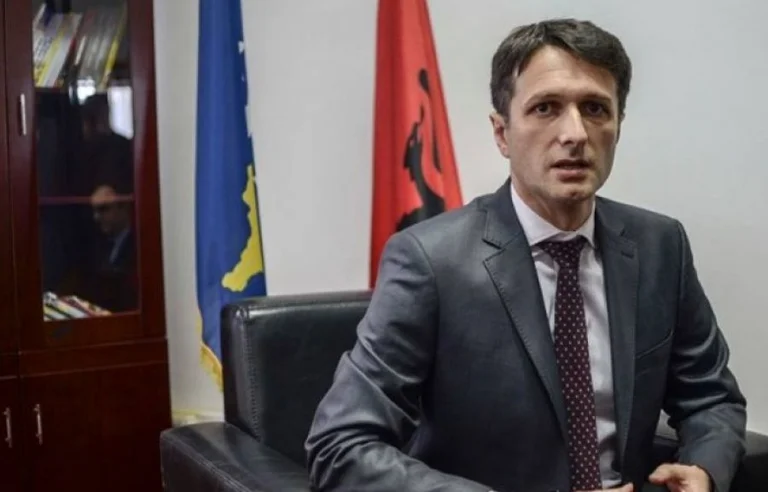
It says: Valon Murati
In a survey conducted by Euronews Albania on how they would vote in a possible referendum for the unification of Kosovo and Albania, 82.9% of the residents in Albania have declared pro and 70.6% in Kosovo. As usual after such results, there are always voices in Kosovo expressing wonder why there is such a large percentage of union in Albania by designing it in its own head for years that citizens of Albania are against joining. All those who are familiar with official Albania, the functioning of society there, but even earlier polls -- at least from 2000 onward -- are not surprised at this outcome. Since the Gallup survey of 2000 or 2001 this figure in Albania stands somewhere at 82%, while in Kosovo from the time it was 86% has dropped to 70%. Now, an explanation is needed for Kosovo as well. Why has this figure dropped in Kosovo, which has fanned the idea of freedom and unity so long. There are some factors in my opinion:
1. Release and unity until 1999 were synonymous. But because of international circumstances, but also those in the interior came without unity. In new circumstances, unity was not treated as vital, as it was in the past when it was attached to free concept and liberation.
2. Kosovo then became independent. This independence was crowned as a result of an international negotiation process. Part of this negotiation was the Ahtisaari Pack, which, to make efforts to accommodate Serbia's interest, Kosovo made it independent, with major restrictions on internal functionality. Part of the compromise and these ahtisarian principles was the ban on joining the constitution. And it wasn't the basic problem. The problem began with nearly impossible to change the constitution due to Serbian veto to any constitutional change. These were the conditions that were accepted for the Kosovo independence project.
3. Since 1999, with a combination of the influence of external factors and the withdrawal from this idea of internal factors (especially the arm of war that was the bearer of the concept of union, but not only), the project of the unification of Kosovo and Albania was severely fought (like something backward or even) and was aggressively promoted the idea of a Kosovo identity shared by the Albanian. Unremitting work of foreign and domestic structures and individuals who believe in a particular Kosovo identity is carried out by an occasional campaign against Albania and everything that comes from Albania, of course it has.
4. The continued prophecy until hysteria that the idea of joining is contrary to the state of Kosovo, despite our 1970s national liberation movement has addressed demands both for Kosovo and independent Kosovo as steps towards joining. So with the idea that the state of Kosovo is breaking up, and even more absurd that the Ahtisaari Pack (Although compromise) is falling down, the border reset project was fought. In this context the interest of Kosovo and Albanians was severely damaged with fighting this idea. So we were declared more important to Leposaviqi, Zubin Potoku's Zvecani than Presevo, Bouanovac and Medvedja. Then, today and tomorrow, we will remain trapped in dysfunctional and incompatible problems with Serbia without returning the border re-defined project to the negotiating table.
5. And in the context of all these pressures, fear dominates that this idea does not currently support the international community, especially Americans and Europeans.
And despite those said above, after 26 years still 70, 6% are claimed to be pro-unification in Kosovo. Actually, the union between Kosovo and Albania cannot happen outside an international context, and therefore not without the support of key international factors, in our case especially the US and the key EU states. When those circumstances are created, the will of citizens of both our countries will be approaching 95% in the referendum. Until then, we have some work to consolidate and make Kosovo completely sovereign to then achieve its destiny, including whether or not it wants a union with the Republic of Albania.









