19 hours ago
Record budget vs. Record Trade and Economic Loss

Periskopi(2 years ago)
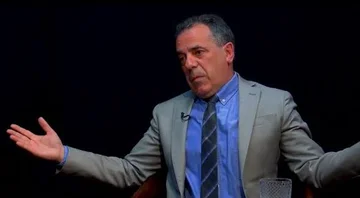
(2 years ago)It says: Shenoll Muharremi in Kosovo we have $3.6 billion public budgets, but on the other hand, we have about -$5 billion commercial losses from goods annually. This value of losses is increasing each year, more in volume than budget growth. There's something that's definitely not going here and that's where the focus [...] has to be.
In Kosovo we have $3.6 billion of public budgets, but on the other hand, we have about -$5 billion commercial economic losses from goods annually. This value of losses is increasing each year, more in volume than budget growth. There's something that's definitely not going here and that's where our focus should be.
Is this budget and where a model for Kosovo? Are you empowering citymen, families and businesses or are they already worse? Is the purchasing power of households and the competitiveness of the economy compared with the outside better or are they weaker? Is the circulation of money in the market higher or more money coming out of the country?
The fundamental question is whether or harming Kosovo's model economy, structure and current public budget arrangements. What is the total value of supporting businesses? What's the value of social assistance? This proportion may well expose and illustrate the power and importance of the future. Is the trade economic deficit increasing (just 5 billion a year/goods) and damaging Kosovo's economic structure or helping them?
Are people and the workforce going out of the country more or are they being integrated into the economy? Are there skilled business workers? What are the terms of private investment, but what is the structure of foreign investment? Why there is no investment in production, technology and agriculture, but only in buying housing that already 1/3 of the total are empty. There is much more than a number showing the quality of the budget.
We need to see what 3.6 billion state budgets mean and how they are spent on quality and outcome, not just numbers. The budget is the main means of public policy in the country. But the budget saw a positive vision boosting the economy could bring losses to the country. The budget could be higher, but that does not determine its greatness or importance. We need to see how we're spending public resources and what's the return to investment.
3.6 billion euros in 2025 budgets, but what if we have 5 billion euros a year's losses with imports and deficits in goods, that nobody is investing in local products? For 4 years, we have about -20 billion euros in losses from trade in goods, and the total budget in these years is about 12 billion, -8 billion have more losses in the economy.
The budget storm and the programs that are invested and accommodated are very important, not just sums. You may even have 10 billion budgets, but if you don't know how to spend it and invest it, you will increase deficit and losses by making wrong policies for Kosovo's socioeconomic context. Increases in social policy have influenced increased consumption and import, resulting in impacting production and local businesses and increasing the facility.
Kosovo needs a reconstruction of the budget structure, which is now outdated and with modifications in recent years, will bring more economic losses than benefits. Kosovo is in no position to apply social-democratic policy when its economy is luring, and about 30% of GDP per year is flowing into commercial losses (50% if we only look at goods).
Everything needs to be reconsidered. We need to see what the economy and the structures of the state that we want to create and this current structure needs to be rebuilt and modified to address future needs.
Currently, social aid is increasing, but with it the economy is weakening the deficit or losses are growing steadily. We should have a model, vision and structure that strengthens local businesses and producers and empowers the economy by lowering the corporate trade deficit.
The current model is not only indisposed, it's harmful because it only takes money from businesses and alodesses it to social policies until the competition of the local economy is weakening and we're having huge losses each year in trade.