27 minutes ago
Brad Osman: Kosovo and Serbia use geopolitical moments to close major topics
Periskopi(3 years ago)
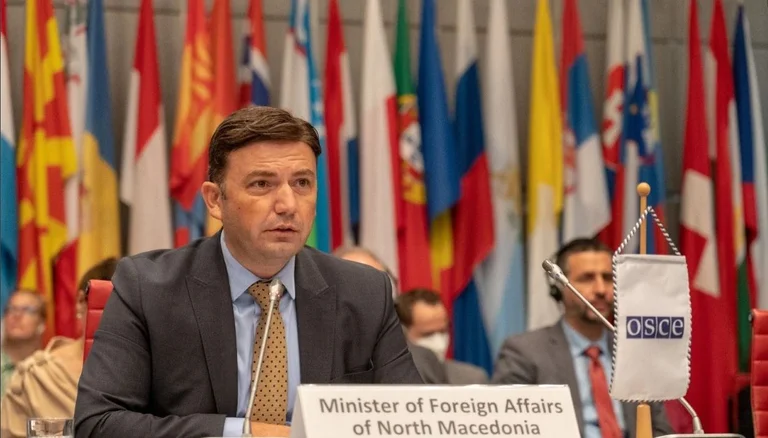
(3 years ago)Northern Macedonia's Foreign Minister -- at the same time chairman of the Organisation for Security and Co-operation in Europe, Bujar Osmani -- called on Kosovo and Serbia on Friday to resolve disagreements at a time when the world is facing geopolitical changes. He made these comments one day after Kosovo and [...]
He made those comments a day after Kosovo and Serbia held meetings in Brussels with special envoy for the talks Miroslav Lajcak, after whom the parties were unable to report any progress.
“We encourage Kosovo authorities to continue efforts to close major topics in the region because the development of geopoliticals in general does not go in favour of the countries of the region. Therefore, this would be my message both as OSCE leader and as minister of a NATO member state, a country negotiating with the European Union, to encourage, so that the parties can exploit these important geopolitical moments”, Mr. Osmani said.
Thursday's meetings followed the addition of Western efforts to speed up implementation of the agreement on normalisation of relations, urging Pristina to establish the Association of Serb majority municipalities, while Belgrade recognises Kosovo de facto.
The attack by a group of armed Serbs against Kosovo police on 24 September, which has been described as the most serious escalation in Kosovo relations Serbia in recent years, has increased concerns about stability in the region amid fears that Russia could use Belgrade to promote ethnic conflicts in the Balkans, to draw the world's attention from its aggression in Ukraine.
Ukrainian President Volodymyr Zelensky said on Thursday there is information Russia may try to fuel a conflict in the Western Balkans.
Asked about this concern, European Union spokesman Peter Stano said Friday that the bloc is aware that Russia is trying to do all it can to exploit political instability to increase its influence in the Balkan region.
We monitor these Russia activities for a while now and we know what Russia is trying to do. So we are working hard with our partners from the Western Balkans to prepare them to face them. This is also one of the issues raised Monday during discussions between the member states of the European Union with Western Balkan Foreign Ministers”, Mr Stano said.
Serbia continues to oppose the independence of Kosovo, which was declared in 2008 with the support of Western powers and, although aimed at European integrations, maintains close ties with Moscow, refusing to join Western sanctions on Russia due to its aggression in Ukraine. / VOA/