2 minutes ago
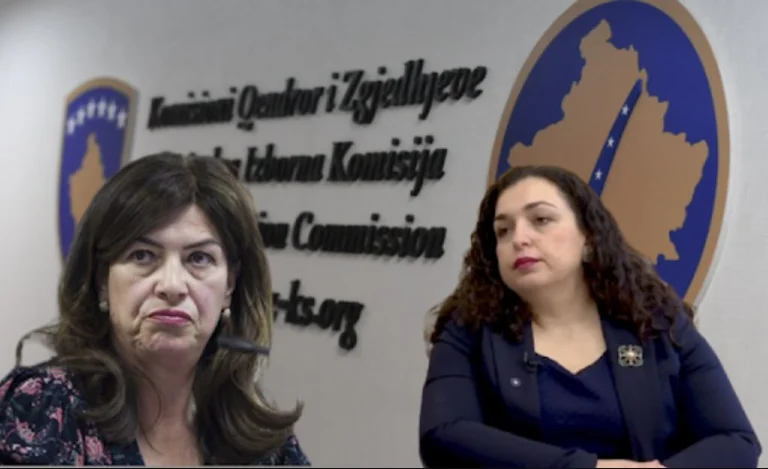
The US report cites Valdete Daka dismissal: “politically motivated”
Periskopi(4 years ago)
(4 years ago)The U.S. State Department has published the report on human rights in the world for 2021, showing that in Kosovo important issues of these rights included serious restrictions on freedom of expression and media, including violence or threats of violence to journalists; serious government corruption and impunity and crimes involving [...]
This report also mentions recent elections and political participation in it. What is noted is the dismissal of former Central Election Commission Chairman (KQZ) from President Vjosa Osmani, where she is praised as ) I POLITICY MOTIVEDI follow Periscope.
The dismissal had occurred on 14 June, while 11 civil organisations named it political dismissal. All these developments are mentioned in the UN report.
On January 22nd, ahead of the February 14th elections, the Central Election Commissions voted to deny the Certificate of candidates of each party with a criminal conviction in the last three years, in line with laws regulating the adoption of the campaign. The next day, then President Vjosa Osmani criticised this vote in a public statement. Later, on June 14th, President Osmani dismissed election commission chairwoman Valdete Daka for allegedly acting in a way that has seriously violated the independence and integrity of the commissions. Eleven civil society organisations together called Osman's decision politically motivated and in the EU Election Observation Mission report “The Kosovo President's decision on the dismissal of the former election commissions on June 14th, four years before terminating its second mandate, and just one day before the proclamation of municipal elections, has been unable to reason on either the verdict's reasons or the reasons listed in the Law for the General Elections. In particular, both decisions are seen by opposition parties and civil society as politically motivated”, the UN report says.
This is a full report of UN elections and political participation:
SUGGES AND POLITIC PREMARATION
Last elections: The country held extraordinary parliamentary elections in February. International and independent observers, as well as representatives of ethnic minority groups, noted pressure and intimidation within ethnic minority communities to support parties lined up with List Srpska, a party closely linked to the Serbian government. Some Kosovo Serbs also reported that they have been pressured not to support other parties except List Srpska. According to observers of the National Democratic Institute, the Republika Srpska politicians pushed for the creation of new Roma and Bosnian political parties and encouraged Kosovo Serbs to vote for these new parties in an effort to boost their influence in the Assembly by winning seats reserved for minority groups.
In March, the Supreme Court annulled most of the votes cast for the reported Roma Initiative parties linked to the Republika Srpska List and parties Ujedinya Zajednica-Adrijana Hodzic, claiming their votes did not come from communities the guaranteed countries intended to represent. The Supreme Court's decision prompted Hodzic to lose her country, which went to the second Bosniak party, the Social Democratic Union. The Roma Initiative also lost one of the two countries that initially appeared to win, with the country going to another party in the Roma community.
On January 22nd, ahead of the February 14th elections, the Central Election Commissions voted to deny the Certificate of candidates of each party with a criminal conviction in the past three years, in line with laws regulating campaign compliance. The next day, then President Vjosa Osmani criticised this vote in a public statement. Later, on June 14th, President Osmani dismissed election commission chairwoman Valdete Daka for allegedly acting in a way that has seriously violated the independence and integrity of the commissions. Eleven civil society organisations together called Osman's decision politically motivated and in the EU Election Observation Mission report “The Kosovo President's decision on the dismissal of the former election commissions on June 14th, four years before terminating its second mandate, and just one day before the proclamation of municipal elections, has been unable to reason on either the verdict's reasons or the reasons listed in the Law for the General Elections. In particular, both decisions are seen by opposition parties and civil society as politically motivated. ”