15 minutes ago
Republika Srpska can break down, Escobar visits Bosnia and Herzegovina
Periskopi(5 years ago)
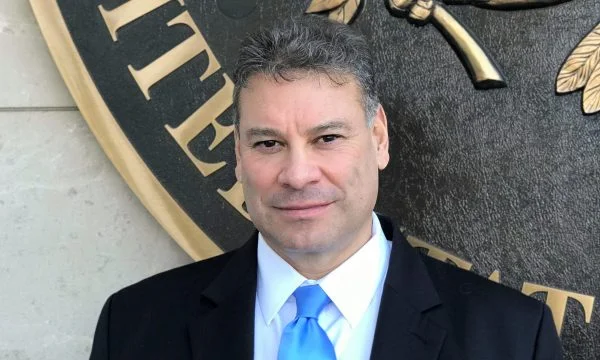
(5 years ago)Deputy Assistant- US Secretary of State for Europe and Eurasia, at the same time the envoy for the Western Balkans, Gabriel Escobar, is expected to arrive in Sarajevo today, at a time of increasing concerns that Republika Srpska can secede from this country. Republika Srpska along with the Muslim-Croatian Federation are the two entities that make up Bosnia and Herzegovina. Such organization [...]
Republika Srpska along with the Muslim-Croatian Federation are the two entities that make up Bosnia and Herzegovina.
Such organisation has been made with the so-called Dayton Agreement, which has ended the war in Bosnia in the 1990s.
Escobar said in an interview for Radio Free Europe on November 5th that people in Bosnia know that the international community is united to ensure that “implement the commitments for peace and security of people in the region”, adding that “we are committed to having no war”.
Milorad Dodik, a member of the Bosnian Presidency, has recently threatened the departure of Republika Srpska from national institutions, such as tax authority, the agency for medicine and the military.
Escobar has said any motive that undermines the Dayton Agreement is “very destabilising in the region”.
The United States has said even before that there is no “constitutional path” for Republika Srpska to withdraw unilaterally from state institutions.
The international community's high representative in Bosnia and Herzegovina, Christian Schmidt, has warned days ago that this country is in immediate danger of breaking up.
In a report to the United Nations, seen by the British Guardian newspaper, Schmidt has said that if Serbian “parastists apply their threats to re-creating their army, dividing the national armed forces in two/”, then more international peacekeepers will have to be sent to Bosnia to stop the country from slipping towards a new war.
International peacekeeping tasks in Bosnia currently have a European Union force, known as Eufor, which has about 700 troops.
NATO has a formal headquarters in Sarajevo.
Representatives of the Republika Srpska have been boycotting the work of Bosnia's central institutions since late July, when Schmidt's predecessor, Valentin Inzko, has imposed a law banning the denial of genocide and other war crimes in Bosnia.
Republika Srpska has refused to ban genocide denial by law.