12 hours ago
Kosovo tests Israeli moral character
Periskopi(6 years ago)
(6 years ago)In the 90th, 10,000 Kosovo Albanians died and about 1 million were expelled from their homes as a result of Serbia's aggression. Jews and Albanians share the history of suffering and persecution. Albanian leaders have honoured Jews who were killed during the Holocaust, visiting the Memorial Hall at Yad Vashem and [...]
Albanian leaders have honoured Jews who were killed during the Holocaust, visiting the Memorial Hall at Yad Vashem and praying in front of Eternal Flames. Israel needs to honour victims of ethnic cleansing in Kosovo by accepting its independence and establishing diplomatic relations.
In the 90th, 10,000 Kosovars died and about 1 million were displaced as a result of Serbia's aggression. The marking of Albanians because of their ethnicity constitutes the genocidals under the UN Convention for Prevention and Punishment of Genocide Crime.
The convention was unanimously adopted by the UN General Assembly in 1948 to prevent what happened to the Jews of Europe from happening to anyone else. Kosovo could not exist without the Jewish community worldwide that played a critical role in opposing Serbian plans to deport the ethnic Albanian population in order to change Kosovo's demographic.
Appeals from Nobel laureate Elie Wiesel and other Jewish leaders led to NATO intervention in 1999, which prevented the escalation of genocide against Kosovo Albanians, freed Kosovo from Serbia's tyranny and placed this country on the road to independence.
After nearly a decade under UN auspices, Kosovo declared its independence on February 17th of 2008. The legality of this ruling was confirmed by the International Court of Justice (ICJ). So far, 111 states have accepted Kosovo and established diplomatic relations with it, including the United States and 24 EU member states.
However, Israel is suspiciously missing on this list of independence connoisseurs. The recognition of Kosovo's independence by Israel would affirm its dedication to justice and ethics in international relations.
The recognition would have practical benefits, boosting efforts for peace and reconciliation in Kosovo, Europe's newest state that still has difficulty recovering from Serbia's aggression. Serbia's government had deployed military, police and paramilitary forces in the 1990s. I shut down the democratic institutions of self-government. Peaceful pro-democracy protesters were beaten, imprisoned and killed. Serbia banned the Albanian-language media and education. He fired physicists and teachers. Villages burned. Old people, women, and children were executed. What Serbia left behind can be found in mass graveyards, as well as in the individual stories of many people who suffered from it.
The International Crimes Tribunal, modelled after the Nuremberg Judiciary Process, convicted Serbian officials of war crimes and crimes against humanity. These sentences, however, are not enough.
About a thousand and 700 Kosovo Albanians are still missing. There can be no rest for the families of these missing people until Serbia finds out their fate and hands up the bones to their most loved ones. Instead of apologizing, Serbia has cynically launched a campaign to discourage states from recognising Kosovo's independence.
Working with Russia, it is already pushing the states that have recognised independence to attract it. And most recently, the Serbian government has welcomed a “Embassy State of Palestine” in Belgrade. Serbia believes obdsimism will turn Kosovo back.
This brick must leave; Serbia has irreversibly lost Kosovo due to Slobodan Milosevic's crimes. Kosovo may be a small and troubled state, but it will never join Serbia. For Kosovo Albanians, joining Serbia is the same as asking those who survived the Holocaust to submit to the Nazi regime. To our horror, the pressure of Serbia's campaign has effectively discouraged many states from normalising reports with Kosovo.
It has increased fears that recognition would spread precedents for other situations, including Israel's separation of Palestine. The ICJ has decided that the Kosovo case was “sui generators”, a legal term meaning that this case was unique.
The recognition would not mean international recognition of Palestine, nor could it be viewed as embracing the legal division of the Bask region from Spain or Turkey's occupation. Knowing is much more than symbolic. And there would also be practical benefits, giving impetus to the EU's relaxed dialogue between Kosovo and Serbia.
Israel's recognition of Kosovo is critical for the stability of Southeast Europe and for the reconciliation of Kosovo with Serbia. Establishing diplomatic relations would increase Israel's credentials as a justice prosecutor.
It would also increase Israel's moral authority, making up a powerful declaration of solidarity with victims and oppressed people. The <x0 bet never on” should not be trained. As Israel was born from the ashes of the Holocaust, Kosovo was born with intense suffering. Establishing relations with Kosovo would affirm Israel's moral character.
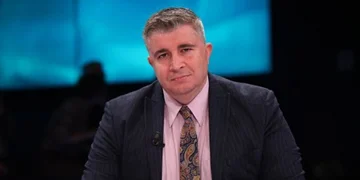
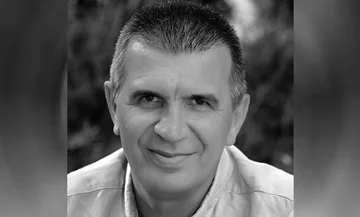
Alush Gashi is an adviser to Kosovo Prime Minister. He served as minister of health, but also as an MP in the Kosovo Assembly.
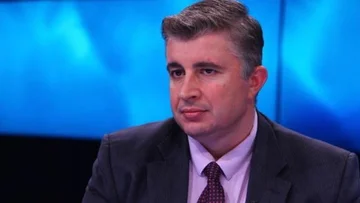
David Phillips runs a program at Columbia University for peace and rights construction.