9 minutes ago
The painful confession of Mereme by Gjakova: Serbs killed two boys 12 and 10
Periskopi(6 years ago)
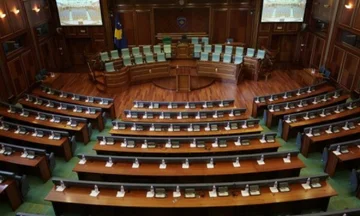
(6 years ago)The entry of the Kosovo Parliament is marked with 1133 flowers, symbolising 1133 children killed by Serb forces during the war. 1133 children, who today would be men and women, were cut off from all kinds of weapons to autoblinal machine guns. The pain of their parents, mothers and fathers, thrilled, [...]
The entry of the Kosovo Parliament is marked with 1133 flowers, symbolising 1133 children killed by Serb forces during the war.
1133 children, who today would be men and women, were cut off from all kinds of weapons to autoblinal machine guns. The pain of their parents, mothers and fathers, is thrilling to this day.
An exhibition of their memories, titled “, was opened in Pristina last year. It was once that never be as good as”, organised by the Fund for Humanitarian Law in Kosovo.
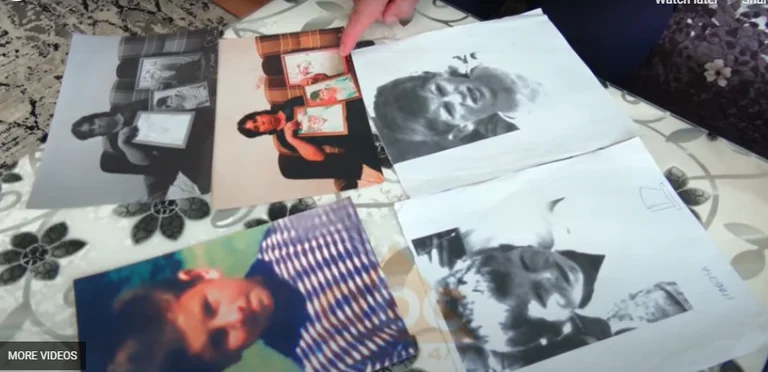
There was also the blanket with which Mereme Kelmendi, of the village of Rakovina of Gjakova, had covered her two children, Besimi, 12, in sixth grade, and Haxhiun, aged 10, in the fourth grade who, with their father, Shaban, were shot by the machine gun of a Serbian forces.
Moving towards the border to the road leading to Prizren and the turning of the call to Gjakova, where he lives in a social residence, under very difficult conditions with one of his sons, his bride, his nephew, and his three-month-old niece.
Shaban Kelmendi and his two young sons were returning from the village of Kralan of Gjakova, where they had taken food for cattle.
The vehicle at the notorious Kramovic checkpoint hits them. It was January 25th. The ruthless eyes that sow death, mark the tractor, and shoot heavy weapons. I don't know why it reminds me of the title of a book by Rex0> Death comes from such eyes. ”... Those eyes do shuban Kelmendi bullets with both children and two other people on that tractor,
At the Kosovo Humanitarian Law Fund exhibition, children are there, all together as never before in life.
Names, surnames, photographs, personal items, confessions, images of places where crimes occurred. A great wall shows the names, surnames, birth dates and death of 1133 children. Another wall shows 320 photographs of children killed and disappeared during the war.
But life has continued, renewed with the two remaining sons. They are married and already have their little ones. Merem rejoices at the children with whom he lives, even though the pain of faith and Hadzi is left nailed there, to the wall, to their photographs. The daughter-in-law lived through the war in Pec. Her father was a soldier in the KLA.
But Merem was not alone in her suffering without comfort. They are forced by Serbian forces to head towards the border with Albania.
They cross the border and reach Kruma School. Stay there two days and two nights until Uncle Nysa, as she calls him, goes and takes them to bring to Kamez. Mereming with the remaining two boys and many others, full of 32, takes refuge in Najazi's house, which erects a large tent in the courtyard to make room for everyone.
Merem represented for them the kind of suffering that no soil could cause.
The friendship between the two families has continued and continues, for joy and for oil, for good and for bad. Brother and sister, no matter the boundaries between them.
There is so much suffering, sorrow, endless sadness, but also so much kindness, human feeling, sacrifice and self - sacrifice to help each other, regardless of the boundaries that have separated us and the enemies that have conquered and burned us. Life has been reborn in children's children, beautiful, healthy, like morning light at the end of the pain tunnel. They are hope and joy that brings the future beyond the bitter past!