2 days ago
I'm a teacher from Italy to Karantina: Online Teaching Is Not Working
Periskopi(6 years ago)
(6 years ago)Last week, drastic changes have taken place worldwide, especially in Italy. This began last week with the quarantine of northern Italy, the closure of schools and universities throughout the country, and now the quarantine of the entire country. My life as a primary teacher here in Toscan has changed radically. I have [...]
Last week, drastic changes have taken place worldwide, especially in Italy. This began last week with the quarantine of northern Italy, the closure of schools and universities throughout the country, and now the quarantine of the entire country. My life as a primary teacher here in Toscan has changed radically. I've been working at a private international school for two years, and what it asked me to walk to school, in interacting with colleagues and teaching in class has now become a virtual online experience. There's been a lot of online conversations about whether the coronary will promote a new age of work from home and electronic learning. And so from the beginning the children loved this thing, then the problems started, and not just because the model favors the children of households with access to technology, space and time.
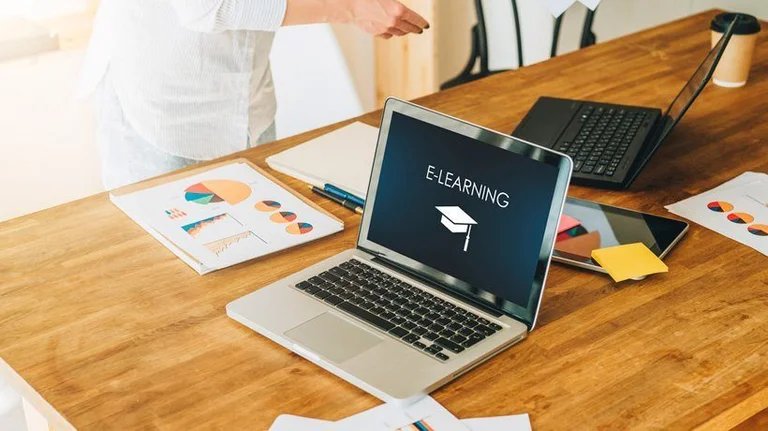
My school has learned from the pioneers in Asia, where teachers there are already working in their form after schools and quarantines closed. We use a mixture of sweatshops to communicate between staff, and with students, including Google Hangouts, Zoom, FaceTime, Microsoft Teams and an electronic learning app called Seesaw.
And so, my little apartment became the class. Where I used to relax and watch television now is my film studio where I have to explain my homework and demonstrate activities. Where I used to cook with my co-banner and reflect on how my day had turned into an area where preparation was produced for these lessons. One day I received two toilet cards to mold the cow's femur, to show the children how in Mesopotamia they marked animal bones and in this form carried out payments.
My private life and my work life are no longer divided. Something that has become even more observable by the closure of shops, cafes, and most supermarkets. We are questioned by the police if we go outside. Fortunately, I live with a colleague, so we have each other for some company. I know many of our friends who live alone and who are not putting up with this situation, which they find very insulating. It's a very distressing time, and it's going to hurt people's mental health.
I try to prepare all my activities from the day before. Through Seesaw, we can plan to sync these activities with the time of children. Since I want my children to be responsible for their teachings, I try to prepare my activities in such a form that they will be a source of commitment and independence. Then, using FaceTime, I call eight of my kids in my class, and we work on a problem with them, before I call them eight more. It has been interesting to see the role children's families play in their commitment to their children, in helping them, and in rejoicing when they do something good. I heard a child's parent be so happy one day after never listening to his son speak English.
However, the model favors those who have access to resources. I'm pretty aware I'm working in a private school where all the kids have iPads. My friends from public schools say they had printed all the letters containing child training for a week, and then those letters are collected by their parents Monday morning. It is their choice whether they carry out their duties or not.
The role of parents has been a part of this electronic learning experiment, and once again we teachers are lucky in this regard. Now the whole country is quarantined, and children have their parents to help with their schoolwork. I wonder if a parent or parents of a child have to go to work, will their children perform their duties? We have observed that despite their efforts, children are learning less than before. Their parents are not teachers and can't help them in the way we're trained. And it is, of course, a heavy burden on parents to take on this role, considering that they have their own lives and jobs.
My biggest concern is child welfare, more than their education. Children have unlimited energy that needs great space. They're stuck in the house all day, and they don't have the chance to socialize. Teachers at Physical Educate are keeping their classes by telling students to send their videos using ball practice. It is easier for children with a garden. Some of my colleagues are very concerned with the well-being of their students, saying they're headed on their iPads, having a hard time holding up the mood.
I really hope that when April 3rd arrives, the day the government has said this would be over, this would definitely end. This time, however, we realize what the future of learning seems like with its goods and bads. Even though it's an exciting step forward that enhances digital learning opportunities, it comes down to an extremely high cost of socialism, loss of emotional and psychological abilities. It also does not work for a system that does not offer equal opportunities. And I can't help but think, is this the end of the snow days? /The Guardian.