12 minutes ago
A thousand scientists gathered together to understand cancer: Alternal Results Reached
Periskopi(6 years ago)
(6 years ago)More than a thousand scientists have developed the most detailed picture of cancer of all time in an extraordinary study. They said the cancer was like a thousand-part picture, and that until now, 99% of the parts were missing. Their studies, published in Nature magazine, offered an almost [...] picture.
They said the cancer was like a thousand-part picture, and that until now, 99% of the parts were missing.
Their studies, published in Nature magazine, offered an almost complete picture of all cancers, writes the BBC, renders Periscope.
These pictures could allow the treatment to take place in each patient with a unique tumor or to develop ways of finding cancer in earlier stages.
The consortium of Pan-cancerosis of all Genome analyzed the genetic code of two thousand and 658 cancers.
1 per cent
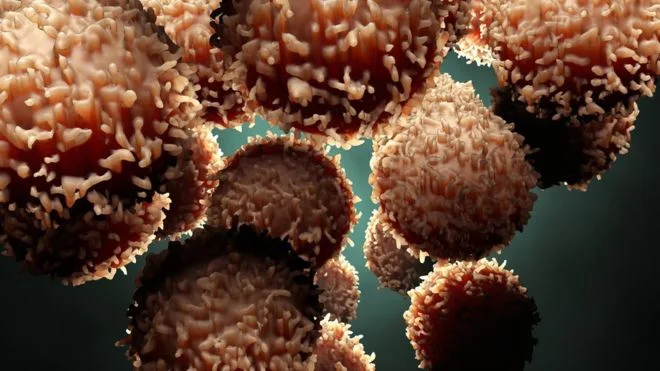
Cancer is a corrupt version of our healthy cells... mutations in our DNA that change our cells... until they eventually grow up and divide them uncontrollably.
All of our understanding of this process comes from the sets of genetic instructions for the building of proteins in the body.
This is only 1 percent of all genomes,” said Dr. Lincoln Stein of the Ontario Institute for Cancer Research.
He said doctors had been “in darkness” when they treated nearly a third of the patients until they knew why their cells had become cancerous.
This major study had teams from 37 countries around the world for more than a decade to figure out what happened to 99 percent of other genomes.
This great work shows that cancer is massively complex, with thousands of different mutation combinations capable of causing cancer.
Which Leads to Cancer
The project found that human cancers contain, on average, between four and five fundamental mutations that lead to cancer growth.
There are many missing pieces that can be detonated with treatment and that attack these <x0 mites leading to cancer”.
“Finally, what we want to do is to use these technologies to identify treatments that develop in each individual patient,” said Dr. Peter Campbell, of Wellcome Sanger Institute.