4 days ago
New super-era technology is coming: We won't believe our eyes.

Periskopi(7 years ago)
(7 years ago)On June 1, 2019, the Daily Beast published an article exposing the creator of the already vile and false video that featured Nancy Pelos speaking in a drunken state. Judging from comments in social media, we can see that many people first ate for themselves, believing that Mrs. Pelosi was [...]
On June 1, 2019, the Daily Beast An article published exposing the creator of the already vile and false video showing Nancy Pelosi talking drunk.
Judging from the comments in social media, we can see that many people initially ate for themselves, believing that Mrs. Pelosi was drunk while speaking to reporters. [If that seems absurd to be trusted, remember Pizzagate; people are happy to believe bad things about politicians who don't like them. ]
The fake video was made by a Trump supporter named Shawn Brooks [Broox denies that he created the video, although Facebook confirmed it was the one who first loaded it on this platform.] Some commentators were quick to say that Daily Best made a mistake in exposing Brooklyn. After all, they argued, he is only one person, and not a secret agent of Russia or a strong public relations company.
This is legitimate sorrow but miss the most important point. There are good reasons for journalists to expose the makers of fake content on the Internet, and it's not just about enjoying the attention of these provocations until they suffer. We live in a time where knowledge of the origin of an Internet video is as important as what the given video shows.
Digital technology is making it so much easier to manufacture convincing roots. The video that Mr. Brooks is very simple; you could do it yourself by watching some clips on YouTube about their editing. But, the most complicated factories sometimes called “deepfaces,” [blastically “rends deep <xx3> use algorithmic techniques to show people by doing things that they have never done, not only by slowing their movements or their speech or by changing their voice color, but also to do things that they have never said. A current research article suggested a technique that generated whole body animations, that could digitally move the figure of a person or a famous person.
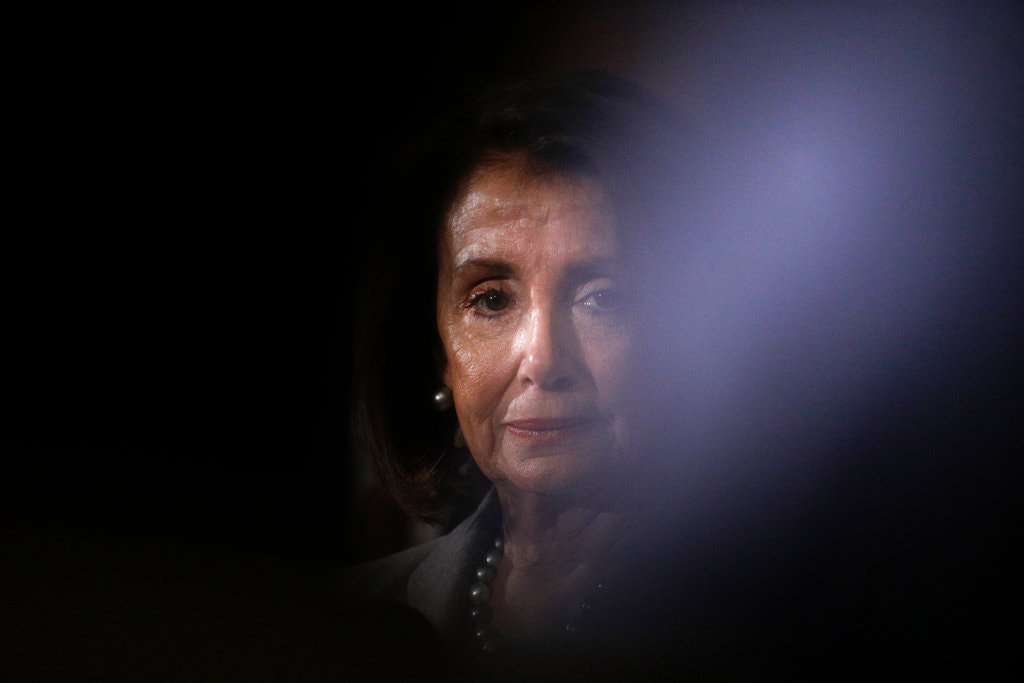
So far, this technology does not appear to have been used in American politics, although it has played a role in the political crisis in Gabon earlier this year. But recent arguments about false news are only too small a thing compared to what can happen when voices and images, not just words, are open to manipulation by everyone with a good computer.
To combine this part with what we learn from epistemology... the branch of philosophy that deals with recognition... and you'll see why the Daily Beat was right about exposing the maker of the fake video that sullied Pelos. Contemporary philosophers rank different types of evidence according to their endurance: How much obedience, they ask, can we reasonably have in faith when supporting this and that information?
We usually tend to think that perceptions of evidence with our eyes and ears guarantee a very strong excuse. If you see one thing with your eyes, maybe you should trust it. By comparison, claims made by other people that philosophers call testimony offer some excuses, but usually not so much perception. Sometimes, of course, your senses may deceive you, but that is less possible than deception by other people.
Until recently, video evidence worked a little bit-a- too much like perception with our eyes. Most of the time, you could believe that what caught a camera is exactly what you saw with your eyes. So if you trust your perception, then you have just as much reason to trust the video. We all know about Hollywood studios, with plenty of time and money, that they can use CGI to present what they want, but what are the chances that a simple video of the Internet is coming from Hollywood?
Now, with the emergence of deepface technology, the ability to produce false ideas but convincing will spread the same as the ability to lie with our mouths. And once that happens, we have to think more of images as a verbal testimony than of perception. In other words, you have to trust a video if you trust the person who produces it.
This means that it matters where the fake video of Nancy Peloss was produced. This time we knew the video was fake because we had access to the original video. But, with the future éepphake, there will be no comparison to the original. To find out if it's real video, we need to know who did it.
It's good for journalists to get the expression to follow the makers of the mysterious content of the Internet. And it's good for all of us to expect that from the media. With the visiting deepphaks, we would feel good if we were prepared. Right now, even though it's not the ideal choice to take off amateur political operatives' mask, it's better than trusting the video they're playing. /Periscope, translated by The New York Times