4 minutes ago
Serbia does not implement agreements with Kosovo, no border meetings held

Periskopi(7 years ago)
(7 years ago)The arrest of the chief of the so-called Office for Kosovo in Serbia's Government, Marko Djuric, in March 2018 has not gone through without revenge actions from the Serbian side. They have rejected the implementation of the only agreement that worked between the customs of both states. This has caused the annulment of meetings between the Kosovo side and [...]
The arrest of the chief of the so-called Office for Kosovo in Serbia's Government, Marko Djuric, in March 2018 has not gone through without revenge actions from the Serbian side. They have rejected the implementation of the only agreement that worked between the customs of both states.
This has caused the annulment of meetings between the Kosovo and Serbian sides at the Jarinje and Brnjak customs stations envisioned in the 2011 Brussels agreement.
Under this agreement, both sides should meet for discussion at least once a month, co-operation that was carried out through “EULEX”.
Customs Points Director in the North Besim Curri shows that meetings have had an impact on smuggling management, as the country's north is considered to be “gray”.
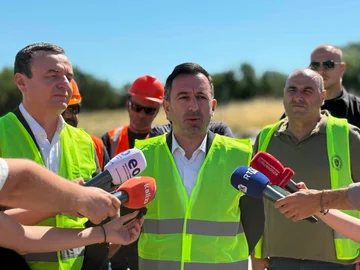
“on Mitrovica territory usually we have 24-hour teams that do the second check, except for the control done at the border point. We also do street searches, where there are active teams in 24 hours of the day”, said Besim Curri, director of customs points in the north.
Eric Morina shows that the Serbian side has been barred from communicating with them in any form.
“Appointments have been very important, but we don't have regular meetings right now. Of course, the lack of such meetings causes us shortcomings in receiving information concerning customs procedures”, said Eric Morina, chief of switching to the Jarinje customs point.
Top Channel has tried to take a stand by European Commission spokeswoman Maja Kocijancic, but she has not responded. Despite that, Serbia has even more begun disrespecting Brussels' agreements, following the deployment of the move from November last year. Despite that, the European Union has not reacted.