a day ago
Technology has become an ally of terrorism

Periskopi(7 years ago)
(7 years ago)Terrorism is effective because it always seems to be near. He always looks young. And it always looks personal. Since the first terrorist wave across the newly industrialised cities of the West at the end of the 19th century, this has been true. It seems personal because, although statistics may indicate it is much more likely to [...]
Terrorism is effective because it always seems to be near. He always looks young. And it always looks personal. Since the first terrorist wave across the newly industrialised cities of the West at the end of the 19th century, this has been true.
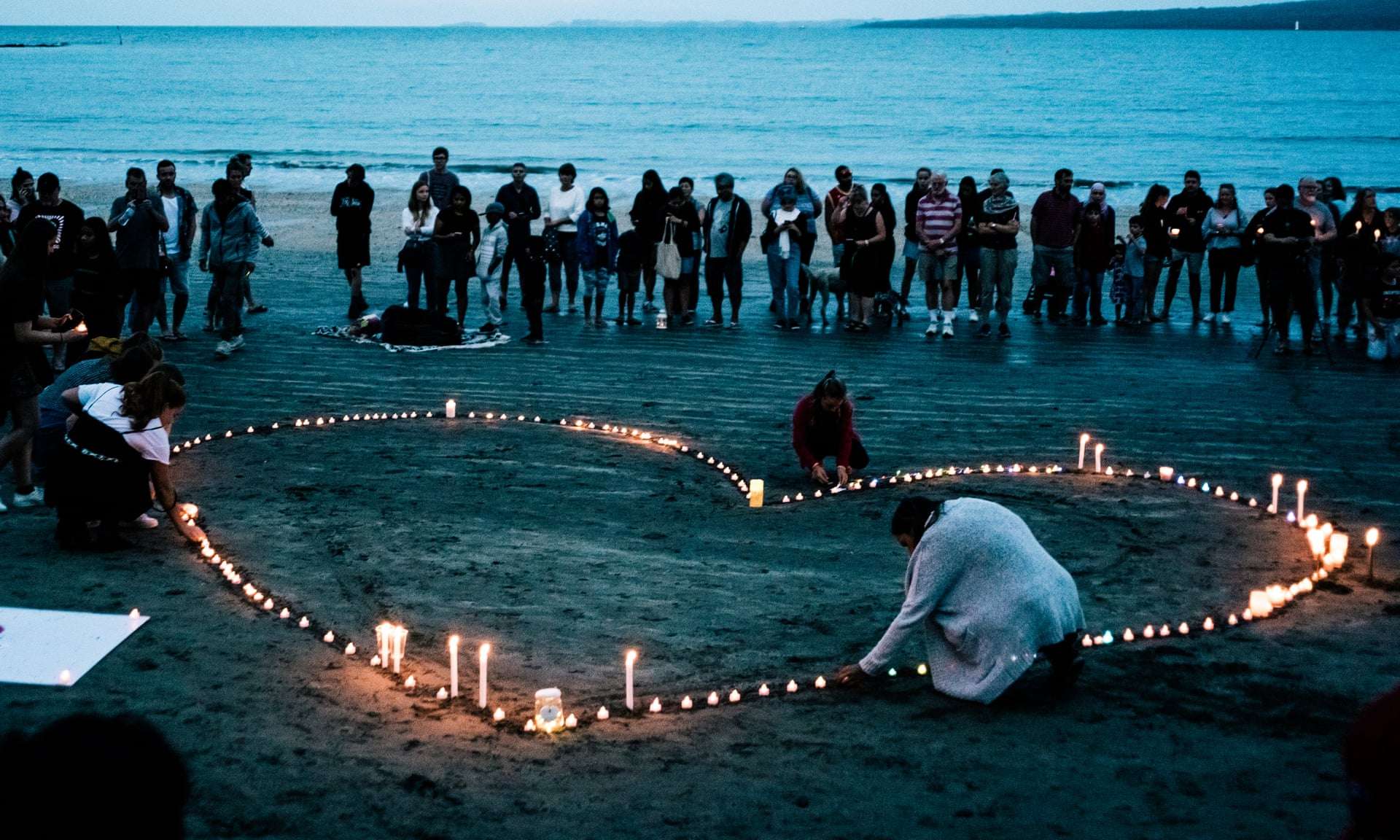
It seems personal because, although statistics may indicate that it is much more likely to die if we have an accident at home, we instinctively withdraw from the attack on the road, the city, or the last case, in New Zealand, the rest of the missing. And that we'll be next to take over.
Terrorism always seems close at least in an environment that looks like the one we live in because shocking images on our television phones erase the distance between us and the source of danger. It always seems young because even though each attack follows a time stretch similar to each other the first reports between chaos and confusion, statements by politicians and police, analyses by commentators, identification of attackers and victims, condolences and flags in half-point, debates on radicalisation and so on. In the '70s, terrorism expert Brian Michael Yankees gave the famous statement that <x0-95 terrorism was theatre”. This briefly captures the spectacular and spectacular nature. These days, it seems more like an endless TV show that everyone wants to end up and that they look forward to.
That Brenton Tarrant, the 28-year-old Australian who killed 49 people who were praying at Christchurch's mosques, recorded his Facebook attack via a camera mounted on GoPro helmet is the culmination of evil, yet the logical and unfortunate flow.
Most people may think that the technological changes that have affected terrorism are weapons and explosives. But the major change in this has happened a long time ago. Dynamite was patented in 1867 and automatic weapons spread after World War II. If terrorists have occasionally used chemical weapons or planes, most modern attacks use technology that, in its essence, is not new. What has changed and is no longer known are media that allow individuals and groups to deliver their messages.
The significance of this defeat is because we are too focused on violence. Terrorism is propaganda through action, the term associated with the 19th century by the first modern practitioners. Violence alone is not enough. But violence has the ability to terrorise and inspire reckless fear and change thinking but also radicalise and mobilise as well. It has the power to send messages to enemies, supporters, and perhaps most important, those who are indifferent to them. Al-Qaeda and I The SIS made this clear. So is Tarrant's manifesto. Any change in media technology over the last half century has made it easier for terrorists to achieve their goals. In the years é50 and ʹ60, radio and photogazetaria meant that violence could influence public opinion even tens of thousands of miles away in colonial powers. Thus, extremists chose terror tactics in the last days of the British mandate in Palestine and during the Algeria war for independence from France.
In the '70s, terrorists were quick to grasp the potential of television broadcasts. The terrorist attack on Israeli athletes at the Munich Olympics in 1972 had been carried out live by world networks. The terrorist operation was designed to exploit this new capacity. At 90, it was the arrival of satellite televisions. It was no longer Western editors or those who worked for Arab regimes to decide what news to broadcast. Communication channels were becoming more direct, and this was greatly strengthening militants. On September 11, 2001, Osama bin Laden knew that no one would stop images of the lives of his group's mass attacks on the US and expected that event to be witnessed by two billion people in the Islamic world.
And then came the biggest change: the digital. As media organisations evolved, so did the terrorists. There were journalist citizens who followed broad instructions but who were not formally associated with organisations and terrorists, which came to the surface. Mainstream media were getting too high. Why fight to get to the BBC or al-Jazeera when you could create your own channels and reach your audience directly? Isisi testified to how effective this can be.
Right extremists were slower to seize the potential of this seismic change. Now, with the attack on Christchurch, they said they got him. There were live broadcasts of terrorist attacks even before the French extremist who released live transmissions of the knife to police and his partner in 2016.
It's often said that we have the media we deserve, but this is very simplified. But the media, such as terrorism, are part of our societies and, like terrorism, are influenced by wider trends. Maybe the strongest element here is how in New Zealand the film was an integral part.
“Let's start the party,” Tarrant said until he got in the car, talking directly to the audience. He used to put himself on camera in what he's known to be the most container phenomenon: self. It was not only to kill Muslims but also to make videos of someone killing Muslims.
Tarrant said in his manifesto that he did not want to die, but admitted that this could happen. But he will still be seen as a martyr of the cause by supporters. The word martyr is of Greek origin and refers to the witness. The equivalent in Arabic has similar roots. The Witnesses were visited by an audience or, contrary, their actions are empty. For some terrorists, that witness is only God, but these are few. For the most part, that audience, through Facebook or virtual pages that are not controlled in dark angles of the web, through the Mainstream media, is each witness.
In Tarrant's world, in his live video, in his mind and his supporters, he's a warrior, a racial hero, a leader, but also in a corporate and media star sense, even if only for a moment. In a terrible and elaborate way, he sé is wrong. /Periscopi