2 days ago
US, Kosovo defence power EU cannot also isolate citizens, and say remove tax

Periskopi(7 years ago)
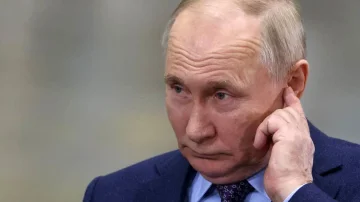
(7 years ago)What is now happening with Kosovo is following the logic of the new world order, the world order of Donald Trump or Valdimir Putin, rather than the logic of the UN or the EU. And so it is no wonder that Kosovo's most important lawyer is the US, while Russia supports Serbia's positions. Russia in [...]
Here in Europe's suburbs, the areas of interest are being spotted: After Montenegro joined NATO last year and Macedonia after resolving the name issue could soon join the Western defence alliance, while in the Balkans only three unexplained political affiliations will remain: Bosnia and Herzegovina, Kosovo and Serbia. Even after years and decades of repeated diplomatic efforts, especially on the part of the EU, very little has been achieved in terms of decomposition, and the situation is not known what direction it is taking.
The Weakness of Multinational Organizations
But in this same line, recent developments in Kosovo are a symptom of the weakness of multilateral organisations, particularly of the EU and the UN. In an effort to balance the conflicting interests of their members, they are unable to give clear statements. True, alarmed at the events of the last few weeks, all appeal for mode - making, but these appeals do not fail.
Especially has the EU lost not only sympathy but also authority, because it is unable to keep its word on the prospect of membership, as in the EU ranks the trend against integration of the Western Balkans is not falling, but is growing. Western Balkan politicians have long understood this and are following their agendas: These have to do with preserving personal power and with national interests in the economy and security issues. The beautiful world of the values of a united and democratic Europe is no longer in the first place.
Internal Policy Benefits From Tensions
And so there are areas of action that do not aim for bilateral co-operation in the region, but the realisation of particular interests even by imposing restrictions, such as 100 per cent customs duties on Serbian goods and the establishment of the Kosovo Army. The dream of uniting all six Western Balkan states in an economic area, thus avoiding citizenship conflicts for the time being seems to have been vanturized.
Instead, we're looking at muscle games. Opposers have taken positions. And this benefits both sides. Viewed from their perspective, statements by the president of Serbia and Kosovo at the UN Security Council were completely successful: There were only a few appeals from the UN, but without pressure, so nothing concrete. Much more important: Both presidents were able to tell their people inside the country that they represented and dignified their interests before the whole world. Therefore, current tensions are strengthening the respective presidents. And they are helping them to avoid the many problems each one has in their own country.
Europe is losing its chance
The founding of the Kosovo Army is truly, in the first place, a symbolic act. But Kosovo thus clearly shows us that it can refer to its right as a sovereign state and is presenting itself with new awareness. Ten years after declaring independence and 20 years after the war in Kosovo, people no longer want to be second-class citizens, having around countries that are members of international organisations and citizens whose citizens enjoy freedom of travel. The EU, on the other hand, is still failing to actively engage in the Western Balkans and understand it as the region of chances. Its countries reject Kosovars the right to visa-free travel, but in turn require the removal of customs tariffs. That's right with Europe's logic, but not with the logic “the new world”. Even the EU-led dialogue between Serbia and Kosovo has stalled in the country. That's why Kosovo wants the US to get it involved in dialogue. And no wonder!
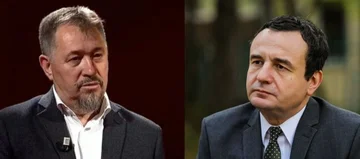
The letters that US President Donald Trump has now sent to the Thaci and Vucinq presidents, inviting them to the White House, were also made known to celebrate a “historic agreement”. This reminds us of “Camp David” But there is still no agreement, no constructive dialogue. And as such, Europe has the chance to intervene and show more determination in representing its interests and not to leave this ancient and important region of Europe in the mercy of fate or other influential powers.
(Adheid Feilcke is founder of the Albanian section of Deutsche Welle, now director of the Department of Europe in German media for the outside world)