19 minutes ago
A gang has cleaned up millions of euros in Germany

Periskopi(8 years ago)
(8 years ago)A gang of criminals has for years laundered the drug money of South American cartels in Europe and mainly in Germany. The accused are at the dock at the court in Paris. The Belgian German border in Ahen-Liftenbush, late August 2015. It's afternoon when German federal police control a Mercedes [...]
A gang of criminals has for years laundered the drug money of South American cartels in Europe and mainly in Germany. The accused are at the dock at the court in Paris.
The Belgian German border in Ahen-Liftenbush, late August 2015. It's in the afternoon, when German federal police control a Mercedes Class C car with Bremen plates just entered Germany from Belgium. There is a young man driving, and as a passenger is from Lebanon, and he lives in Bremen. Both say they were in Belgium for shopping. During the search, police seized in a sports bag hidden under their underwear, 489 thousand euros in small cuts.
Further investigation into Esen's customs revealed that the bag had traces of cocaine. Unawarely, investigators had come across two members of a group dealing with the smuggling of luxury watches, jewelry and cars worth millions in Europe, Perandomore Africa, and the Middle East. Investigations filled hundreds of pages, pointing to a global cocaine network and money laundering.
Network in Western Europe
In February 2015, US DEA agents, Drug Enforment Agency, managed to wire calls from a Colombian drug cartel, who talked about drug transfers to South America. This information was followed by the beginning of an investigative process in France, which resulted in hundreds of calls being tapped and secret surveillance measures taken. Investigators established a network of information that spread throughout Western Europe and had branches in the Middle East, Africa, and South America.
A total of 14 people currently detained are at the dock of the accused for washing millions of euros extracted from the drug business. Nearly all of them are Lebanese citizens or are related to Lebanon. Investigators have called the process “Cedar”, English for pine, the tree on the Lebanese flag. Investigators think the network was active in Europe, but it was run by Lebanon and washed in the best times 1m euros a week, even in Germany.
From Lebanon to South America
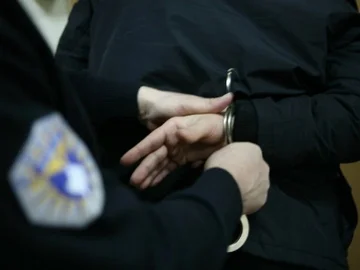
At the end of the investigation, in January 2016, police conducted raids in six countries, arrested the accused and confiscated more than 800 thousand euros in cash. Homes in Dusseldorf, Münster, and Bremen were also searched in Germany. Four people were arrested.
The group has been organised by hierarchy. Some members, such as those caught in Ahen, have gathered money extracted from the drug business in Belgium, Spain, Italy, France, and Germany. This money has been given to other members of the group, who have purchased jewelry, luxury watches, and expensive cars for sale to Lebanon. Money earned by the sale has been sent from Lebanon to South American cartels, which have brought cocaine to Europe. Meanwhile, investigators have also raised the question of whether all this work is done by order of Hisbollah. But allegations of terrorism financing are not part of the indictment, apparently because evidence is missing.
“They didn't know about the drug trade.“
Germany has also been the site where the activity of illegal businesses has been practiced. Two accused, lived in Munich and Dusseldorf, two others in Bremen. The process will not leave four German jewelry vendors unpunished. Inquiries have shown that between 2011 and 2015 these jewelry stores have received 20 million euros from persons mentioned. In hand, in plastic bags. Jewelers are only accused of favouring money laundering.
One of the accused, Ali Z. From Mynster, he told the media he was innocent. His trade, successful legal exports, has been exploited by others and that he has not known about the drug business. / DW/