19 minutes ago
In the African state, this rare breed of people is killed because of superstition (Video/Photo)

Periskopi(8 years ago)
(8 years ago)In Malawi, albinists are killed for smuggling their bodies; children and adults are tormented to death with machet knives and kitchen knives. More than 115 people have been attacked in the last two years, where 20 of them resulted fatal. Those who survived these attacks feel physical pain and psychological fear with [...]
But why does this happen? Most people speak of an elusive market for these body parts, people who are willing to pay large sums of money for witch doctors who use them as drugs to treat everything from bad luck disease.
Below “Alzeera” has prepared a report on the victims who were part of the attacks, Periscopi broadcast.
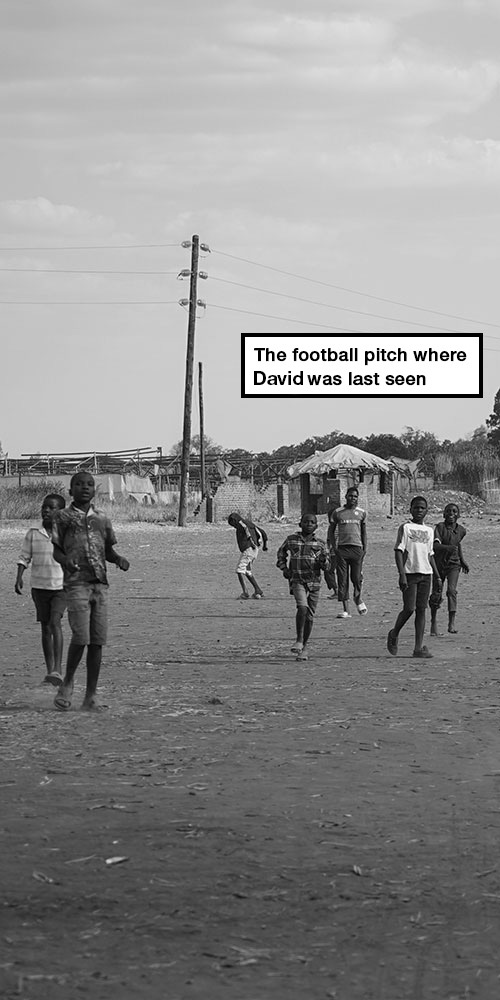
David's story was Sunday, April 2016. A warm, dry day. 17-year-old David Fletcher was upset to get out. He wanted to watch a football game at a local school instead of helping his family harvest corn in the fields. His parents allowed him to go watch the soccer fight.
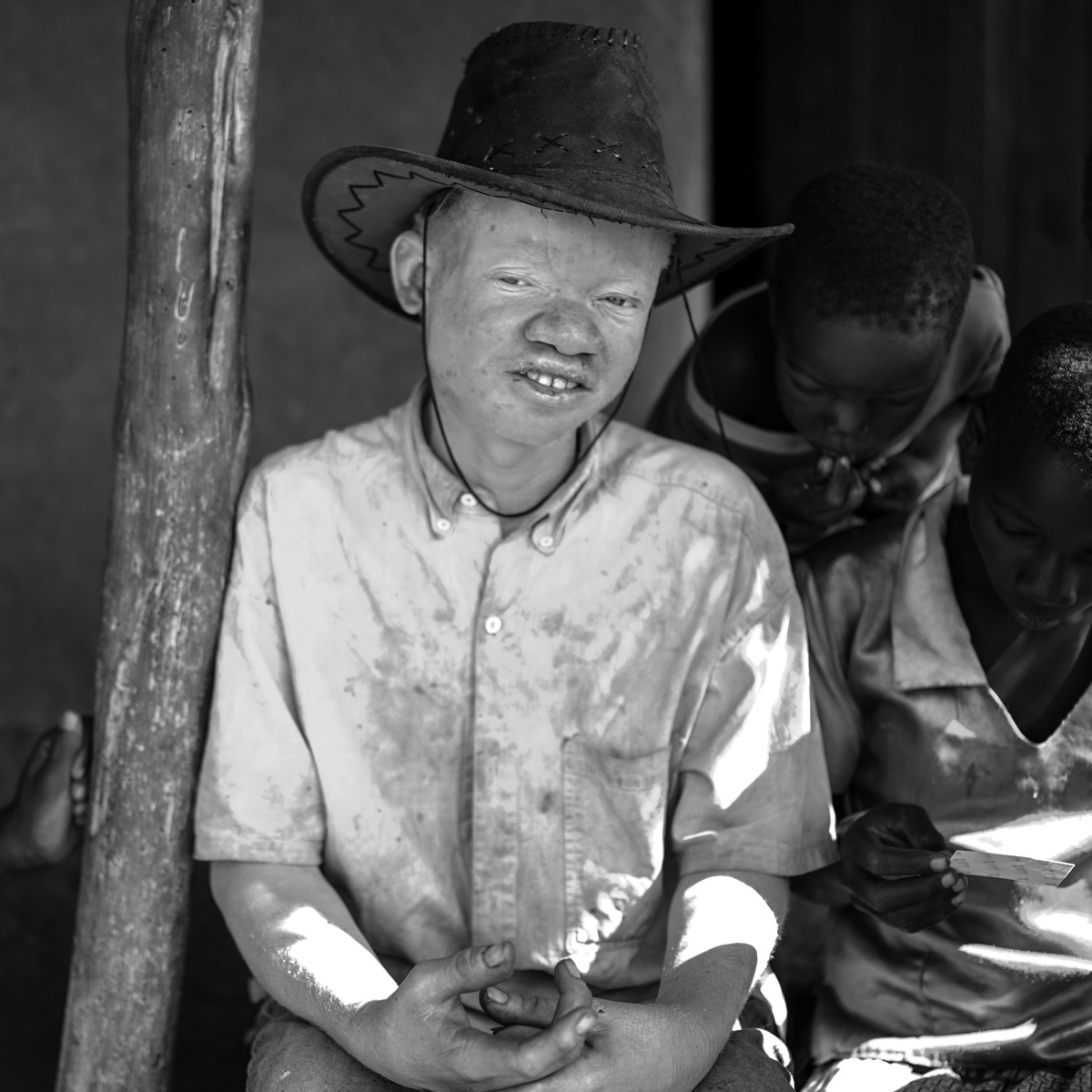
When he did not return home late in the day, the entire village searched for him but could not find him.
His family the next day had reported their son's loss to the police station.
A week later, the local police chief came to their house to announce the news: David's body was completely dissolved and found in the vicinity of Mozambique about 50 miles [80 km]. His body was decomposing, he had announced.
Born in 1999, David was the fifth child but the only one born an albinist.
I wasn't surprised when he was born as such”, his mother says. I was happy with his “
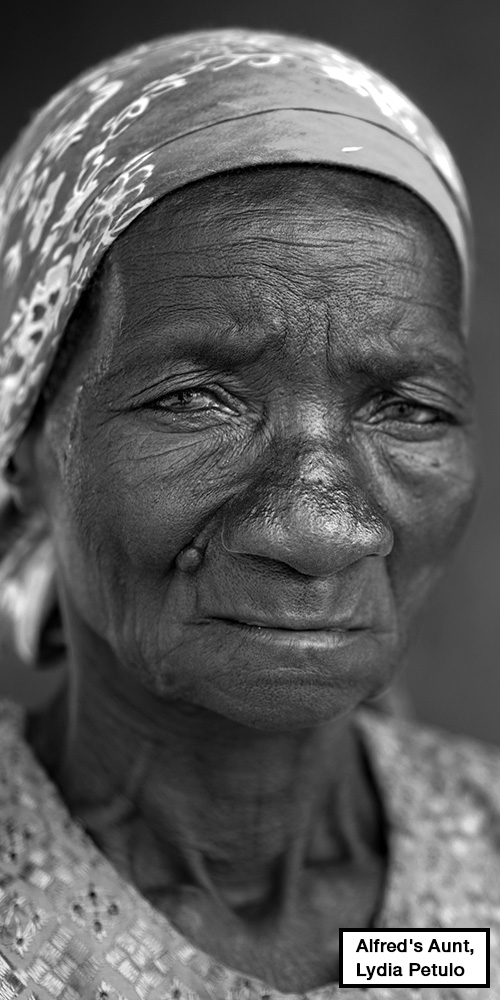
Alfred's 17-year-old Alfred Chigalu's story had lived with his aunt in a mud house surrounded by dead flowers.
The nearest neighbor is five minutes away along a paved road through the big grass. It takes 20 minutes in all the dried tobacco fields to get to the main road.
Drought has hit this difficult region, and while high mango trees provide shade to farmers, they do not bear fruit. The climate here is tough. Cultures are often devastated by droughts or storms of violent hail. Like others in the village, Alfred and his aunt, Lydia Petulo, are surviving with pieces of corn from last year's harvest.
The goats in the courtyard are not their own. In December 2015, four men broke Alfred's door of sleep while he was sleeping. They cut him with the type of Macchete knife, hitting him on the back of his head, on his shoulder and on his back.
They tried to kidnap him. When his aunt found him bleeding, the attackers fled. Alfred survived, but with serious consequences. Now, the slightest voice awakens him, and when he goes to the village he must associate with someone.

But what is the history of violence against albinists?
Loaned by the word “albus”, which means white Latin, albinism is an inborn disorder where the body is unable to produce enough melan to obscure the skin, hair, and eyes.
This non-stick disorder affects about one in 20,000 people worldwide. But it is most common in sub-Saharan Africa, where one in 5,000 have this rare disorder. Most of it is in Mozambique, Tanzania, Burundi, Kenya, Zimbabwe, and South Africa.
In Malawi, a country of 16.5 million people, there are reportedly between 7,000 and 10,000 people with albinism. Why this affects this part of the world disproportionately is unclear.
And it's not just a question of color: lack of melanin often results in a poor vision and sensitivity to light. In fact, many people with albinism are legally blind.
Because their skin is particularly vulnerable to ultraviolet rays of the sun, they can also be predisposed to skin cancer.
According to a 2014 study, people with albinism in Africa are 1,000 times more likely to get skin cancer than others.
But their condition is not only medical.
The history of discrimination against people with albinism is an old but not necessarily well documented. She was driven by myths and superstitions./Periscopi/