8 minutes ago
Brave Albanian naked during trial in 1947 to show the wounds of investigative (Photo)

Periskopi(9 years ago)
(9 years ago)A scripture by Agusti Miraca relates a very interesting event: Early in 1947, without the MP's mandate being lifted, they were arrested: Riza Dan, deputy of Shkodra; Shefqet Beja, deputy of Durres; Enver Saban, deputy of Durres; Selaudin Toto, deputy of Gjirokastra; Irfan Majun, deputy of Debar; Faik Shehu, deputy of Debar; Costa [...]
A scripture by Agusti Miraca relates a very interesting event:
Early in 1947, without the MP's mandate being lifted, they were arrested: Riza Dan, deputy of Shkodra; Shefqet Beja, deputy of Durres; Enver Saban, deputy of Durres; Selaudin Toto, deputy of Gjirokastra; Irfan Majun, deputy of Debar; Faik Shehu, deputy of Debar; Costa Bosnjak, Tirana MP and Gjergj Cocoshi, deputy of Shkodra, the first education minister after World War II.
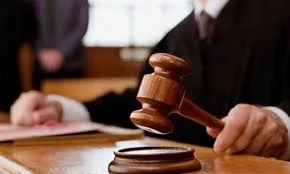
The trial took place at the “17 cinema November” (nationalist) in Tirana, with the same interior and external decoration, with the same slogans thrown by the frustrated crowd, as well as in the Special Court held at the “Kosovo” cinema.
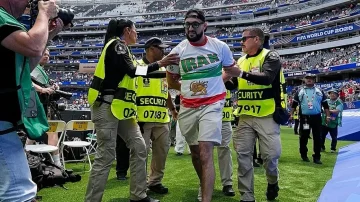
Shefqet Beya had the courage to strip in the courtroom to show the court and audience in the hall the wounds caused by red iron on her chest and back. A large portion of the defendants, under the effect of torture, admitted that they had created a <x0-rup opposition” to establish a capitalist regime in Albania. The decision was issued at the end of September 1947, and it was unpopular.

The End of the Trial
Following the testimony of the 24 defendants in the MP Group trial, that trial, which was mounted at the end of the State Security, was closed on September 27, 1947, when the wait and decision of the Military Court were read. Almost all the evidence that was read by the defendants during the trial was either taken by physical and mental violence during the investigation or by the security and investigators themselves, and the defendants were forced to read them in court.
But it must also be said that the defendants of that process and those accused of having connections, the majority were graduates in the West, and with social-democratic trends aspiring to true democratic ideals and did not hesitate to express openly those ideas that conflicted with the communist regime of violence that was then deploying Enver Hoxha.
In this prism, that large group of intellectuals was also the hope of political fugitives in the mountains of Albania, whose names were presented to the Anglo-Americans, to show them they had great support in the country and expected their landing to overthrow the communist government of Tirana.
By that mounted process, Enver Hoxha, first intended to subdue and eliminate the true democratic opposition and second to present those before the people as enemies associated with criminals and foreign agents. To achieve these goals, Enver went to the end of his goal and ordered the execution of 16 defendants of that process and severe sentences for dozens of others from various circles who were accused of links and co-operation with the MP group. /Conica.al/