4 days ago
Vetevendosje Lost or Won in October 22nd Elections

Periskopi(9 years ago)
(9 years ago)First round of local elections is over. Half of Kosovo's municipalities went to the runoff. The results thus far were interpreted say in the choir as victory for the Democratic League, and as a defeat for Vetevendosje Movement. As for The PDK, the decline was expected and unbewarming, and therefore, this party survived a further analysis. [...]
First round of local elections is over. Half of Kosovo's municipalities went to the runoff. The results thus far were interpreted say in the choir as victory for the Democratic League, and as a defeat for Vetevendosje Movement. As for The PDK, the decline was expected and unbewarming, and therefore, this party survived a further analysis.
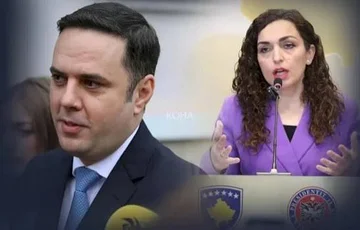
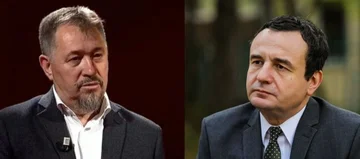
The reaction of party leaders in question, meanwhile, is quite symptoms. The LDK celebrated and was engulfed by the euphoria of victory. Is Mustafa smiled, something he rarely does. Kadri Wessel also interpreted his party's outcome as a victory, but that doesn't surprise anyone since everyone is accustomed to this party's festive delta, despite the results they get. But a strange reaction was given to Albin Kurti. He said Vetevendosje's result was not satisfactory, and that his party should make self-critics and see shortcomings in legalisation.
But the symptoms of what are these reactions? In the first place, of legal dynamics within political parties. The LDK's satisfaction with a slightly better success proves that this party has no interest in radical changes in the country. A party in reform, as the party claims to be, should practically be more reserved and reluctant to deal with municipal governments. The party's legal performance, without clear involvement in the centre, in the government, is completely impossible. The PDK's satisfaction, meanwhile, is genuine and understandable because this party functions through the blindness of power everywhere. Communists, universities, schools, and other public institutions. While Vetevendosje's discontent is not genuine, it is done precisely for the central element that characterizes the party: reforming in legalisation.
Why didn't Vetevendosje try to win many municipalities?
In the first place, because Vetevendosje says it engages, not just for minor and trivial changes, but for radical changes. Its entire legalization of Kurti speaks of produces the image of this radical type of change that is needed for society and state. Victory in many municipalities would be a terrible setback for the movement he leads, because it would make a huge legal expansion, offer a local power that would not succeed in touching the roots of society's problems. Movements targeting radical changes are engaged in changes from the centre and that's quite simple to understand. There are more than evidence of Vetevendosje's problems in the Pristina municipality, right on the legal level, in maintaining the idea that this party offers something radically different from other parties. Pristina, since it is the capital -- and most connected to the centre -- is easier and manageable. But imagine if many municipalities around Kosovo were won? This would create many problems in maintaining the image that Vetevendosje has produced for herself.
From this score, Vetevendosje's election outcome is quite good. The evental victory in Pristina, Prizren's Kamenica, would not jeopardise its image. As for Kurt's statement, it must be understood, like any other statement, within the political position. So it's pointless to think that a politician can make honest, unpolitical statements. Kurt's got a clear path ahead of him. And, governance in no municipality would serve better than the failure of Vetevendosje officials close to corrupts, and that keeping PDK statement as a lie “the same heads of”. /Periscopi/