4 days ago
Russia's latest action, we all need to worry

Periskopi(9 years ago)
(9 years ago)Russia's cyber interference in the 2016 presidential elections was accompanied by what American and European experts described as a disturbing Kremlin campaign to rewrite rules for global cyberspace. A Russian proposal for a United Nations “Convention on Co-operation in the Fight Against Information Crimes” [...]
Russia's cyber interference in the 2016 presidential elections was accompanied by what American and European experts described as a disturbing Kremlin campaign to rewrite rules for global cyberspace.
A project of a Russian proposal for a UN <x0-convention on Co-operation in the Fight Against Information Crimes” was recently introduced by a security expert who had a copy.
The 54-page document includes 72 proposed articles, covering the collection of internet trafficking by authorities, <x0 behavioral codes” for cyberspace and “joint” of malicious activities. The language sounds bureaucratic and harmless, but experts say if approved, it would allow Russia to squeeze more cyberspace.
The proposed Kremlin convention would enhance the ability of Russia and other authoritarian nations to control communication within their countries and gain access to communications in other countries, according to some top US cyber experts.
They described the latest project as part of Moscow's push over the past decade to shape the legal architecture of what Russian strategists call “the scope of information”.
The proposal was conceived by the Kremlin earlier this year and outlined in a April 4th article in Kommersant. The daily reported that the Russian foreign ministry had described the convention as a <x0inovative effort” and <x2Universal” to replace the 2001 Budapest Convention, which has been signed by the United States and 55 other countries, but has been rejected by Russia. Kommersant said Russian “authorities saw a threat to the country's sovereignty” in the Budapest pact
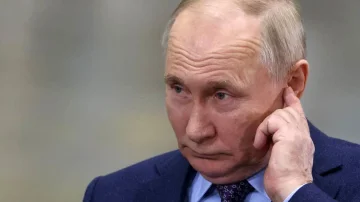
Russia's bid to rewrite global rules through the United Nations coincided with a personal view of cyber co-operation in July by President Vladimir Putin with President Trump during the G20 summit in Hamburg. Putin “strongly denied” Trump that Russia had intervened in US elections, Trump said in a tweet.
Trump then unveiled a secret proposal: “Putin and I discussed forming an impervious cyber Security unit in order to avenge elections, and many other negative things, to be preserved and to be sure”.
Trump's suggestion that America join Russia in provoking a storm of reactions in the United States. A commentator wrote on Twitter: “This is like The FBI asked the mafia to form together a unit against crime”.
The White House withdrew after Trump's statement. Interior Security Adviser Tom Bossert told reporters on July 14th: “I don't believe the US and Russia have yet to reach that point in cyberspace. And until we do that, we wouldn't have talked about partnership”.
Many US cyber experts share the Bossert view that although any formal treaty or partnership with Moscow now is reckless, calm discussions on confidence building can be helpful. They may include inter-military or technical contacts to explore how to avoid catastrophic cyber events that could harm strategic systems or pose systemic risks.
American and Russian officials had held such a dialogue to review rates for the internet, but so far have been a dead end. The Russians were headed by Andrey Krutskikh, a foreign ministry official who is Putin's cyber adviser; and on the American side, by Christopher Patinter, who was the cyber head of the White House under President Barack Obama and then cyber co-ordinator at the State Department, a post he left this year.
These contacts are sensitive, but they have disappeared after US-Russia relations have deteriorated. A high-level working group stopped meeting after Russia invaded Ukraine in 2014.
A group of UN-sponsored government experts on Information Security was merged in June after failing to reach consensus on measures to improve information security. Putin's bilatheral proposal in Hamburg disappeared soon after Trump's early approval.
The Russians, meanwhile, continue their campaign to regulate cyberspace under their terms, mobilizing allies to support their options to the Budapest convention; Moscow's biggest complaint is that the Budapest framework, at Article 32 (b), allows data owners to control their use instead of governments. Moscow wants state information control.
Russia received a global support for its efforts at a September meeting in Xiamen, China, so-called BRUC countries: Brazil, Russia, India, China, and South Africa
In their official statement, the “countries recognise the need for a universal regulatory instrument for combating the criminal use of ICTs [information and communication technologies] under UN auspices”. Countries “welcome Russia's” initiative in seeking such a binding pact.
If last year's events have taught us something, this is that Russia views information as a crucial political weapon and wants to control this possible battle space.
The global regulatory side of this race receives little attention, but it can help determine whether open channels of information will survive the Ottoman era. The Washington Post