3 hours ago
The lack of these vitamins and minerals is accompanied by premature hair bleaching
Periskopi(12 hours ago)
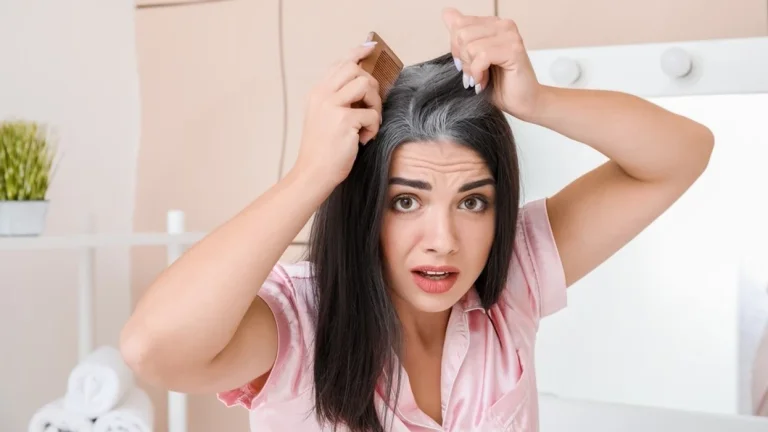
(12 hours ago)Doctors are increasingly reporting cases of full gray hair to people in their 20s and 30s, and new research shows that lack of vitamins and minerals play an important role.
Genetic remains an important factor, but dermatologists say the diet plays a much larger role than previously thought. The most common is vitamin B12. A study on a new Indian population showed that people with premature grays had markedly lower levels of vitamin B12 in the serum than those whose hair did not go out of their hair.
Data on Pinnicious anemia, a condition that makes vitamin B12 difficult, attracted additional attention. Among people with this disorder, about 55 per cent became gray before the age of 50, while among those without this situation, the percentage was approximately 30 per cent.
Researchers have also noted lower levels of vitamin D and calcium in premature gray people. A 2013 case-control study conducted in a semi-urban area in India also showed a genetic predisposition, meaning that the cause is not only legacy or diet.
Bakri is also important in this story because he participates in the work of thyroid, a key enzyme for melanin production. A broader review of scientific works also showed lower levels of vitamin B12 and folic acid in premature gray patients, while biotine levels did not change. A link to the lack of copper has been reported in several groups of patients, but researchers are still considering how strong it is.
Iron is also mentioned, as it is linked to enzymes involved in the production of melanin, but the data on this connection are not uniform. In addition to shortages of vitamins and minerals, oxidative stress, autoimmune diseases, thyroid problems and smoking have also been cited as potential factors. Scientists therefore believe that premature grays are part of a more complex health mosaic, not the result of a single cause.