11 hours ago
Did your feet rise during the summer? Here's how you get away with it.
Periskopi(16 hours ago)
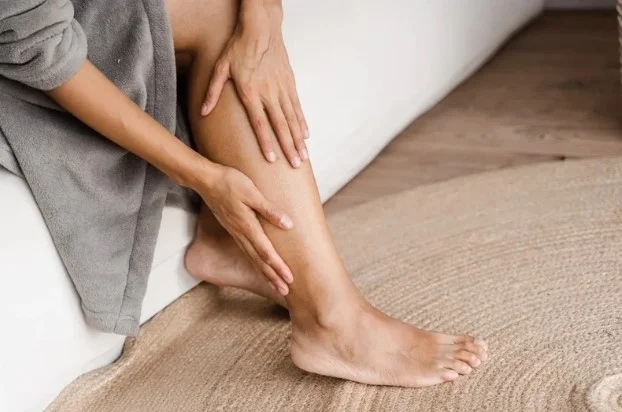
(16 hours ago)In the hot summer days, feet, joints, and feet are very common to swell. High temperatures cause the expansion of blood vessels (study), which makes it more difficult to return blood from legs to heart. As a result, fluids accumulate in tissues and create swelling, severe feelings, and fatigue.
This phenomenon does not affect only persons with traffic problems. Even perfectly healthy people may experience swelling during the summer, especially if they sit for hours or on foot, travel for a long time, consume plenty of salt, or drink enough water. Women, the elderly, and the vulnerable are more likely to experience this problem, writes the U.S. The vision. tvPeriscope broadcast.
The trick recommended by angologists
The main advice of the specialists is to regularly activate “muscle pump” of the leg feather. Pulp muscles function as a natural pump that drives blood up to the heart. When we walk or move the ankles, the circulation improves and the fluid collection diminishes. If we stand still for long periods, this pump doesn't work properly and the swelling gets worse.
What you can do during the day:
Walk for a few minutes every hour if you work down.
If you stay on your feet long enough, pick up your fingers from time to time or move your wrists.
Avoid standing in the same position for many hours.
When resting, keep your feet a little higher than your heart level to facilitate ventilative return.
Drink water regularly all day long to avoid dehydration.
Limit very salty foods, preferring fluids.
Wear comfortable shoes that do not shake feet.
Feet lift.
Another advice is to use fresh water for the feet or hot showers to cool, especially at the end of the day. Low temperatures help blood vessels to return to their normal state and provide a sense of relief. In contrast, very hot baths, hay, or prolonged exposure to the sun can make the problem worse.