11 hours ago
Deaths from this cancer can now be virtually eliminated
Periskopi(2 days ago)
(2 days ago)It's the fourth major type of cancer for women worldwide, but new research shows that cervical cancer has found its own competition.
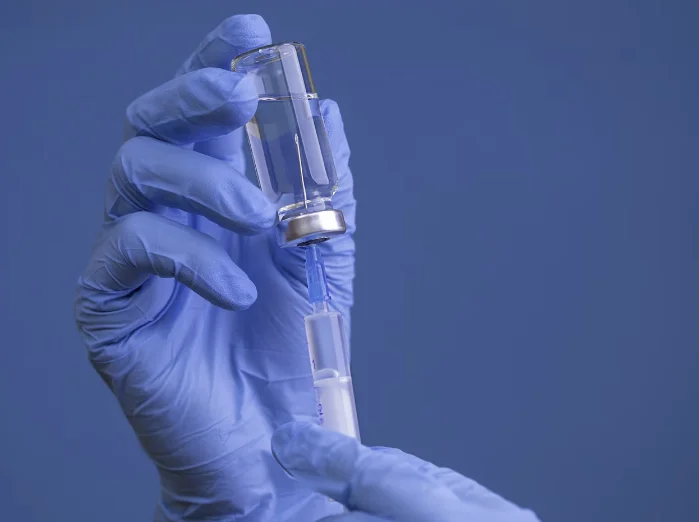
The vaccine against human papyrus (HPV), Gardisil 9, was subject to a newly published U.K. study that demonstrated an extraordinary and rare decline of 100 per cent of cancer deaths. For doctors fighting this cancer, which has a five - year mortality rate of just over 31 percent, the news is a refreshing statement that the medical community is making progress. The research vaccine is the same as the one given in the United States, reports nationalgeography, broadcast Periscope.
The study was published in The Lancet on June 17th, and leading researcher Peter Sassien, professor of cancer epidemiology at Queen Mary University in London and director of the Cancer Prevention Unit in the United Kingdom at the same school, called the results surprising"papas". This was because the study showed that in the group between 20 and 24 years of age, 90 percent were vaccinated against HPV did not die from cervical cancer.
I expected to see a drop in death from cervical cancer, but I didn't expect to see zero deaths for five years. I was absolutely satisfied", he says.
Here's what researchers discovered and what this means for the future of HPV and cervical cancer.
Study findings: Reduced mortality rate 100 percent for cervical cancer
The study itself considered the data from 2001 to 2024 on women from three age groups - 20 to 24, 25 to 29 years of age, and 30 to 34. Since most of the younger group had been vaccinated at age 12 or 13, this was the first group to have access to the vaccine. Older groups had different access, as some were offered vaccines until the age of 18 and chose to take it. In the age of 25 to 29, there was also a 100 - percent decline in deaths (zero), and those with less access or awareness of vaccines in the group 30 to 34, a 63 - percent decline.
"The effect is large,"says Sassien. We have reduced deaths from cervical cancer by at least 80 percent. "
Of course, since this was an observer study, he warns that in practical application, zero means no chance of death. I will not be surprised if there is one or two deaths in this age group when the data is available for 2025,"he says.
But the public health community decided to significantly reduce cervical cancer and deaths from cervical cancer, and they have achieved that. "
The reason for this amazing level of efficiency is perhaps because the vaccine generates a very strong immune response that is stable, the vaccine is given before exposure, and also because 9-valent vaccine covers the species that cause over 90 percent of cervical cancer,"adds Andrea Tufano-Sugarman, gynaecological oncologist at the Sloan Ketter Cancer Center in Komack, New York.
In addition to this study, an analysis released in May 2026 by the Minesta University's Center for Infectious Research and Policies found that vaccines against HPVs are effective and secure for patients, preventing cervical paracans and cervical cancer, along with the potential to provide protection against other HPV-related cancers. Analysis worldwide included 121 studies and suggests that even a single dose of vaccine can protect against HPV infection.
A May 2024 study published in the British Medical Journal showed that almost 30,000 women in England between the ages of 20 and 64 received a diagnosis of cervical cancer between January 2006 and June 2020. In addition, more than 335,000 women were diagnosed with CIN3, a touching change of cells in the cervical neck that could lead to cervical cancer. With the introduction of the vaccine HPV, the study found that girls who were vaccinated between the ages of 12 and 13 had a decrease of 83.9 per cent of cervical cancer diagnosis compared with women who were unexcidented. Likewise, the same girls had a 94.3 per cent drop in CIN3 diagnosis.
HPV vaccine history
In 2006, the first version of the Gardasil vaccine was approved for young US girls and women, and in 2014, Gardasil 9, a newer version, was adopted by the American Food and Bars Administration (FDA). Today, the Mayo Clinic suggests that girls and boys take the vaccine about 11 or 12 years of age or ideally before they are sexually active. Gardisil 9 has been approved for ages 9 to 45, and those already diagnosed with HPV can still benefit from it.
The vaccine is what Robert Franck, a pediatric at the Children's Hospital Medical Center in Cincinnati and director of the Vaccinate Research Center there, explains to his patients as a"vaxine to prevent cancer". Children's Research Hospital St. Jude shares that it prevents infection from nine types of HPV that cause cancer.
"Cancer of the cervical neck may last for years to develop after a HPV infection,"adds Franck. In addition, two thirds of head cancer and neck cancer come from HPV, and vaccines can help them, including oral sex cancer, as well as other cancers in areas affected by IST like vaginas, anus, penis and vulva.
Finally, and more convincing for the young men and men who are considering the vaccine, says Franck, it helps prevent the genitals.
Access and Disinformation
Since the development of the vaccine, doctors like Franck have encouraged patients to take the vaccine because of the high degree of success. But in the US, only about 63 per cent have received the two required doses, according to a September 2025 study published in Lancet Regional Health-Americans. According to Franck, patients struggle against myths around it, causing infertility and even making children sexually active - both claims groundless.
While Americans in the United States fight dezinformation, globally, it is more a problem with access, not with accepting the vaccine.
( HPV is more common than you think. Here's what doctors want you to know. )
There are also implications for unserved areas, both global and national,"says Tufano-Sugarman.
For mothers and fathers, this is motivation,"she says.
US “, completion of vaccine series HPV to 13 to 17-year-olds is only about 64 per cent, well below England's 90 per cent coverage. There is room for improvement, and there is no place we can afford to neglect it. ”
What experts want you to know about the vaccine now
Franck shares that this new study can help inform patients of the full positive effects HPV can have in the future. Stephanie Alimena, gynaecological oncologist at the Dana Farber Cancer Institute and the Brigham and Women's Hospital in Boston, says this means everyone, and I mean everybody, should take the vaccine... The more people are vaccinated, the more immunity the flock has and the lower the rates of all HPV-related cancers.” She adds that the news is"is so exciting"because for nearly 20 years, doctors have waited for these expected results.
For those currently qualified for the vaccine, this data turns a theoretical recommendation into a rescue recommendation”, says Leeya Pender, gynecological oncologist at the UC Cancer Center in Cincinnati, Ohio.
If a child is vaccinated at age 12 or 13, their risk of dying of cervical cancer before the age of 30 is essentially zero. ”
However, this new research does not change the actual treatment options for those who already live with cervical cancer or paracancer. “While we need to focus aggressively on expanding access to consideration, secondary prevention and high quality oncology care, we cannot abandon or forget support for innovations for women who are currently dealing with neurox1>, says Pender.
Although there is still much work to be done, this week cancer and global health communities are taking zero death research as a victory. Pinger says, “The single most important statistics is zero. ”/Periscope/