12 hours ago
Why can't some people piss while they're away from home?
Periskopi(2 days ago)
(2 days ago)It's not just embarrassing or ashamed. Shame bladder syndrome is related to anxiety and can severely limit everyday life, but treatment can help
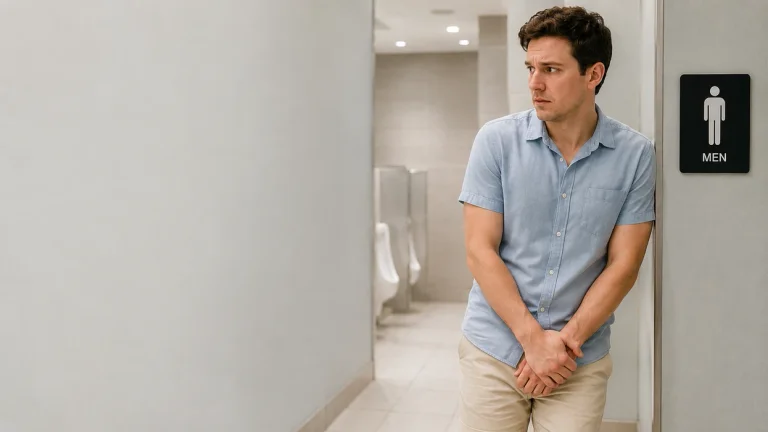
Disgusting bladder syndrome known in medicine as Parurese, it's a form of social anxiety that makes it difficult, sometimes impossible, urinating in public toilets or having other people around. People with this condition usually avoid toilets outside their home, while in more serious cases, it can affect work, travel, social relations, and quality of life.
While the person is physically able to urinate, anxiety causes bladder muscles and urinary leftovers to become tense and not relax enough to allow urine to flow. The problem, therefore, is not always associated with a bladder disease but with a body reaction to fear, shame, or psychological pressure.
This situation is also known by other names, such as “freeka from urination”, “psychogenous urine” or “urophobia”. If not treated, the wig can severely limit everyday life. Some avoid traveling, dating, public places, or even work just out of fear of being able to use the toilet when needed.
Who's most endangered?
The monument can appear among people of various ages, including children. People with other forms of anxiety are more likely to develop this situation. The danger may be higher for those with general anxiety disorders, panic attacks, obsession-compulsive disorder, mental health stories, or previous unpleasant experiences.
In some people the problem may be related to a shameful or traumatic experience in the past, such as ridicule, harassment, or some disturbing public toilet experience. People who are more sensitive, shy, or keenly aware of the presence of others may feel especially uncomfortable when they should pee outside the house.
Anxiety may increase in certain situations: when other people are in the toilet, when one thinks that someone can hear it, see it, or smell it, when he feels rash, when he is out of privacy, or when he tries to force himself to pee. The more he tries, the more tension increases and the problem becomes more difficult, writes Cleveland Clinic.
What are the symptoms?
Symptoms can be light or very serious. Some people can pee alone in the house when they're all alone. Others may have difficulty only in public toilets, at jobs, on trips, or in areas where they are not safe.
Paruresis often avoid drinking fluids before leaving the house, looking for toilets where they can be alone, wait for the leak to begin, or use “truke”, such as opening a faucet to hear the water noise. Some may also experience signs of anxiety or panic, such as drying the mouth, sweating, dizziness, or rapid heartbeat.
In the worst cases, a person may stop traveling, avoid work, social events, and exits. This can harm relationships, professional life, and emotional state.
How is diagnosis established?
The diagnosis is usually established after the doctor examines the patient's symptoms and history. If a person pees normally at home but finds it difficult when he is outside, the doctor may suspect the paraures.
Before the problem is attributed to anxiety, however, other medical causes that can make urination difficult, such as urinary infections, nerve injuries, urinary jams, or side effects of certain drugs should be excluded. For this reason, urine, blood tests, physical or ultrasound of the bladder may be required.
How is the wig treated?
Treatment depends on the degree of the problem and its impact on everyday life. One of the most popular methods is cognitive-bieevioral therapy, which helps the person understand and change the way he reacts to anxiety.
Also used can be gradual exposure therapy, where a person with the help of a therapist or a trusted person learns step by step to use toilets outside the home, first in more controlled conditions, and then in more challenging environments.
Some include breathing exercises, meditation, psychotherapy, hypnosis, or anxiety reductions. In particular, when a person cannot urinate outside the home, temporary catatherization can be used to empty the bladder, but this is done only by medical instruction.
What can happen if not treated?
If left untreated, shameful bladder syndrome can cause significant social, professional, and health problems. Long - term urine can increase the risk of urinary infections, bladder muscle weakness, urine failure, and, in very serious cases, serious bladder complications.
Many people improve significantly with proper therapy and treatment. With the help of professionals, anxiety can be managed, while the person can gradually regain control and freedom to function normally in everyday life. /Periscope