an hour ago
Iran's attacks damaged 20 American military bases since the beginning of the war, show satellite images
Periskopi(a month ago)
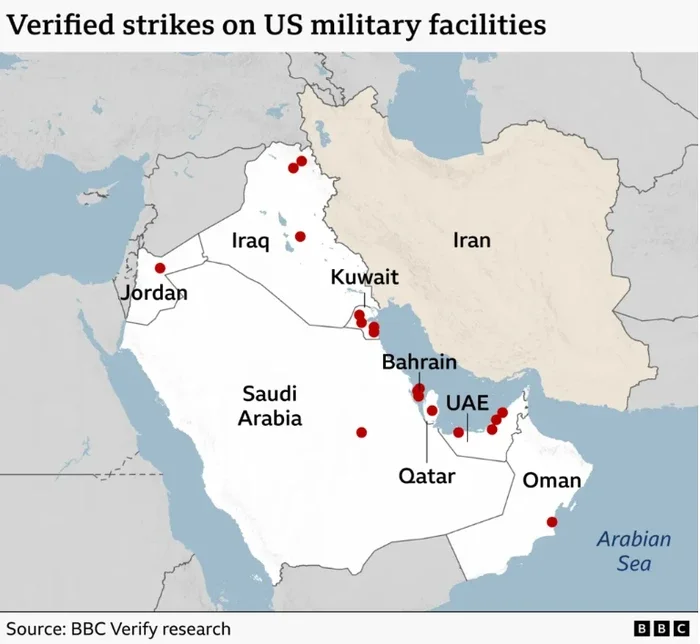
(a month ago)Iran has damaged 20 American military bases since the beginning of the war, showing satellite images and videos analyzed by BBC Verifu, suggesting the attacks are broader than publicly accepted.
Iran has targeted key objects in eight countries in the Middle East since late February, causing millions of dollars in damage to the latest air protection systems, jet fuel supply and radar, the BBC's script said.
Tehran has targeted both US and joint military bases in retaliation for US-Israel attacks on Iran and Lebanon over the past three months.
The Pentagon says it has hit more than 13,000 targets in Iran since the beginning of Operation “Epic Fury”
In a statement Tuesday, he claimed that the Middle East was no longer a safe"location"for American bases.
And it's by writing BBCWhile the White House has repeatedly confirmed that Iran's army is almost destroyed, analysts said damage observed in American objects suggests Tehran's counterattacks have been more accurate and wider than American officials previously accepted.
The US have sought to limit satellite analysis of the conflict by urging plans, a key bidder, to impose an indefinite" "on new images of Iran and most of the Middle East.
The company justified this move, saying it wanted to ensure that its images would not be used"by opposing actors to target Allied personnel and civilians and NATO partners".
Thus, BBC Verifu has used satellite images from other international bidders combined with older images from the planet to track the damage caused by Iranian attacks.
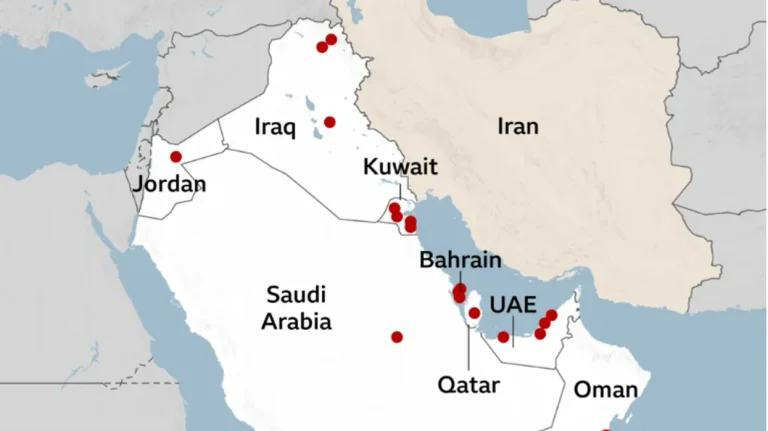
The artefacts are in Saudi Arabia, the United Arab Emirates (EBA), Qatar, Kuwait, Iraq, Jordan, Bahrain and Oman.
The current figure could be higher, with some analysts setting the number of bases hit by 28.
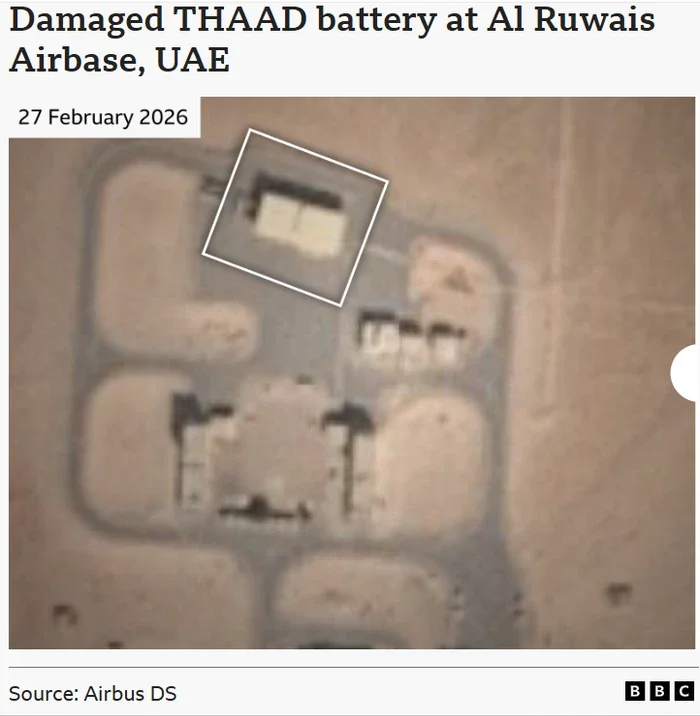
Among the valuable damaged equipment were reportedly three antibalistic missile battery systems of the latest technology at Al Ruwais and Al Sader air bases in the United Arab Emirates and at the Muwafqon Salti air base in Jordan.
The US is known to operate only eight of the batteries “Terminal High Altitude Area (THAAD)”, which are located on bases across the globe and cost about $1 billion to produce. Each battery needs a crew of about 100 troops to operate it, while its interceptors cost about $12.7 million per missile.
As noted, Iranian attacks have hit even American fuel supply and surveillance aircraft at Prince Sultan Air Base in Saudi Arabia hard, showing analysis of satellite imaging experts, damaged aircraft, and clear smoke craters.
A plane was identified by an analyst MAIAR as a surveillance aircraft E-3 Sterry. American media reported that his replacement could cost up to 700 million dollars.
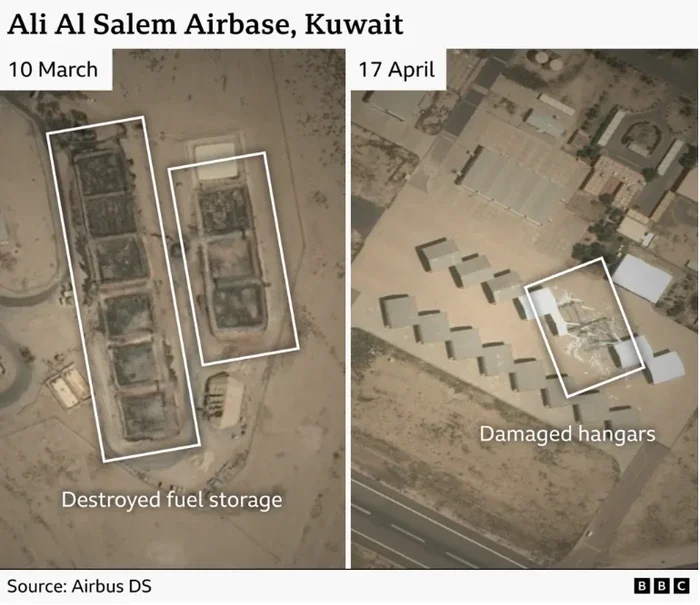
Somewhere else, Iranian attacks also targeted Air Base Ali Al Salem and Camp Arifyan in Kuwait. Analysts in MAIAR identified destroyed fuel storage bunkers, aircraft barns and body accommodates in satellite images of the base, which were hit several times during the course of the conflict.
And at Camp Arifyan, the defense intelligence company Janes identified major damage to satellite communication equipment.
The extent of damage caused in American objects is difficult to determine, but a May assessment by the Pentagon set the total cost of Operation Epic Fury at 29 billion dollars - with much likely spent on"the process of repairing or replacing"devices destroyed in the conflict.
The Democrats say it is likely to be “a subsuppression”.