3 minutes ago
The world's shaking. Volkswagen expected to close 100,000 jobs, four factories
Periskopi(a month ago)
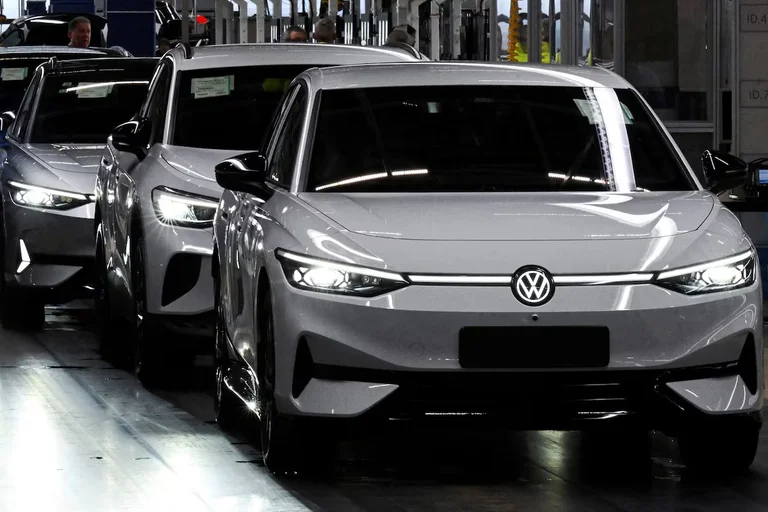
(a month ago)Volkswagen is considering closing four German factories and cutting jobs to 100,000, two people familiar with the issue said Friday, in what could be the biggest change ever in the industry.
Members of the VW monitoring board have been informed of the plans, which will be discussed at a meeting on July 9th, sources said, sources reported. ReutersPeriscope broadcast.
The move comes as the carmaker faces increased pressure from Chinese rivals, heavy tariffs for car imports in the United States, as well as declining demand in Europe, which the company has said makes its business model unstable.
The closure of factories in Hanover, Zwickau, Emden and the location of Audi in Neckaratta would put more than 45,000 jobs at risk, according to sources. This would add to the 50,000 cuts currently planned.
In absolute terms, firing 100,000 people and closing four assembly factories would be the largest restructuring in the history of the automobile industry.
It would be comparable to major changes from GM to and during its bankruptcy in 2009 and in the early 1990s when it cut up to 74,000 jobs over four years and closed or left 21 factories out of work.
Volkswagen CEO Oliver Blume presented the plans to senior leaders earlier this week to rally support for deep cuts likely to face fierce resistance from the Union and the State of Down Below Saxony, the second-largest car manufacturer.
Over the next five years, the general revision was reported for the first time by Manager Magazin, who also said that the world's second car manufacturer would cut investments by about 15% to just over 130 billion euros (148 billion euros) over the next five years.
Blumes and Finance Director Arno Antlitz aim to radically restructure the 89-year-old company, including the division of the main VW brand and section operations in separate entities, the magazine added, citing sources.
Volkswagen shares were being traded at the lowest level in 16 years Friday, dropping by 3.4% at 13:35. GMT, suggesting investors were sceptical that the plan would succeed.
High"coms are just a symptom, not cause. They do not address the root cause, which is poor sales,"said Ingo Spich of the Volkswagen shareholder Deka, for Reuters.
"The VW should bring to the market attractive products that are on high demand; this would put an end to the debate on costs. "
A Volkswagen spokesman refused to comment on"confidential documents".
"All the group, including its brands and branches, should undergo broad changes,"said the spokesman.
The VW Council and Germany's powerful IG Metall union pledged to resist any such move, saying in a joint statement Friday: "if such plans are to move forward, we will do everything in our power to prevent them. "
State Prime Minister of Downionia in Germany said the state would not agree with the plan.
Porsche SE, the system of investing families Porsche and Piech and Volkswagen's biggest shareholder refused to comment. Volkswagen's plans are likely to focus on its unique structure of governance and ownership, which gives considerable influence to representatives of the working and Down Below Saxony.
In financial year 2025, the group's global workforce was 667,164, with almost 43% employed in Germany.
Blueme's first attempt to close factories in Germany in 2024 met with fierce resistance from unions, forcing a withdrawal.
At the time, the management had proposed the closure or sale of several factories as part of a comprehensive initiative to reduce costs to address excessive capacity and poor demand for electrical vehicles, causing strikes and a prolonged impasse with IG Metall and the labour council, which have significant impact on company decisions.
GREAT PRESS FROM RIVALS CLIZE IN RIVING
While market conditions have deteriorated, Blume is under even greater pressure to revive the fate of Volkswagen, while facing increased tariffs and competition from Chinese automotive producers, its biggest threat.
The VW Group has suffered years of neglect in redefining the number of workforce due to strong control that the regional government and trade unions have over the company", said independent auto analyst Matthias Schmidt. The market reality is hitting the German giant harder. "
Large automotive producers have repeatedly lost ground on the country's domestic electric vehicles. According to AlixPartners, the market share of non-kinese auto producers dropped to 32% in 2025 from 57% in 2020.
Being China's leading automaker for years, Volkswagen fell to second place from BYD (002594.SZ) in 2024 and fell to third in 2025.
This decline has now spread to automotive producers such as BMW (BMWG.DE), which issued a shocking profit warning last week partly blamed for poor sales in China.
Chinese automotive producers are also expanding in developing markets and are growing rapidly thanks to the local production of Volkswagen.