4 hours ago
Petritsch: Kosovo is losing international credibility due to continuing political crises
Periskopi(a month ago)
(a month ago)Elections in Kosovo are no longer enough to assess the quality of democracy if they are not followed with institutional stability. Frequent post-election raids have changed the way the country is perceived internationally, shifting focus from the election process to capacity for governance.
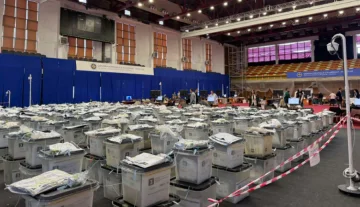
On June 7th, Kosovo goes to the third parliamentary elections within 18 months a pace that removes the electoral cycle from democratic normality and places it in the logic of the recurring crisis.
Just six months ago, the elections produced a clear winner -- the Vetevendosje Movement with over 51 percent of the vote -- that in normal conditions would imply political stability. But failure to elect the new president of state activated constitutional deadlines and restored the country back to the ballot boxes.
The campaign is already in full motion with gatherings, meetings, talks, talks but its content remains limited: more charges and demands of responsibility for what happened, and fewer new ideas about solutions or roads ahead.
“We have not even needed a victory, but the opposition bloc has also needed a loss of”, said Vetevendosje Movement Chairman Albin Kurti, now prime minister in office, ahead of some of his supporters.
“Those who had the opportunity and responsibility to lead chose not to act”, according to a video message published on Facebook by Democratic Party of Kosovo Chairman Bedri Hamza.
And, “will let Kosovo get tired of divisions and successive crises, as others want?” has asked Democratic League of Kosovo host Vjosa Osmani.
Over 2 million citizens can rightly vote on balloting, but for international observers of developments in Kosovo, expectations go beyond participating in the election.
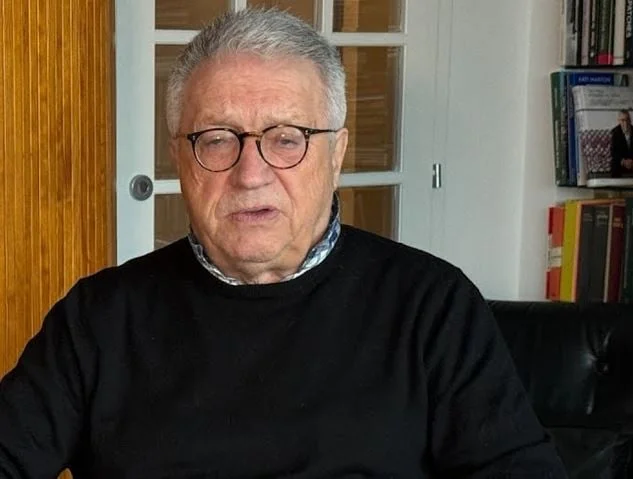
The European Union's former special envoy for Kosovo, Wolfgang Petritsch, says that, amid major global uncertainty, it is time for voters to behave as active and demanding citizens, sending a clear message to the political leadership that prolonged institutional impasses are no longer acceptable and that institutions should function.
I don't want to get involved in domestic politics and I don't know how the next elections will take place, but, somehow, citizens should say dominant party and its leader: Now it's time to act, do something”, says Petritsch for Radio Free Europe.
The former Austrian diplomat adds that frequent elections, personal rivalries and lack of compromise are leaving Kosovo out of a key moment, while the architecture of security and politics in Europe is being reformed amid the war in Ukraine, shocks in the Middle East and weakening American guarantees.
According to him, instead of appearing as a small but reliable democracy, Kosovo is perceived as an additional point of instability at the edge of Europe.
He says 18 months without institutional stability are too much for a state of fragile security like Kosovo, and warns that this situation gives other arguments to five EU states that do not yet recognise its independence to turn their previous reserves into a more convincing claim that Kosovo cannot function as a full state.
What do we know? Since a year and a half cannot have stable governments, they cannot elect president... So it is a dramatic loss of confidence that Kosovo is trying to be and become a serious state”, Petritsch says.