8 hours ago
Where negotiations lie between US and Iran - including the nuclear barrier
Periskopi(a month ago)
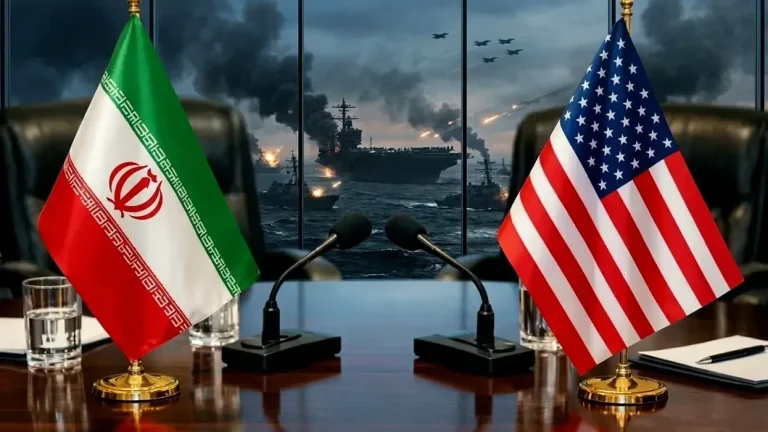
(a month ago)Talks between the United States and Iran on a possible deal have recently approached, but a final consensus has not yet been reached, according to statements by parties and diplomatic sources.
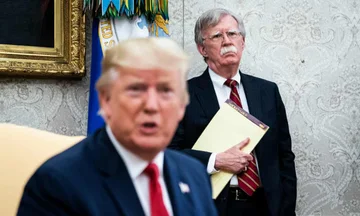
US President Donald Trump has declared he is consulting with security officials to get a <x0 final decision” on the current offer at the table, signaling that negotiations have entered a crucial phase.
However, Tehran has reacted, stressing that there is still no final agreement, leaving many of the main issues dividing the two sides open, writes Skynews.
According to international reports, the initial draft of the deal would include a 60-day ceasefire extension, as well as measures to facilitate the maritime movement, including the reopening of the Hormuz Strait and lifting some American restrictions.
This transitional phase would give the parties more time to negotiate more complex issues, especially Iran's nuclear programme and US-set economic sanctions.
The most sensitive issue remains Iran's enriched uranium, which according to the International Atomic Energy Agency reaches levels of up to 60 percent, very close to the technical threshold for military use.
Washington wants Iran to give up these reserves, while Tehran flatly rejects such a demand, viewing it as violating its energy sovereignty.
US officials have stressed that Iran's prevention from developing nuclear weapons remains the <x0-line red”, while current discussions target only a temporary agreement on general principles.
In the context of the negotiations remains the issue of Iranian sanctions and frozen funds, with Tehran seeking access to its assets, while the US is seeking indirect formulas for unlocking them without direct transfers.
Despite recent diplomatic movements, analysts stress that the differences between the parties remain deep and that any possible agreement would require major compromise in the coming days and weeks. /Telegraphy/