2 minutes ago
Switzerland blocks more than $880 million of Maduro's dollars
Periskopi(5 months ago)
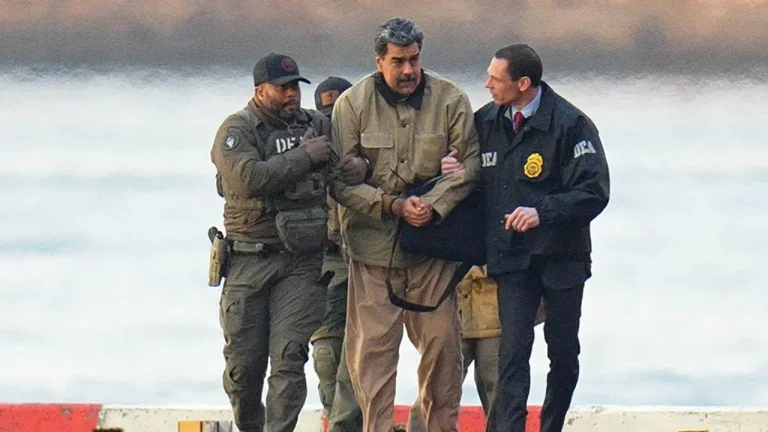
(5 months ago)Switzerland announced on January 5th that it will block “any property” of former Venezuelan President Nicolaás Maduro, following the arrest and charges of drug trafficking by the United States. The move was taken as a “pre-empting” to avoid possible evacuation of funds abroad and has also included 36 other Venezuelan citizens. It's about [...]
As Business Recordser writes, it's about more than $880 million that's stuck in Switzerland.
Swiss Measures Against Venezuela

Switzerland has been following the European Union's sanctions on Venezuela since 2018, including the ban on military equipment supply, monitoring or surveillance equipment, as well as the establishment of asset and travel jams.
Under Swiss law, individual funds called “Politically detecting persons” or their relatives may be blocked, confiscated, and returned to legitimate owners in case of moving abroad.
Experts Mark Pieth points out that keeping Maduro funds has been banned for years, and recent reports do not constitute a new action on existing sanctions.
The recent decision relates to the fact that Maduro has now been arrested and charged by the US. Swiss authorities are making sure that they are ready for any future request from prosecutors or foreign governments for legal assistance.
In practice, despite Maduro resulting in wealth in Switzerland, this does not mean that funds are illegal.

The law does not force Switzerland to follow US or European Union sanctions, but Swiss banks are careful to avoid risk of secondary sanctions or actions by financial market authority FINMA.
What happens to money if it's illegal?
If any Maduro fund is found to be linked to corruption or criminal activities, Switzerland could negotiate with another state for restitution deals. The money must go towards the population's benefit and should not be turned into corruption channels.
Switzerland has had experience with this approach since the 1980s, beginning with the assets of dictator Filipinos Ferdinand Marcos, later with Jean-Claude Duvaler of Haiti or Mobutu Sese, placing temporary deadlocks and seizures for property related to collapsed autocratic regimes.
Experts Pieth points out that most of these assets will remain blocked until there is a stabilised government in Venezuela, and there is no clear legal basis for transferring them to the US.