14 minutes ago
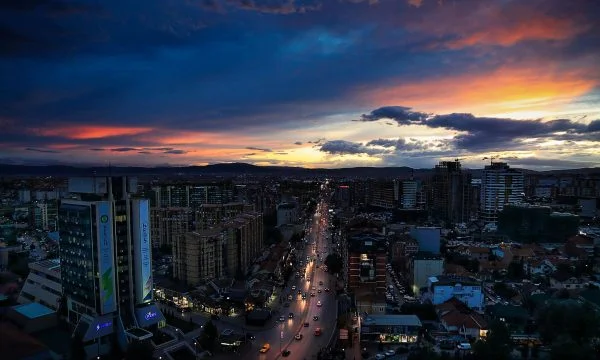
Kosovo in total darkness
Periskopi(6 months ago)
(6 months ago)Kosovo is facing serious difficulties in the energy sector on Wednesday, January 14th in different cities in the country have begun reducing its electricity supply. The B1 block of the Kosovo B thermal power plant is out of place, as well as that of the B2 Unit, Periscope reports. As citizens face high energy bills, [...]
Kosovo is facing serious difficulties in the energy sector on Wednesday, January 14th in different cities in the country have begun reducing its electricity supply. The B1 block of the Kosovo B thermal power plant is out of place, as well as that of the B2 Unit, Periscope reports.
As citizens face high energy bills, the Energy Regulatory Office has warned that the price of electricity will again increase by March.
Kosovo's Energy Corporation has faced serious problems and decline of blocs, despite being promoted by power over four years for renovating, modernising blocs.
Otherwise, in an official reply, Kosovo Energy Corporation ( KEK sh. ) has announced that the B2 Unit, which has operated indefinitely since October 26th 2025, has completed about 2,000 hours of work, or 82 days of accounting operation.
Due to its high load and technical situation, the B2 unit undergoes a technical control that is expected to last about 48 hours. KEK professional teams have launched interventions and verifications to ensure the update of operational parameters and sustainable continuation of production.
The state of emergency has also reacted to KESCO.
“K ESCO reports to consumers that during the last few days the electromagnetic system is facing an extraordinary situation as a result of significant electricity consumption growth, which currently cannot be fully covered by local production. Because of this growth, K ESCO is obliged to secure about 50% of its electricity through import, in very difficult conditions of the regional and international market. Currently, cross-border capacities are limited and this is creating great pressure on providing the necessary amount of”, the ECCO response reported.
K E SCO reports that the country is facing significant growth in energy consumption, while local production is not covering demand.
For this reason, about 50% of energy is being secured through import in very difficult market conditions.
Also due to cross-border restrictions and lack of sufficient capacities, temporary restrictions have been applied in import for maintaining the stability of the electromagnetic system.
K ESCO says it is making all efforts to minimize the impact on consumers.
A day ago, even System, Transition and Electricity Market Operator (KOSTT) has announced that it is obliged to apply electricity reductions due to network overload. According to COST, this is due to the difference between nominals and real consumption in recent days. The deliveries have increased the risk of stability and could bring punitive measures to COST from the European network.
And Kosovo had this problem throughout 2025, ranking first in the region for electricity imports.
According to Kosovo Customs data. For a year, Kosovo has spent less than 259m euros on electricity imports.
This ranks the electricity as the third most imported product in the country during 2025, behind cars and derivatives.
On the other hand, the sale (export) of electricity amounted to 55m euros.
This gap shows that Kosovo has imported about 4.7 times more energy than it has managed to export, creating a trade deficit of around 204m euros in this sector alone./Periscopi/