3 minutes ago
Institute report “Mousine Cocalari”: What Serbs in the north say about Kosovo-Serbia dialogue and BEC decision
Periskopi(2 years ago)
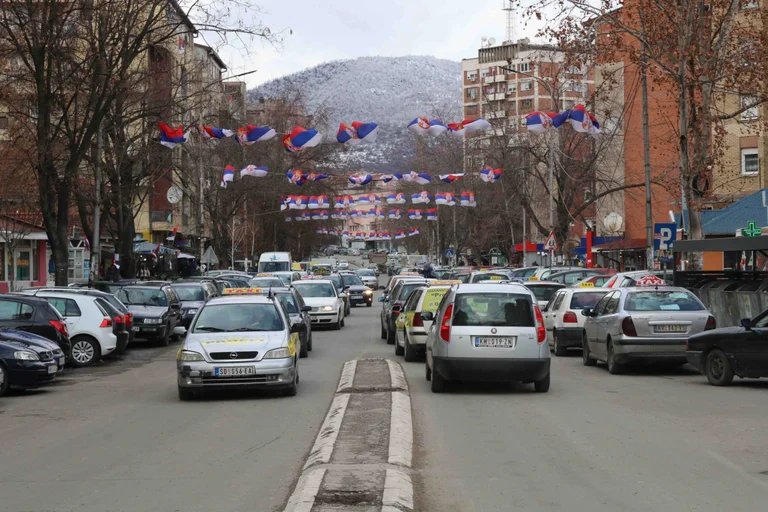
(2 years ago)The Institute for Social Policy “Mousine Cocalari” has published the latest report in which the Serb community's challenges and concerns in Kosovo are presented. The study is conducted with 500 citizens from Kosovo's 10 majority Serb municipalities, writes Periscopi. According to the report published by Serbs in Kosovo, security, economic conditions and [...]
According to the published report, the main concerns of Serbs in Kosovo are security, economic conditions and corruption, where both the intervention of the Kosovo government and Serbia are highlighted.
<x0)
• Corruption spreads both the biggest challenge (42%) in terms of political freedom and democracy, including concerns related to political interference, both from the Kosovo government and Serbia's”, the report says.
Seeing that Kosovo- Serbia has a deadlock, out of 500 citizens surveyed findings point to various concerns in urban and rural areas about the Kosovo-Serbia dialogue process. In rural areas, the main concern is the lack of transparency and communication with the public regarding dialogue (41%), compared to 23% in urban areas. The possible escalation and destabilisation of violence is also intense concern in rural areas, and 41% of respondents cite it, compared to 19% in urban areas. The lack of adequate political representation of Kosovo Serbs in the dialogue process is disturbing both in urban and rural areas.
Meanwhile, while the Kosovo Central Bank decision prohibits the use of the Serbian dinar in cash payments in the country, half of respondents feel affected. Attitudes towards accession vary. Some predict rejection for cultural or political reasons, others predict accession for the sake of economic ease.
More You Can Read THESE