7 minutes ago
New US-Serbia reports, Serwer: Belgrade acted awake, Americans are deceiving themselves
Periskopi(3 years ago)
(3 years ago)The US has reduced criticism of the region's most anti-American state, Serbia, regarding Kosovo and its generally attitudes. Serbian diplomat Djuric talks about a month of honey through which Americans and Serbs are going through. American professor Daniel Cerwer views their current reports as Serbia's cleverness in diplomacy and [...]
The administration of President Beden, who has declared personal ties to Kosovo, was the hope for Vetevendosje Movement, which emerged from an open fight with Trump Administration and regained power. At the top of US diplomacy was Antony Blinken, who also joined the Kosovo list of friends, while one of the diplomacy veterans, Christopher Hill, was sent to Serbia, who had supported the bombing of Serbia. With all this formation, it was estimated that <x0yjet” would be the side of Kosovo.
But over the past two years, American officials, not rarely, have given criticism to Kosovo and credit to Serbia. All these related to dialogue between the two states and developments in Kosovo.
According to Serbian Ambassador to Washington Marko Djuric, Serbia has now improved its reports with the United States, and this is due to President Alexander Vuciq. Djuric in his recent interview that was published in Serbian media has focused on how much, according to him, America and Serbia have recently approached, and how, Kosovo has no support of “in the previous” of internationals.
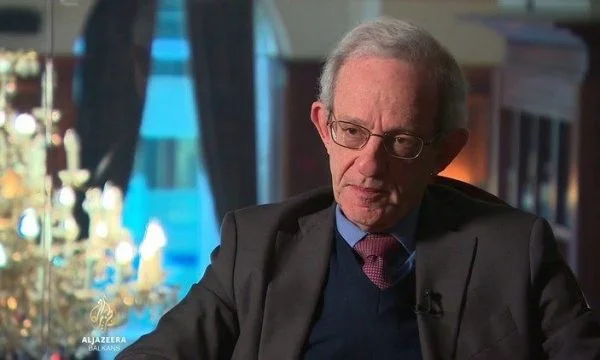
American professor Daniel Cerwer, who follows developments in the region, says Serbia has acted wisely in diplomacy and lobbies to improve reports with the US.
Serbia has acted up in diplomatic and lobbiing channels, where it has found more favor than in the past. Kosovo has told the US several times, because what it was required to do, the Government has not appreciated it in its interest. There are times when Pristina could count on the money and not on the back, but I'm not sure it would make a big difference”, Cerer told Gazeta Express.
Djuric spoke only of the proximity and points that unite Serbia and the US. But it is the historic link with Russia, which confronts the West. However, Serbia has not broken down with the US nor has the support it gave with gears and non-sanction to Russia in aggression against Ukraine.
The American professor says he cannot find any reason to make the US praise Serbia's approach to Russia and Ukraine.
“As I know it, the US has not held Serbia responsible for its failure to line up with European Union sanctions against Russia or offer more than nominal support to Ukraine. The Americans seem to have fooled themselves. Of course, there may be something I don't know, but there is no good reason I can think of the US praising Serbia's policy towards Ukraine”, Cerer said.
There are rumours that the US's soft approach, Ambassador Hill's attitudes are within the framework of efforts to separate Serbia from Russia. Serer says the US is failing at this point.
It's not working. There is no sign of the break from Russia or a more pro-Western direction of Serbia. Serbia is sitting on two benches: China and Russia, not the US and the EU”, he has said.
Djuric has previously led the so-called Office for Kosovo in Serbia's Government. Now as ambassador to the US, it says Serbia is not seen as a decade ago, as an unwanted state.
According to him, in America, although they disagree with Serbia on Kosovo status, it can now be discussed on this issue, even, as he says, Serbia “is heard and understood”.
In this sense, to ease the reports between the two countries that are at the heart of disagreements, even the US-led NATO bombings are encouraging US Ambassador to Serbia Christopher Hill.
In his personal name, he even expressed regret that there had been a bitter episode between the two countries.
Somewhere in December of last year Hill, questioned about the bombings, had been declassified that the “personally regrets” that such a thing happened, but adds that lessons must be learned from the past and that it should not be taken as hostages.
“I'm not happy about that. But at some point people have to turn to the future to move forward. To try to take lessons from the past, but not to become hostages and slaves of the past”, Hill said.
This statement by the American ambassador had also been commented on by American analysts, while Hill had responded to Prime Minister Albin Kurti.