an hour ago
Kurti as chairman of the Commission for Health at the first meeting: Citizens in the First Order Has Health
Periskopi(4 years ago)
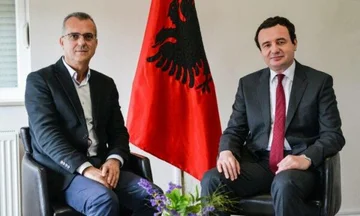
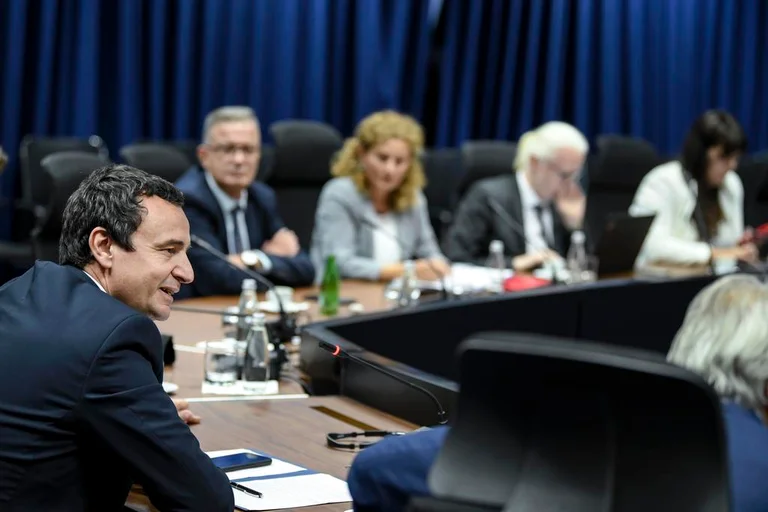
(4 years ago)Under Prime Minister Albin Kurti's chairmanship, the Executive Commission for Health held its first meeting this afternoon. This responsibility was seen with criticism, telling public that Kurt is trying to hide government. In his opening address, Kurt said that the trust of changing citizens is great and that this belief should [...]
In his opening address, Kurti said that the trust of changing citizens is great and that this trust should correspond to the will and willingness of the government, to approach challenges seriously.
He added that the citizen in the first place has health, and the care of the same should be enjoyed, free of charge, by professionals at any time. My dedication and my time will not be missing at any moment”, Prime Minister Kurti said.
On the other hand, Health Minister Rifat Latifi expressed happiness in the Commission's decision to form. He said each of the commission members has a lot of work ahead, and expressed confidence that together they will succeed.
At this meeting, in addition to discussing the Commission's responsibilities, jobs and responsibilities of members of this Commission were also made.
According to the Government's current decision, the Executive Commission for Health consists of the prime minister, Health Ministry Minister, Minister of Finance, Labour and Transfers, Minister of Education, Science, Technology and Innovation, Deputy Minister and Deputy Minister of Health, Secretary General of the Health Ministry, Prime Minister for Health adviser, Minister for Information Technology adviser, deputy director of the SKKKKU's Board.
The Commission's responsibilities are:
- Analysis and definition of public-private division and co-operation in health;
2. Development of the health information system to inform the entire health system, at all levels (mirmar, secondary, tecridar) of sectors (privates and public)
3. Reforming the KKKUK through the strengthening of KKUK and regional hospitals;
4. Development of the public health sector in terms of establishing health care and interconnection capacities with university and scientific research and work;
5. The establishment of Pristina Regional Hospital. - Interaction with five ods of health professionals - doctors, nurses, dentists, pharmacists, and physical therapists.