3 minutes ago
Czechia holding EU presidency supports visa ban on Russians
Periskopi(4 years ago)
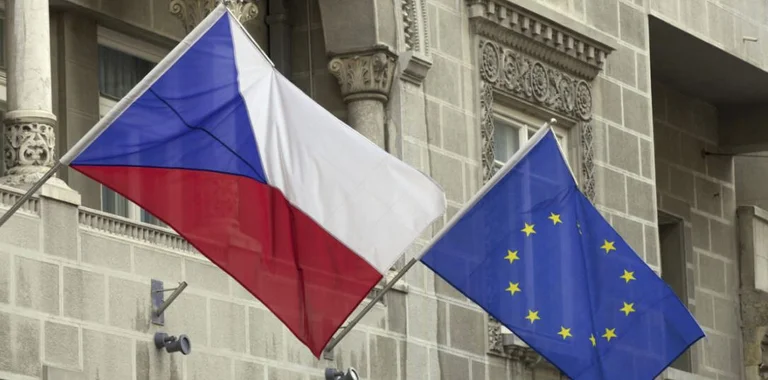
(4 years ago)The Czech Republic, which currently holds the European Union's rotating presidency, supported the proposal for visa prevention across the EU for Russian citizens. “The halting of Russian visas from all EU member states could be another very effective sanction”, Czech Foreign Minister Jan Lipavsky said in a statement. [...]
The Czech Republic, which currently holds the European Union's rotating presidency, supported the proposal for visa prevention across the EU for Russian citizens.
“The halting of Russian visas from all EU member states could be another very effective sanction”, Czech Foreign Minister Jan Lipavsky said in a statement.
His comments give support to such a goal from Estonia, Latvia and Finland that all EU states ban issuing tourist visas for Russians and preventing the bypass.
Estonia's top diplomat, Urmas Reinsalou, said yesterday he would submit an official proposal to the EU Council, led by the Czech Republic.
Lipavsky confirmed he would include the proposal on the informal meeting of EU foreign ministers in Prague on August 31st.
At the time of Russian aggression, which the Kremlin continues to escalate, cannot be talked about joint tourism for Russian citizens”, he said.
If adopted, new sanctions would send a very clear and direct “to Russian society”, he added.
The Czech Republic's stance is not surprising as it was the first EU country to suspend visas for all Russians, except humanitarian cases, immediately after the start of the war in Ukraine on 24 February, writes Anadolu, broadcast Klankosova.tv.
Ukrainian President Volodymyr Zelensky had earlier suggested the move as a way to boost diplomatic pressure on Moscow.
Visiting Europe is a privilege, not a human right”, said Estonia Prime Minister Kaya Kallas, earlier this week.
However, German Chancellor Olaf Scholz yesterday dismissed the idea, stressing that “this is Putin's fight” and that sanctions should not harm innocent people.
The EU has approved seven packs of sanctions against Russia for the war in Ukraine, targeting, among other things, Putin and Russian Foreign Minister Sergey Lavrov.
The measures also include economic sanctions such as the ban on imports of gold, oil and coal and export of luxury goods, as well as the expulsion of Russian and Belarusic banks from the SWIFT international payment system.