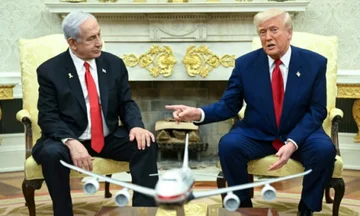
CNN: Netanyahu seeks emergency meeting with Trump amid mounting tensions over negotiations with Iran
 7 minutes ago
 (4 years ago)
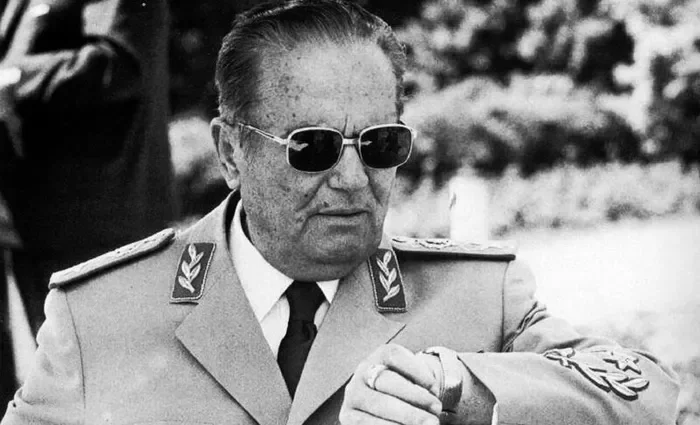
Tito is known for breaking up the Bujan agreement, where the unification of the remaining Albanian lands in the former Yugoslavia was envisioned after his liberation from Nazi occupation and for many genocide works after World War II. Tens of thousands of Albanians were executed after the liberation, replacing themselves with a serious dictatorship for Albanians. They were executed and were [...]
Tens of thousands of Albanians were executed after the liberation, replacing themselves with a serious dictatorship for Albanians. The leaders of the second League of Prizren were executed and imprisoned.
Killed, imprisoned and massacred thousands of Albanians during the period of dictator Tito and Serbian genocide politics to gain our rights.
The Second World War II Yugoslav Postwar Agreement was reactivated, where more than half of Albanians in the former Yugoslavia were forced to migrate to Turkey, which lasted from 1938 to 1953, until the late 1970s.
Presequently, there was an agreement between the former Yugoslavia and Turkey known as “Yugoslav-Turkish Convention of 1938”, which envisioned the expulsion of Albanians to Anadol.
The use of the Albanian national flag from the second world post until 1968, where with mass protests, Tito was forced to allow use.
Albanian lands in the former Yugoslavia were torn apart, where half of Macedonia was created from remaining Albanian lands outside today's Londonian Albania with 1914.
Presevo, Medvedja, Bujanovac, the new Pazar (Novi Pazar) and many other cities remained in Serbia.
Numerous cities remained in Montenegro. Current Kosovo was created according to Yugoslav political plans and wishes.
After World War II, Tito ruled the country for 35 years, until his death.
He died on May 4, 1980, in Ljubljana. Following the death of dictator Tito, Albanians in the former Yugoslavia continued efforts to establish the Republic of Kosovo and the rights of Albanians on their remaining lands under other republics.
35 minutes ago