CNN: Netanyahu seeks emergency meeting with Trump amid mounting tensions over negotiations with Iran
 11 minutes ago
 (4 years ago)
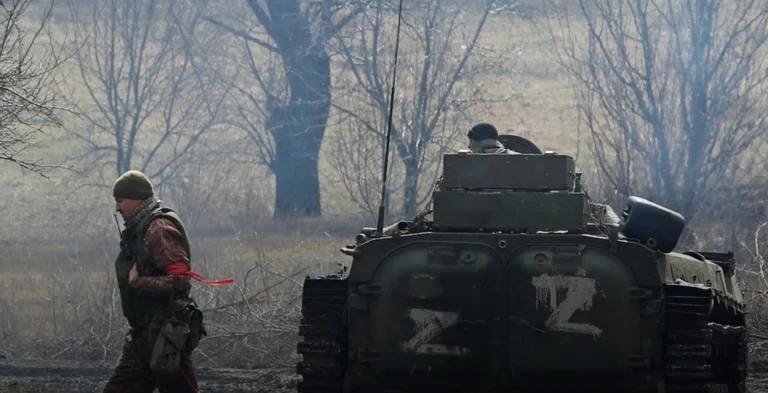
Situated in tanks, on T - shirts, drawn on walls of buildings and in many other places, the letter "ZEC" has become a symbol of Russia's war in Ukraine, which began on February 24th. Initially, the symbol ÉZ was seen in tanks that were headed towards the Ukrainian border a few days before Russian President Vladimir [...]
Situated in tanks, on T - shirts, drawn on walls of buildings and in many other places, the letter "ZEC" has become a symbol of Russia's war in Ukraine, which began on February 24th.
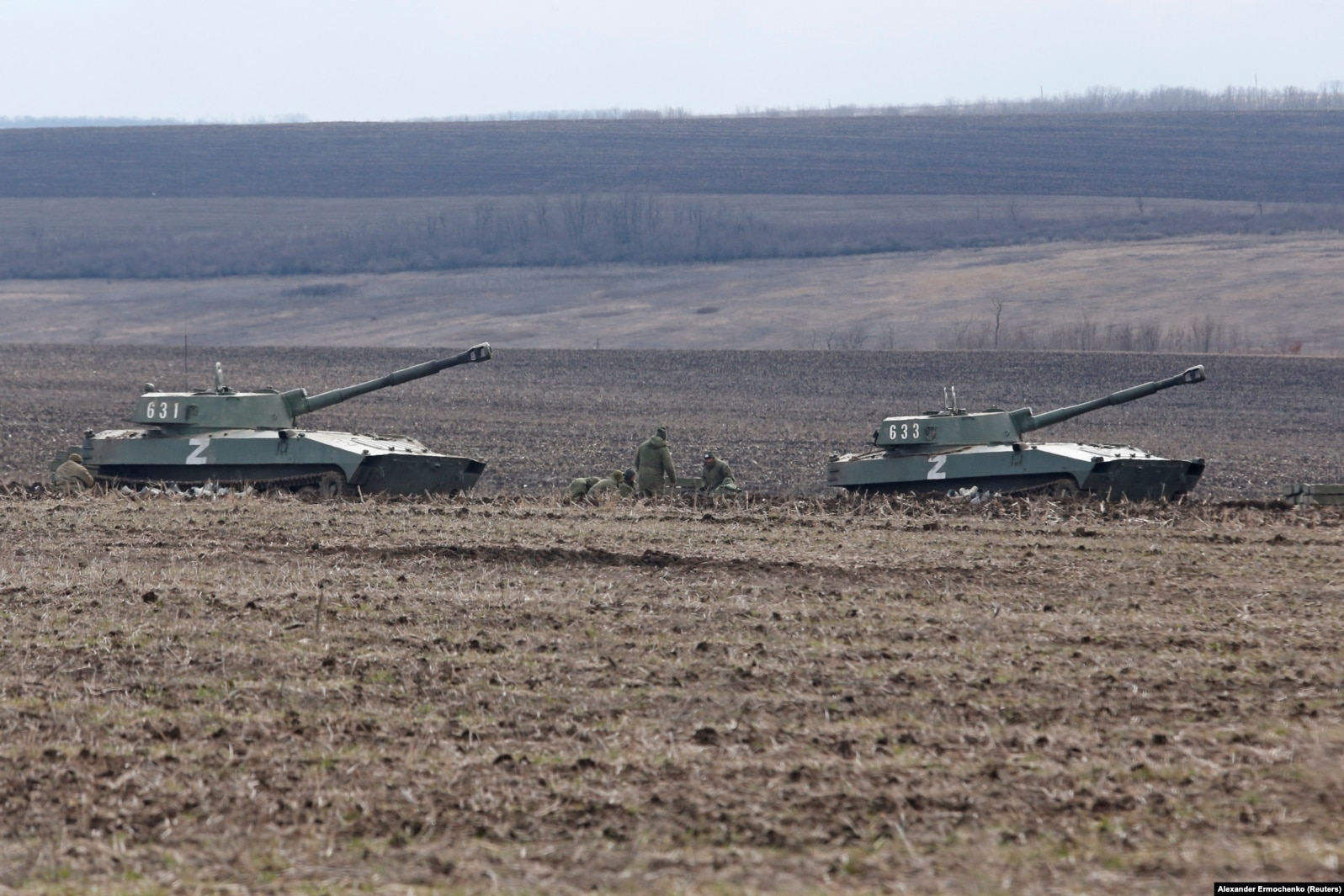
Initially, the symbol ÉZ was seen in tanks heading towards the Ukrainian border a few days before Russian President Vladimir Putin ordered the invasion of the neighboring state.
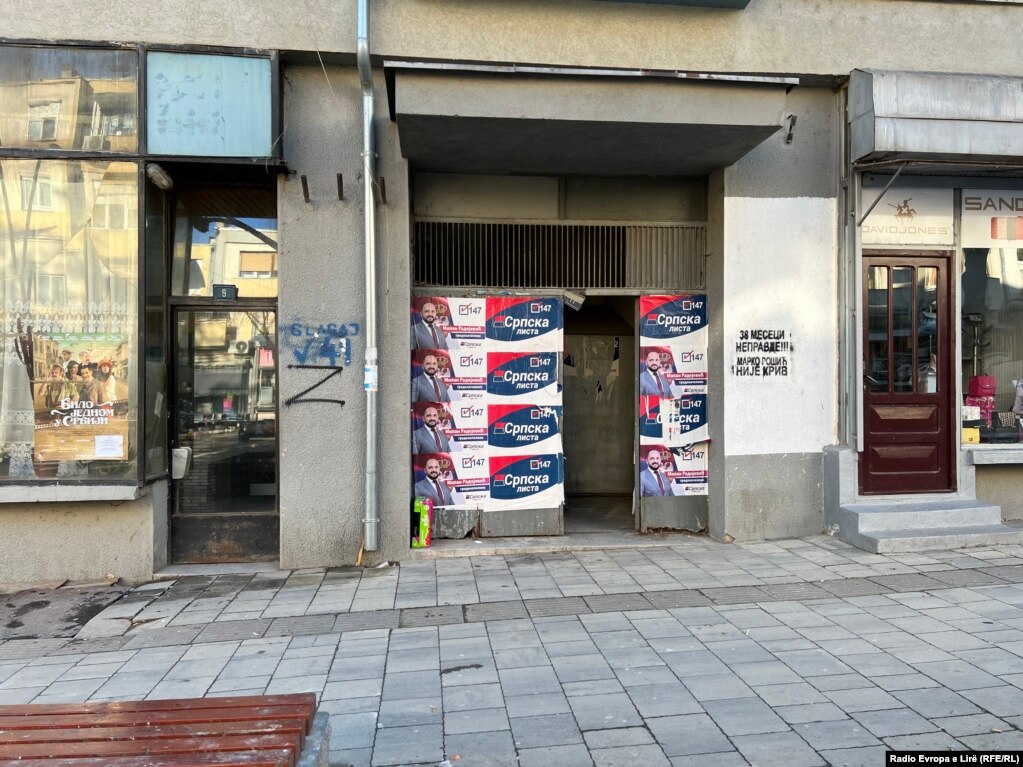
This symbol soon became a symbol for the support of Putin's war in Ukraine and has been seen drawn even in various buildings in the North Mitrovica municipality, inhabited by Serb majority, in protests in support of Putin in Belgrade, and in many other countries.
Various experts have speculated about the meaning of the symbol "Z) but also about the other letters including "O" and "XA," and "V" that appeared in Russian tanks, often inserted into circular shapes, triangles, and other geometric shapes. Some have suggested that this is the official form to prevent Russian tanks from distinguishing enemies from allies, writes The Washington Post.
Some military experts have interpreted the meaning of Voice as “Za pobedy” that is translated from Russian “for victory”, or “Zapad” which Albanian uses “West”. Meanwhile, others have said this is the form of Kremlin to show “set number one in Ukraine”, president of this state, Voldymyr Zelensky, writes. CNN.
Some pro-Kremlin military experts have said that as long as the letter ÉZ is for Zelensky, the V letter is for Vladimir Putin, writes. The Guardian.
Meanwhile, the Russian Defence Ministry has not commented on any of these theories, but it has been posted in the Instagram account that the symbol ʹZ) means “Za bedu” that in Albanian falls “for victory”, meanwhile, the letter "VV" stands for “the power of truth”.
The letter "Ziz" is in the Latin alphabet and does not exist in the Cyrillic alphabet Russia uses. Some experts say putting this letter into tanks and using it by people, whether stamped on their clothes or posted on social networks, is Russia's state effort to support the war in Ukraine.
While the letter )ZU is written in the Russian Cyrillic alphabet and looks like three, most Russians know the letters of the Latin alphabet. Emily Ferris, a researcher for Russia and Eurasian at the Royal Institute, said the letter "ZA" is a powerful and easily distinct symbol, writes BBC.
“Speed, in propaganda, the simplest things become more distinctive and more easily spread”, she said. “This symbol seems quite frightening and quite gloomy. From aestheticly, it's a powerful symbol”.
This is not the first time Russia has used the letter "ZEC" in its military campaigns. Many images coming from Russia show this letter of orange and black, which are the same colors that are on the flag of the Order of St. George, which was the highest price for war in Imperial Russia. This prize was originally awarded in 1769.
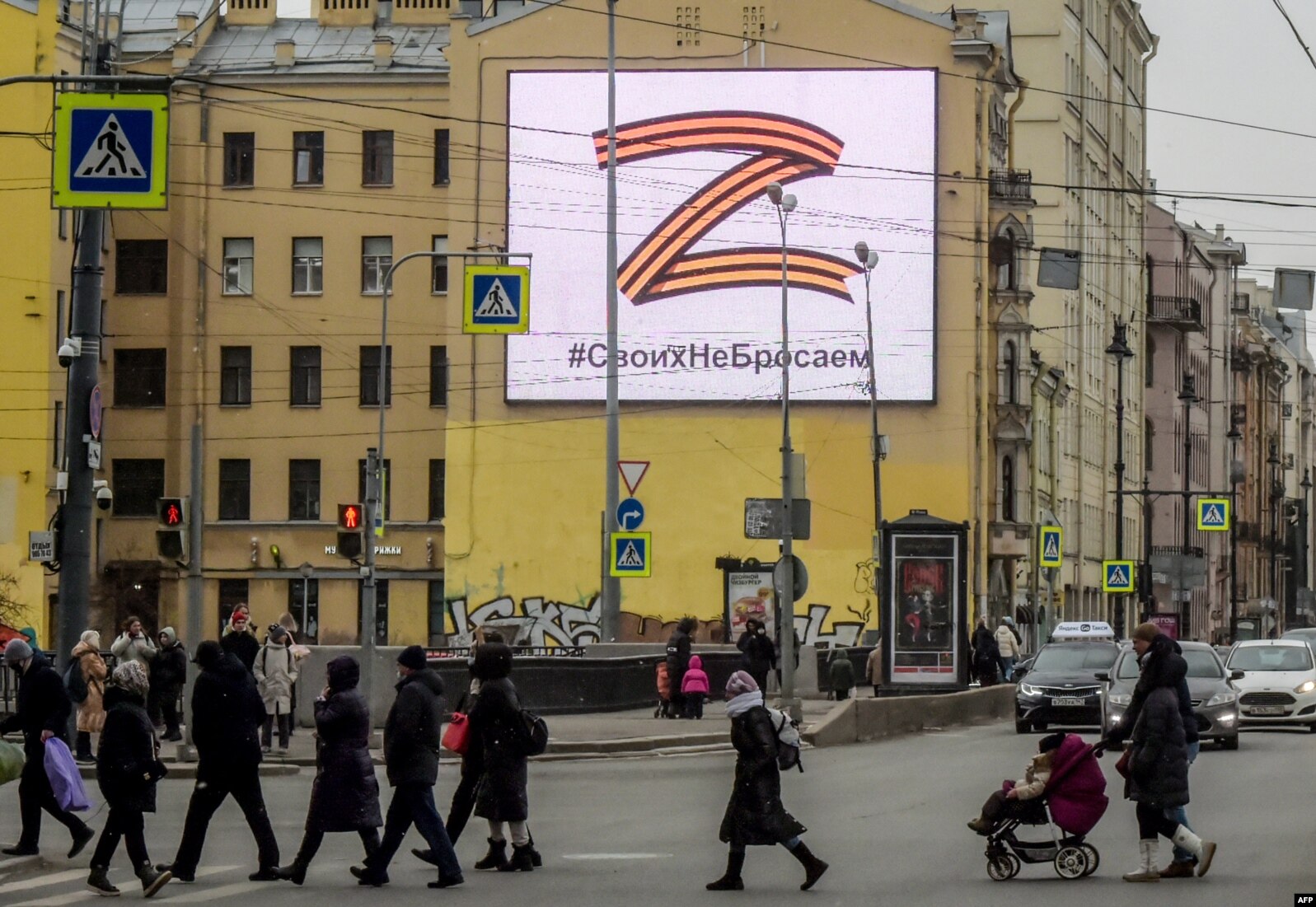
This combination of color has also been the unofficial symbol of the Soviet Union's victory over Nazi Germany in World War II, writes The Washington Post. These colors were also seen during 2014 when Russia annexed the Ukrainian Crime Peninsula and supported separatists in eastern Ukraine.
Since the launch of Russia's unpronounced attack on Ukraine, the symbol ÉZ has spread rapidly to Russia and the supporters of Putin's war.
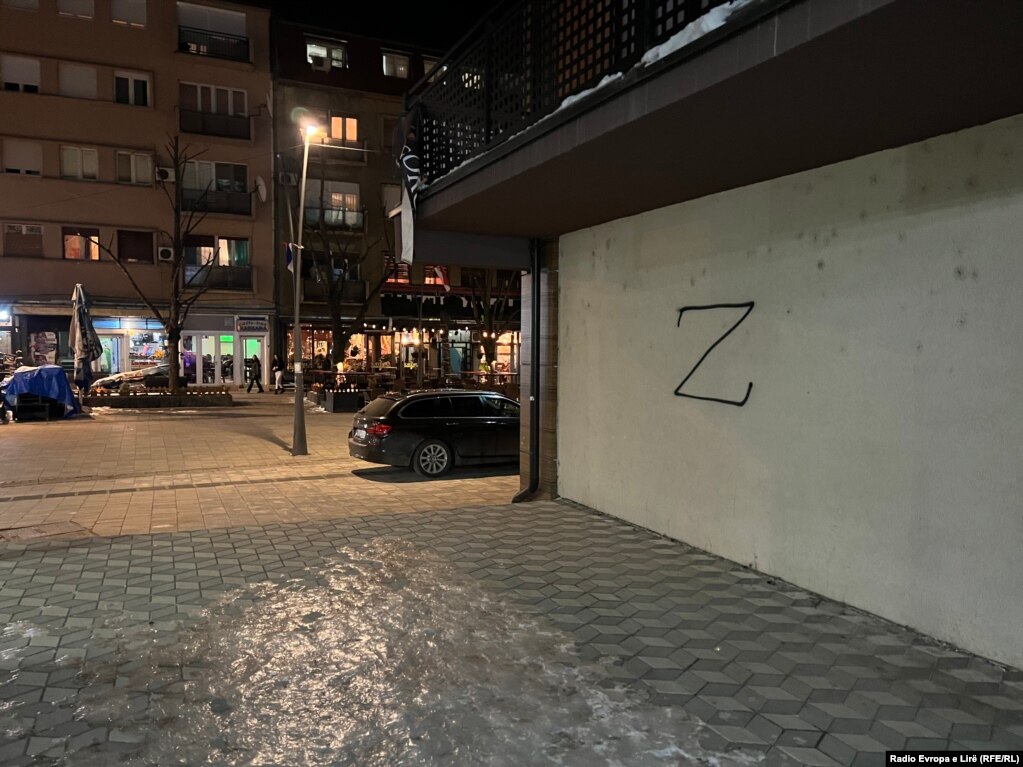
In northern Mitrovica, the Serb-run residential municipality, on the walls of several buildings has drawn this symbol.
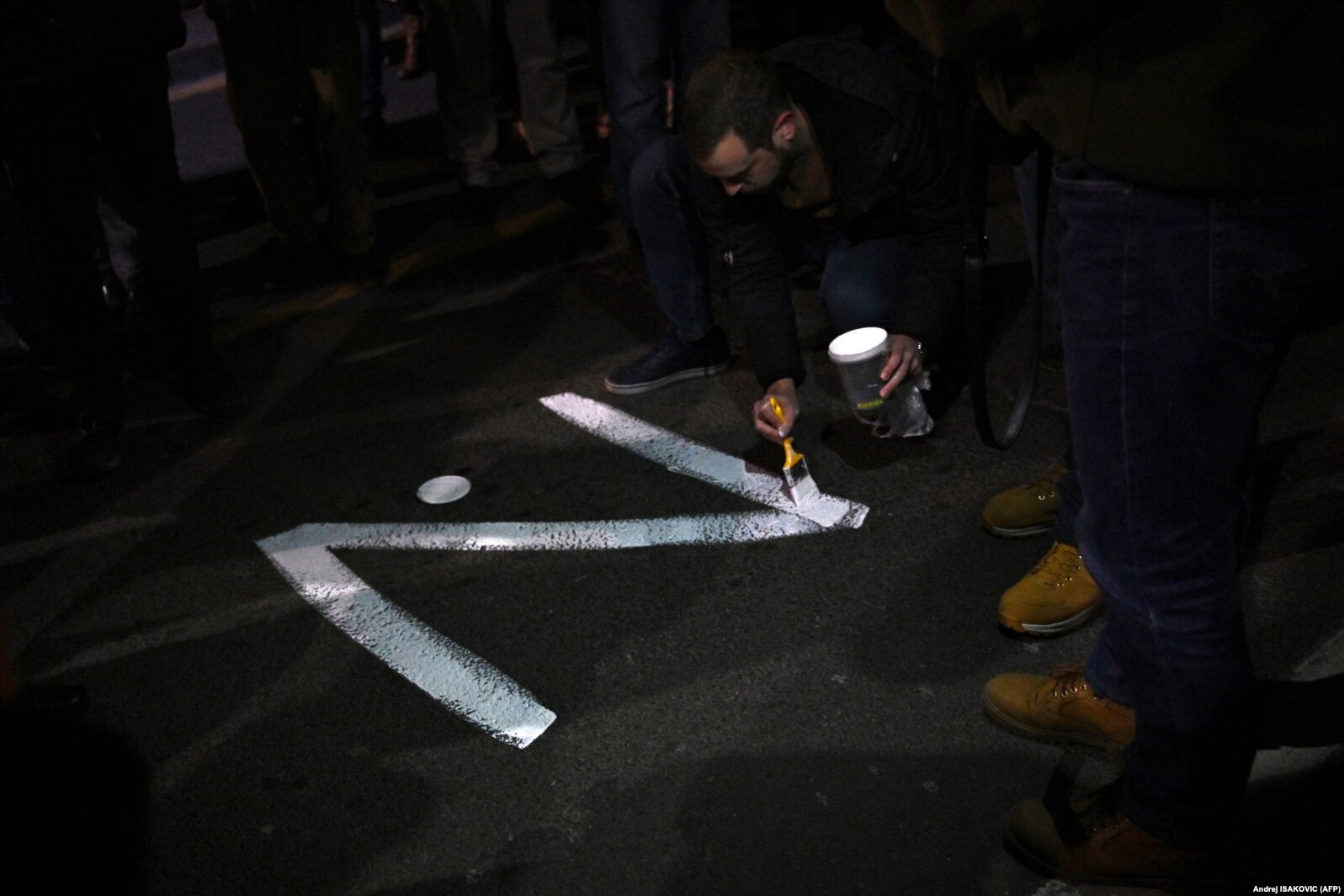
At a protest in Belgrade, Serbia on 4 March, organised in support of Putin's decision to invade Ukraine, citizens They wore T-shirts with this symbol and even drew it on the streets of the Serbian capital.
At a child hospital with cancer in Kazan ', patients formed this letter with their bodies.
This symbol has also been seen located inbilbode in St Petersburg and other Russian cities.
In the World Gymnastics Cup, held in Doha, Qatar, Russian athlete Ivan Kuliac had placed a necklace with the symbol ÉZAH while standing on the platform beside a Ukrainian athlete.
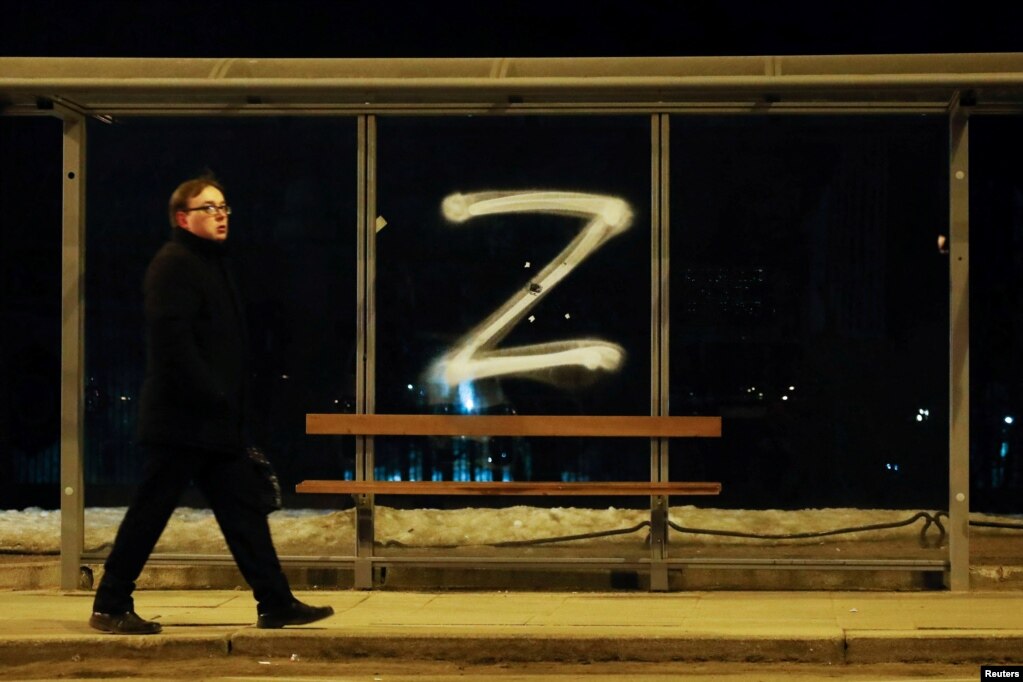
Meanwhile, on social networks, Russians supporting this war have started to use the symbol "Ze" and hashtag, which writes “we don't abandon our boys”. / REL
39 minutes ago