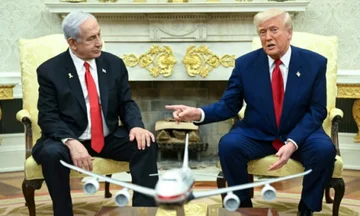
CNN: Netanyahu seeks emergency meeting with Trump amid mounting tensions over negotiations with Iran
 5 minutes ago
 (4 years ago)
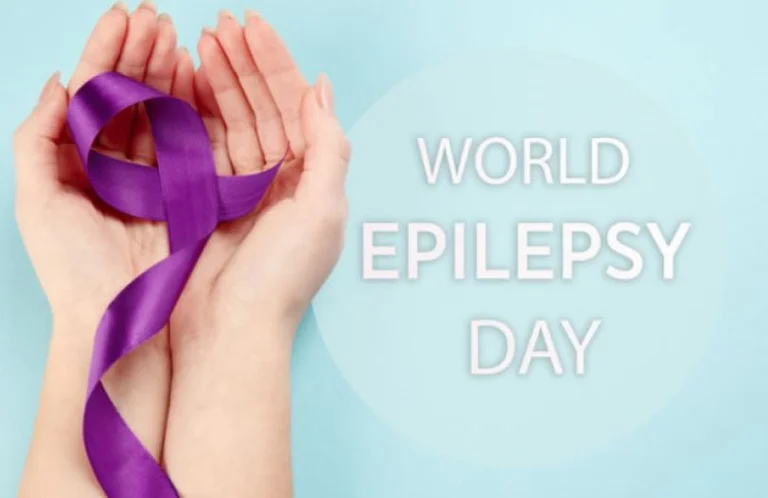
14 February is the International Epilepsy Day. The marked day that promotes awareness and awareness of the seizure in more than 130 different countries of the world, counting on Kosovo as well. Every year in the second month of February, people gather together to report on the problems facing people [...]
The main purpose of this day's note is to raise awareness of the need to improve the treatment and care of 6 million people in Europe who are considered to have epilepsy.
The reason for this day's marking in Kosovo is a call for action for all who, with their contribution, will support the fight against epilepsy.
Over 50 million people are affected in the world, making this a major public health problem. There have been many prejudices and dogmas about epilepsy in the past. Today, ILAE's contemporary attitudes show that people with seizures can live and work normally, just as any other healthy individual can.
Epileptic crisis is caused by the enzyme of excited nerve cells. An epileptic attack does not mean epileppsy. Men suffer a little more than women. Epilepsy can begin at any age, but the most common is in childhood and at age above 65.
As many as 70% of people with epilepsy have full seizures with the use of anti-leptic therapy. Epilepsy therapy must be taken care of, just as directed by the neurologer/elepptologist, with regular checks, as well as the control of blood medicine and EEG.
The vehicle drive requires an individual approach, even though professional driving is not recommended. In more parts of the world, those who have had no attacks over a period of 1-3 years are allowed to drive under control.
The pregnancy of women with epilepsis should be planned and consulted by epileptologist. Epilepsy people need to live and work in a normal, healthy atmosphere with the support of their family and social environment.
This day will also be marked in Kosovo.
33 minutes ago