CNN: Netanyahu seeks emergency meeting with Trump amid mounting tensions over negotiations with Iran
 7 minutes ago
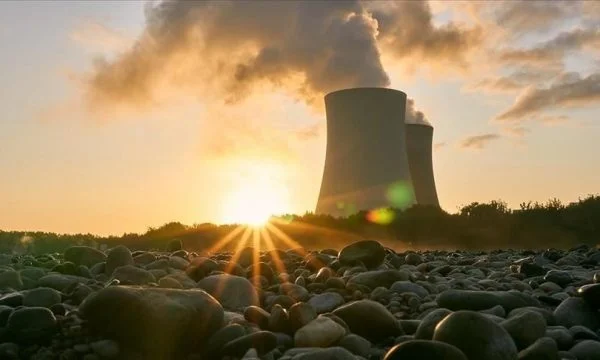 (4 years ago)
Fevering temperatures during these days has significantly increased electricity consumption in our country. Currently, average daily consumption has increased to 800 megavats per hour, while in peak hours, which are common in Kosovars consumption, are the early hours of the morning and the early evening hours, electricity spending has risen to 850 [...]
If current figures of electricity spending with those days, or weeks ago, are met in Kosovo when relatively warm temperatures have reigned for this season, and when the average electricity consumption was driven to 600 megawatts, it is that today Kosovars have spent about 200 megawats more hours than two to three weeks ago.
And this increased amount of energy spending on domestic consumption is happening, in days when in the country, due to the planned several-day remont of the Kosovo B 2 unit, electricity is lacking as long as this power plant unit has produced.
As the Economic Bulletin has informed, by Tuesday (November 8th), Kosovo B's TW bloc has interrupted electricity production for several days because KEK engineers have planned a several-day renegotiation (in KEK claims that the remont will last a total of 8 days). This remont, in the words of experts and engineers at KEK, would be a kind of revision-investigation of all the stabilisations of this pre-circular power plant, when energy produced at this thermal power plant will be very necessary. The Kosovo Energy Corporation has announced that it is currently producing with capacity of around 500MW/H. And the B1 unit will also supply Termocos with about 45-50 MW/H, said at KEK's announcement.
And with the withdrawal of B2, in production, as of Tuesday so, there are only three units of Kosovo thermal power plants, working B 1лshi, with 260 megawatts per hour and A 3 and 4, both of them together with about 260 megawatts, or sills apart from 130 megawatts.
In all, our thermopacytes are being generated around 520 megavats of electricity and a symbolic amount of electricity from existing renewable energy capacities.
However, this amount of electricity, as mentioned earlier, is not enough for Kosovo's consumption needs. Therefore, the country's lack of electricity in the absence of electricity produced in local stabilisation is currently being imported by the international electricity market. This morning, as Buzhala has announced on the Economic Bulletin, there have been exactly 235 megawatts of electricity imported, while this amount could, even increase, possibly even decrease, depending on the current consumption level in the country. This is the current electromagnetic situation in the country. While winter, it is known, it will dictate other electromagnetic circumstances in Kosovo, when there is expected to be a significant lack of electricity. Will Kosovo have money to import the energy it will lack remains to be seen. /Economic Butletine/
35 minutes ago