CNN: Netanyahu seeks emergency meeting with Trump amid mounting tensions over negotiations with Iran
 13 minutes ago
 (4 years ago)
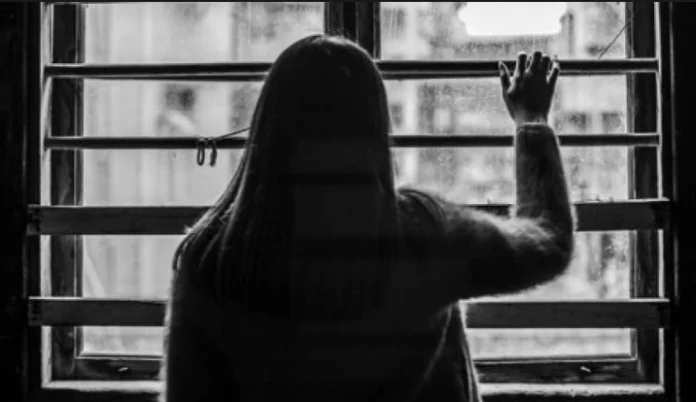
Flora, twenty years after the war in Kosovo, has been persuaded to apply for ensuring the status of the victim of sexual violence of war. However, documents and evidence presented before a government commission have not convinced him of the violence Flora says he experienced in 1999. It says that during the war, in the presence [...]
However, documents and evidence presented before a government commission have not convinced him of the violence Flora says he experienced in 1999.
She says that during the war, in the presence of her mother and sister, she was raped by Serb police forces.
I applied [for the status of the sexual violence victim] in 2019. My decision has returned negative. After a year I came and filed a complaint, I was returned negative. I went and physically appeared [before the commission]. There have been three women and one man and I've told of the experiences of violence I've had”, Flora says about the REL.
The status of the victim of sexual violence in war would provide her with a pension of 230 euros a month and some other benefits, such as free health services and employment priorities.
Under the law in Kosovo, which was adopted in 2014, such status belongs to each person, who manages to convince a government commission that he was a victim of sexual violence during the war in Kosovo, in February 27, 1998, June 20, 1999.
This commission officially began work in February 2018. Since then, the status of the victim of the sex violence of war has managed to reach over 1,000 people from around 20,000, the number of sexually violated persons in Kosovo is estimated to be.
Victims of sexual violence apply for recognition of their status through several selected organisations by the Kosovo government.
For the application, the victim must complete a form of information and detail for the country and the period when rape occurred, with statements by witnesses and with eventual medical reports. If the commission does not comply, the victim must physically appear before him.
Flora has physically appeared before the commission and has been rejected. According to her, commission members have told her the testimony is incorrect.
When I was raped, my sister was a little girl. That's why I'm told you can't bring her in as a witness. My mother died and I had no other witness”, Flora relates.
I, everything I've been asked, have returned. Maybe I forgot something. I've been talking about this job for five years, telling it everywhere. I may not have answered, but where they know that what happened to me, it's not true”, she says.
Flora, later, has addressed the Constitutional Court in Pristina, where her case continues to be under way.
She says she is going through emotional distress because she has to keep talking about the terrible experiences of the past.
Do you know how difficult it is? I'm always afraid the kids ask me where you're going, who you're going with, what you're going for... My husband knows [about violence], but not someone else”, Flora says.
Linda Sada, director of the Medica Gjakova organisation, through which many have applied for the status of the victim of sexual violence, says that random refusals, but also long expectations for their review cause victims to give up the application for the status it would meet.
“From Medica Gjakova have gone to the commission to apply over 350 cases, of which so far, positive answers have received 259 cases. Four cases have been rejected, two of which are under review”, Sada says of the REL.
In the organisation it heads, Sada says they are dealing with cases of over 600 women who have experienced sexual violence during the war and have not yet applied for the victim's status.
“These additional documents, which are being requested and which initially are not required, pose difficulties and challenges for victims. It is a problem to obtain or even preserve a doctor's document from the victim who has been checked after rape”, Sada says.
The director of the Centre for Promoting Women's Rights in Kosovo, Cadire Tahiraj, says the expectations of victims “by 17 months” for considering their case.
The situation, according to her, also difficult the physical appearance of the commission, as victims fear stigmatism.
The Commission often requires evidence. Women say that during the war, when they left their homes, they were in columns, and a large number of the [family and neighbor] circle have seen them separate from the columns and put them in different homes. Over twenty years have passed, and these women, for so many years, have refused to talk to their relatives about this crime. And from these women [now] it requires evidence: who has seen you separate from the column, have you told anyone?
It calls for women raped during the war to be treated more dignified by the state and the commission itself in question.
The “they [victims] have chosen silence and when this category is silent, others have room not to treat them dignified”, Tahiraj says.
The chairman of the government commission, Minire Begaj-Balaj, says he is doing the job seriously, professionally and with maximum commitment, and that it is not a delay or an outright refusal.
The commission does not conclude with the decidatory conclusion that the person who applied is a victim of sexual violence, since such a conclusion to this process is impossible. Also, in some cases that have not gained the status of the victim of sexual violence during the war, it is about lack of jurisdiction, presenting applications with claims of over-term rape defined with legislation in effect, cases when applicants have failed to provide basic elements for the alleged traumatic event”, Begaj-Baj says.
Commission leaders say they use all available means and tools to ensure and ensure a fair process.
According to them, the commission has established official communication with relevant institutions, such as: Kosovo Police and Kosovo Special Prosecution also co-operate with health institutions both at home and abroad, with the goal of collecting information in favour of the applicant.
According to official data, 1,618 people have applied for the status of the victim of sexual violence during the war, since the government commission started working more than three years ago.
Such status has been confirmed to 1,048 persons; 224 applications have been rejected, and 304 cases are expected to be considered.
In July 2021, the Constitutional Court in Pristina has pronounced the first sentence for committing sexual violence during the war in Kosovo.
Former Serbian police officer Zoran Vukotic has been sentenced to ten years in prison.
41 minutes ago