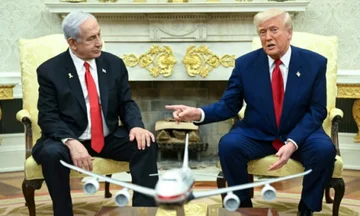
CNN: Netanyahu seeks emergency meeting with Trump amid mounting tensions over negotiations with Iran
 23 minutes ago
 (5 years ago)
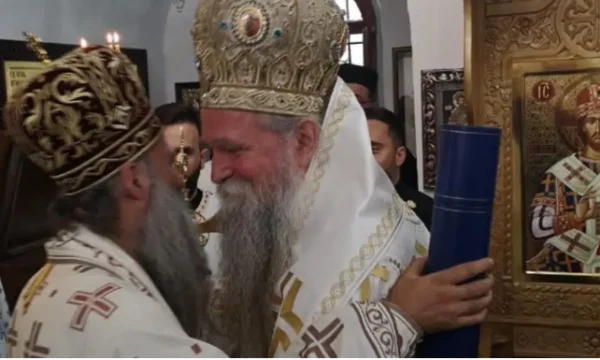
Ionikije's appointment, at the head of the Montenegrin Orthodox Church in Cetina last Sunday, revived Serbian influence in the Balkans. Mitrovici took office despite violent protests in the historic city of Montenegro and Podgorica. And events like this Sunday Serbian Orthodox Church has been causing from creation to [...]
Ionikije's appointment, at the head of the Montenegrin Orthodox Church in Cetina last Sunday, revived Serbian influence in the Balkans. Mitrovici took office despite violent protests in the historic city of Montenegro and Podgorica.
And events like this Sunday's Serbian Orthodox Church has been causing in the Middle Ages, until according to historians, religious battles between Serbs and Montenegrins were further sparked since the Berlin Congress. ”
“With the Berlin Montenegro Congress is independent as a state and wins religious independence, and King Nikola has made efforts to independent the Orthodox Church, but in the former Yugoslavia again Serb power turned their church and their impact” states John Berisha, medieval historian.
The church history doctor shows how the Serbian clergy claim that everything Orthodox is Serb, and for that they have been created since two myths, related to Kosovo as it is to the Kosovo battle and the myth of the Serb exile at the helm with Archbishop Assieren enemies. The peak of influence was seen in the Balkan wars. Historians say the Serbian Orthodox Church has also become initiator of violence.
Over the last war, we have dozens of cases when Serbian Orthodox clergy have concealed weapons, especially in Rahovec and the district. ”
Sunday's events in Montenegro necessarily relate to Kosovo after echoing the bishop's song that the Serbian Army will return to Kosovo. And for such riots not to be repeated in the country, a historian named Yusuf Bujowi sees only one way.
Kosovo must protect the legitimacy of all religious and church temples as part of cultural heritage, only to prevent the hegemonic and klerofashist actions, which are like the only weapon of Kosovo politics. ”
According to Bukkov, Kosovo must review laws related to Orthodox churches so that the same are not based on being recognised as part of Serbia. But the very fact that entering them requires permission, such as Prime Minister Albin Kurti's case, and then refusal, means the same surrender.
The attempt by Serbs to Serbise each Orthodox religious institution stems from the fact that the Orthodox Church is national and not universal as the Catholic.
an hour ago