a few seconds ago
10 percent of women in Pristina remained unemployed because of pandemic
Periskopi(5 years ago)
(5 years ago)In Pristina women were hit by pandemics, leaving 10 percent of them unemployed for six months to 1 year, compared with men who have been 4 percent. The emphasis is placed on job security and health, where large numbers are endangered in workspaces. Initiative [...]
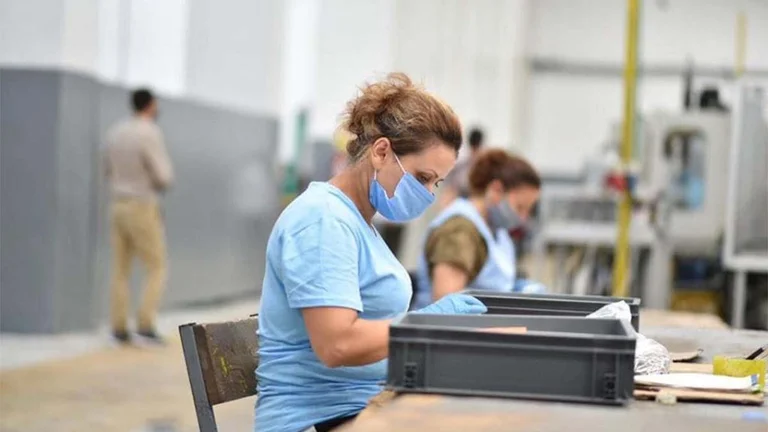
In Pristina women were hit by pandemics, leaving 10 percent of them unemployed for six months to 1 year, compared with men who have been 4 percent. The emphasis is placed on job security and health, where large numbers are endangered in workspaces.
The Kosovar Initiative for Stability has launched today's “citizen perceptions and attitudes in the Pristina region”, where 200 women and men in the Pristina region have been surveyed in order to inform decisionmakers and the government of major social and welfare policies.
Mrika Sefay from IKS said food and household supplies account for between 10 and 80 percent of household costs. While the average family income spent on this category of expenses is 45.5 percent that is significant.
A particularly high number of female respondents have not been employed in the last 6 months to the last 1, claiming that the pandemic has hit them at 43.5 per cent at most. Women looking for jobs are twice as likely to be out of the job market as men”, it has shown.
In addition, more than most women and young people prefer to be employed abroad.
<x)
IKS Director Brikene Hoxha stressed that they are committed to women's rights, and that they are working to provide empirical information to public policies.
E, UNOPS project manager Visar Gorani said that even though Kosovo has good laws, there is a deadlock in its implementation.
Nobody knows how an employer handles accidents at work. There have been times when the whole family is caught up in unemployment. It's important that our focus, working health and job safety, should have good regulations, their policies where they would enable dignified work of all”, she said.
From the Union of Independent Unions of Kosovo, Avni Aydin said safety and health at work is very sluggish.
“The workers' minimum wage of 2011 has not moved at all 170 euros. Even though there were promises there was no movement. We have a lot to discuss, but we have to work a lot more”, he stressed.
The poll and this report are part of the “Support for the Social Justice Coalition”, which is within the framework of the UNOPS project “Direct work worthy of strengthening SSHP management and social dialogue in Kosovo”.