14 minutes ago
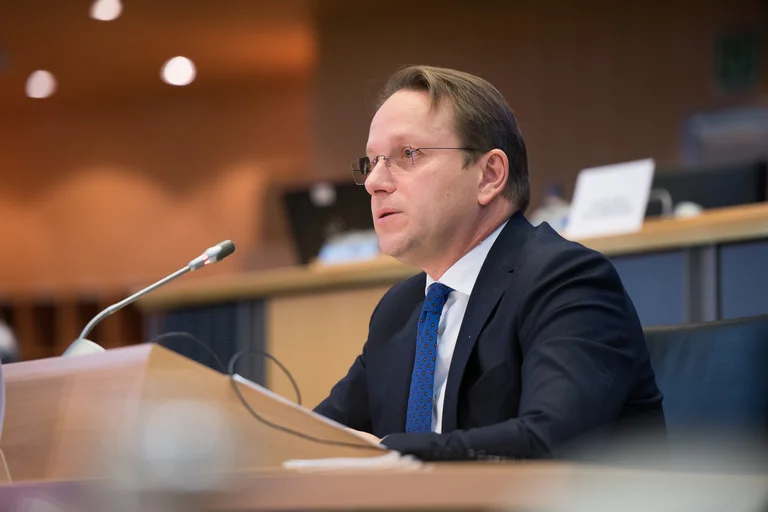
Varhely wishes Kurti: Dialogue with Belgrade remains key issue for Kosovo
Periskopi(5 years ago)
(5 years ago)European Union Enlargement Commissioner Oliver Varhely has congratulated the formation of Kosovo's new institutions, recalling that dialogue with Belgrade and normalisation of reports are key issues. “expects me to work with you to advance reforms on the European road and continue the fight against COVID-19” wrote on [...]
“expects me to work with you to advance reforms on the European road and continue the fight against COVID-19” wrote on the social Twitter network, Varhely.
The EU expects Kosovo's new government to continue the reform process, especially in the justice system and the fight against corruption. He also expects efforts to slow down the spread of the COVID-19 virus to continue.
In this direction in the EU several times have said they are willing to help Kosovo, but this assistance, so far, has not included giving away an amount of vaccines, as the EU had promised.
EU headquarters in Brussels say “The EU continues to be in constant contact with authorities in Kosovo” and cites material and financial assistance that they have so far provided for confronting the pandemic.
As for dialogue with Serbia, in the EU they expect it to continue as soon as possible, now after the new government has been formed in order to reach a comprehensive agreement on normalising reports between Kosovo and Serbia.
Monday (March 22nd) The Kosovo Assembly has elected the new government led by the leader of Movement “vendosje”, Albin Kurti. Proposal of the new government cabinet voted 67 deputies, while 30 opposed.
During his presentation to MPs, Kurti said the “path towards EU integration may be challenging, but it has no alternative for Kosovo”.
The early parliamentary elections on February 14th were held following the Constitutional Court's act on December 21st, 2020, under which the Kosovo Government, then led by Avdullah Hoti, had been elected unconstitutionally, as Etem Arifi voted for him.
By the time he voted, Arifi has had a definite one-year, three-month sentence on criminal acts: subsidies fraud.